

Generator and transformer breakdown
High-value generators, step-up transformers, and switchyard equipment can fail from electrical faults, wear, or lightning, causing generation outages.
Try a different word, or check the spelling.
Keeping your power-supply commitment during a unit outage may mean buying replacement electricity. That cost is not the same as your lost generating margin or the bill to repair the unit.
The Southern Agency can help you compare equipment, interconnection responsibilities and supply promises with the insurance already in place.
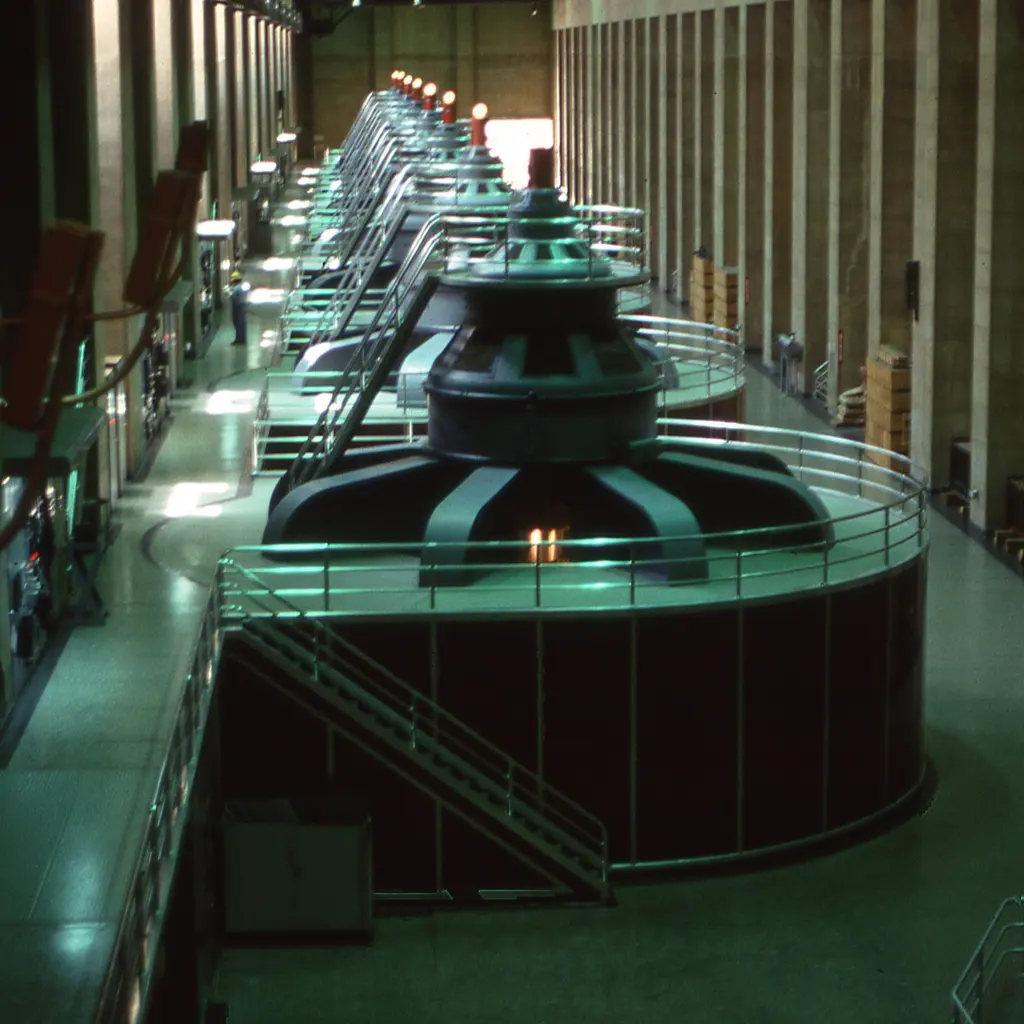
You generate electricity using turbines, engines, or solar arrays and manage grid synchronization and plant maintenance. A machinery failure or unauthorized system access can stop production and create costly service obligations.
The Southern Agency can review your generating equipment, ownership boundaries and supply commitments to help identify insurance questions. We can compare unit repair, actual lost earnings and any replacement-power exposure without treating them as one outage payment.
High-value generators, step-up transformers, and switchyard equipment can fail from electrical faults, wear, or lightning, causing generation outages.
Synchronization and fault events at the point of interconnection can damage plant equipment and disrupt delivery to the grid.
Loss of a generating unit can stop output and reduce earnings. A power-purchase or supply obligation can also create replacement-power costs, which are different from the plant's own lost margin.
Operators and maintenance crews working near energized equipment face arc-flash and electrical contact hazards.
Unauthorized access to operational technology or control systems can disrupt monitoring or generation. The systems and functions affected determine whether the event involves data response, an outage, or additional physical consequences.
Scheduled maintenance outages bring contractors on site, adding liability and coordination exposure across the facility.
Policies to ask about. Which ones fit depends on your operations, your contracts, and the carrier’s forms.
These hypothetical examples are not agency claim results. Whether a loss is covered depends on the facts, policy terms, and applicable exclusions.
A step-up transformer fails and the plant cannot deliver power to the grid for weeks, leaving repair costs and interrupted power sales. Breakdown may pay covered repairs if the cause meets its insured-failure terms; wear alone is not that trigger. Applicable income protection may pay actual covered earnings loss and continuing expenses during the insured restoration period. Replacement-power purchases and delivery penalties are separate costs, not automatic additions to that payment.
A lightning strike damages switchyard equipment and protective relays, creating repair or replacement costs. Property may pay covered lightning damage to the insured assets, subject to ownership, location, valuation, and deductible terms. If the damage interrupts generation, applicable income terms may pay covered earnings loss during restoration. The electrical nature of the incident does not by itself establish a covered machinery breakdown.
An intrusion into plant control systems disrupts operations, creating investigation and recovery costs and possible earnings loss. Cyber may pay covered response and system restoration, with interruption payment dependent on its own trigger, waiting, and restoration terms. An operational disruption does not by itself show that machinery was damaged, someone was injured, or a buyer's contract claim is insured.
Start with the work you do and the questions your current policies leave unanswered. Carrier options depend on your location, risk, and underwriting. Explore our approach.
Property may pay insured physical damage; breakdown may pay qualifying machinery failure. GL concerns covered third-party claims, workers compensation concerns eligible employee benefits, cyber may pay covered response and interruption costs, and excess may add liability limits. Actual generating technology, equipment, ownership, workforce, and agreements determine the interests to assess. A photovoltaic array does not have the same generator train as a turbine plant, and a repair limit does not establish earnings or replacement-power protection.
A failed generator, step-up transformer or switchyard component can leave a repair bill and prevent delivery while parts are sourced and equipment recommissioned. Breakdown may pay covered repairs after an insured failure; a sudden stop does not make wear or maintenance covered. Spares, transport and installation affect restoration. Expediting costs, lost earnings and replacement-power purchases must be addressed under the actual terms rather than assumed part of every machinery claim.
A fault can damage plant or connecting equipment and interrupt delivery. Property or breakdown may pay covered damage depending on the actual asset and cause. Identify who owns and operates each transformer, relay, and line at the connection, and the duties in the interconnection agreement. Another party's damaged equipment, an offsite interruption and a contractual delivery demand are different interests; one plant schedule does not establish protection for all of them.
Assess the actual monitoring, control and protection functions, vendors, and recovery dependencies. Cyber may pay covered investigation, restoration, and interruption after an insured incident, with separate terms for third-party claims. Identify the affected systems, trigger, waiting time, and reporting conditions. That assessment does not establish current availability or protection for every damaged generator, injury, purchased-power cost, or missed-delivery claim.
Applicable business-income or machinery-interruption terms may pay actual covered earnings loss and continuing expenses after the insured trigger, subject to valuation, waiting, and restoration terms. Repair payment alone does not establish that income payment. Replacement-power purchases, price-driven lost margin and delivery penalties need their own treatment under the actual policy and power agreement; they are not automatic additions. Any separately proposed outage protection that uses a price index or does not require physical damage has its own trigger and settlement formula. It is not proof of payment for every lost sale.
Obligations depend on the jurisdiction and employment arrangement. Workers compensation may pay statutory medical, rehabilitation and wage benefits for covered operators or maintenance employees injured through work, including arc flash and electrical contact. Identify actual employers, duties and work locations. A turnaround contractor's worker is not automatically the plant's covered employee because the injury occurs on site, and GL is not a substitute for statutory employee benefits.
Bring your questions, current policies, and relevant contracts. An agent can review coverage terms, exclusions, and the information carriers ask for, then explain the options available to you.