

Well blowout and casing failure
Production and injection wells can experience blowouts, casing failures, or loss of integrity, creating safety hazards and costly remediation.
Try a different word, or check the spelling.
The fluid reaching your turbine depends on whether you run a direct-steam or binary system. Property, breakdown and brine-release protection need to follow the plant you actually operate.
The Southern Agency can help you review coverage for your geothermal plant, well-field assets and operational safety.
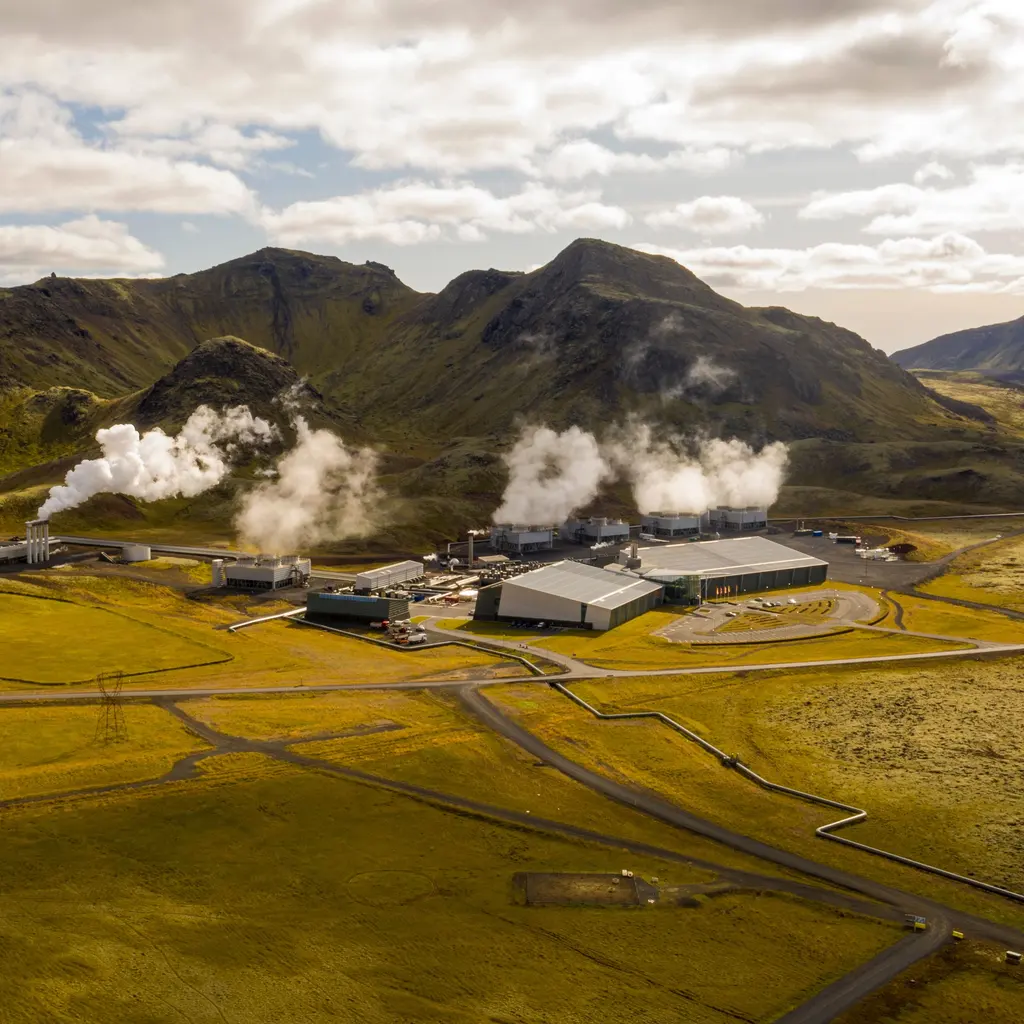
You generate electricity using geothermal heat, with equipment that depends on your steam or binary-cycle design. Fluid chemistry, heat and pressure can affect equipment and worker safety, while damage to a critical well or generating unit can interrupt power sales.
The Southern Agency can review your plant's power-generation equipment and well-field infrastructure to help select insurance that addresses turbine repairs, brine releases, and employee exposure.
Production and injection wells can experience blowouts, casing failures, or loss of integrity, creating safety hazards and costly remediation.
Fluid chemistry and equipment contact determine corrosion and mineral-deposit exposure in wells, pipes, and heat exchangers. Turbine exposure differs between direct geothermal steam and a binary unit's separate working fluid. Deterioration can reduce performance or damage equipment without establishing an insured breakdown.
Dissolved gases such as hydrogen sulfide create worker safety, air-quality, and community exposure that must be actively managed.
A leak or loss of containment in brine handling or injection can affect soil or groundwater. Injection-related seismicity is a separate, site-specific question; a brine leak does not itself establish an induced earthquake.
Failure of a turbine, pump or heat exchanger can idle generation and leave repair costs. Identify the affected unit, fluid path, and failure findings; scaling, erosion, and mechanical stress need their actual cause and damage assessment.
At remote sites, limited road access and longer emergency-response or equipment-delivery times can prolong injury response and restoration. Ground-movement exposure depends on the actual geology and project, not just the geothermal label.
Policies to ask about. Which ones fit depends on your operations, your contracts, and the carrier’s forms.
These hypothetical examples are not agency claim results. Whether a loss is covered depends on the facts, policy terms, and applicable exclusions.
Scaling and erosion lead to turbine failure at a direct-steam plant, interrupting power sales. Breakdown may address an insured failure, but an abrupt stop does not turn excluded deterioration or routine descaling into covered repair. Resulting insured damage and income need their own trigger and restoration terms.
A reinjection line leaks brine into surrounding soil. Environmental terms may address covered investigation, remediation and third-party claims for included substances, wells and locations, subject to earlier-condition, notice and emergency-cost terms. Ground contact does not prove groundwater contamination; line repairs, upgrades and permit duties remain separate costs.
A gas release during well maintenance leaves workers needing treatment. Workers compensation can provide eligible medical and wage benefits under the employment and jurisdiction rules; outside crews are not automatically the plant's insured workers. A separate liability claim needs its own injury, parties and pollution or employee-injury terms, not just evidence of exposure.
Start with the work you do and the questions your current policies leave unanswered. Carrier options depend on your location, risk, and underwriting. Explore our approach.
Start with your generating design, fluid chemistry, well and equipment ownership, workforce and mobile plant. Property, breakdown, pollution, liability and worker benefits address different losses. Ask separately about downhole equipment, well control, seismicity and resource performance; a surface-plant policy heading does not establish those grants or their availability.
Trace the fluid path: a binary unit keeps reservoir fluid out of its turbine. Breakdown may address insured failure, but a sudden stoppage does not make gradual corrosion or routine descaling covered. Review the worn part and resulting damage under exclusions and exceptions; reduced output alone does not establish an income trigger.
Environmental terms may address covered response, remediation and third-party pollution claims for accepted substances, operations and locations. Review earlier conditions, discovery, reporting and emergency costs. Employee benefits, equipment repair, upgrades, financial assurance and seismicity are separate questions. A permit proves neither coverage nor availability, and a brine leak does not prove groundwater damage or an earthquake.
Identify the owner, operator, well role and work in progress. Ask specifically about control costs, casing, downhole equipment, redrilling, pollution and earnings under geothermal-specific terms and an eligibility decision. Neither a powerhouse listing nor a scheduled rig establishes those grants, and lost integrity is different from declining resource performance.
Income terms may address covered earnings loss and continuing expenses after an insured well or plant loss, within waiting and restoration periods. Gradual resource decline, planned servicing or lower flow alone does not establish a physical-damage trigger. Replacement-power purchases and promised delivery payments are separate from your lost sales.
Employment and work jurisdiction determine obligations, not remoteness. Workers compensation can provide eligible medical, rehabilitation and wage benefits for plant or well-field injuries. Identify drilling and servicing employers; their workers are not automatically on the plant's policy. GL is not a substitute, and an emergency-access plan does not establish coverage.
Bring your questions, current policies, and relevant contracts. An agent can review coverage terms, exclusions, and the information carriers ask for, then explain the options available to you.