

Crowded seating
Dark steps, tight aisles and spilled drinks create fall hazards as guests and staff move during a set.
Try a different word, or check the spelling.
A comic may name an identifiable person during a set at your club. Any protection for resulting defamation allegations needs to be checked separately from premises and bar liability.
Talk with The Southern Agency about your operation, policy terms, and the information carriers need.
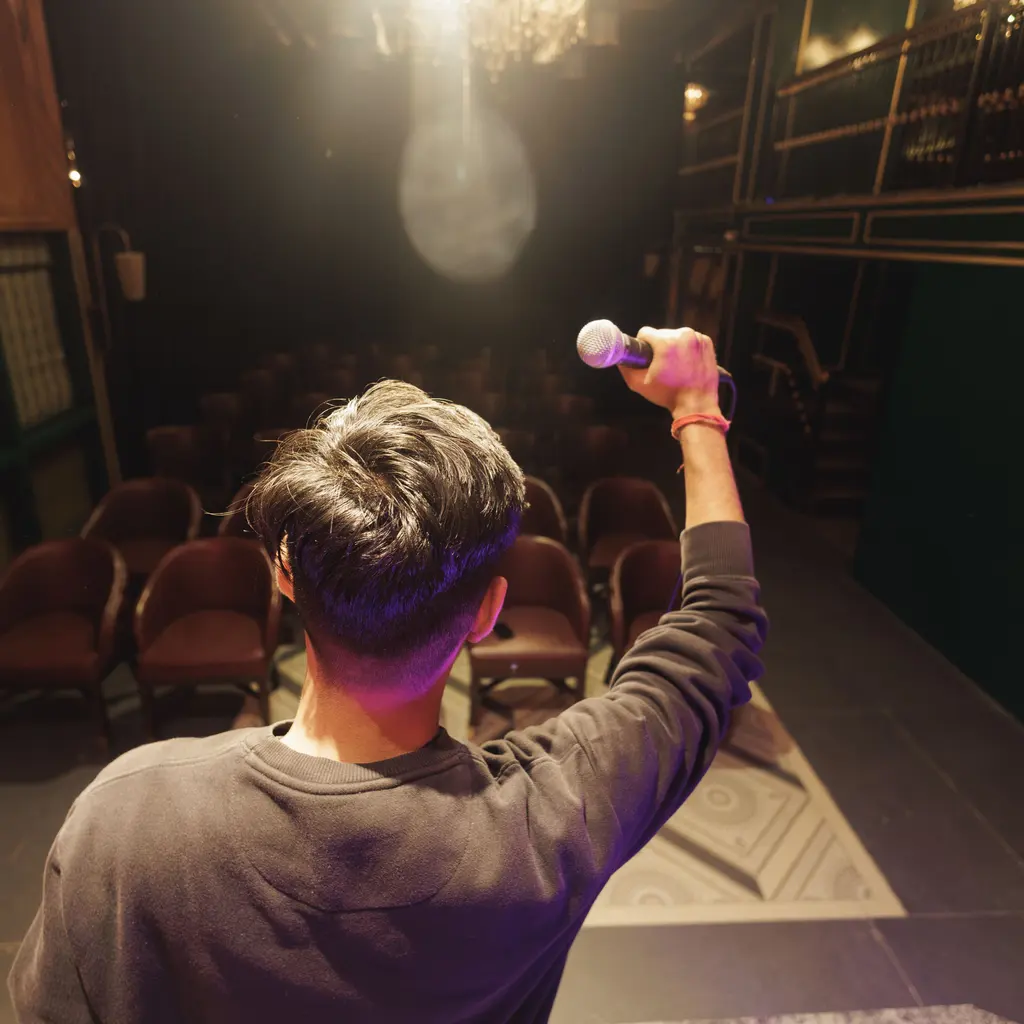
You host shows in intimate rooms where performers rotate onto the stage and servers move through aisles. A guest may trip near a table, or an incident at the bar can lead to a liability claim.
The Southern Agency can review your floor layout, performer agreements and bar service to help you select insurance for your club. We can clarify how premises liability differs from liquor liability and how performer material may present unique legal questions.
Dark steps, tight aisles and spilled drinks create fall hazards as guests and staff move during a set.
Alcohol service and disputes between patrons can lead to liquor or assault allegations.
A routine naming an identifiable person can prompt a defamation allegation against a performer or venue.
Fire, water or theft can damage a stage, sound system and tenant improvements, interrupting booked shows.
Servers, cooks and door staff can be injured while handling food or addressing a disturbance.
Policies to ask about. Which ones fit depends on your operations, your contracts, and the carrier’s forms.
These hypothetical examples are not agency claim results. Whether a loss is covered depends on the facts, policy terms, and applicable exclusions.
A guest leaves after bar service and later injures someone. The injured person alleges the club improperly served the guest. Liquor liability may address covered defense and damages, but the service, alleged responsibility and exclusions matter; the incident alone does not establish liability.
A visitor trips on a dim step between tables and seeks payment for an injury. General liability may address covered defense and damages. Review the lighting, seating layout and actual allegation rather than assuming every reported fall results in payment.
A person alleges a comic's on-stage remarks harmed their reputation and names the club. Review whether the club has an insured personal-injury offense or suitable media terms, including performer and content exclusions. A performer indemnity is not itself defense coverage for the venue.
Start with the work you do and the questions your current policies leave unanswered. Carrier options depend on your location, risk, and underwriting. Explore our approach.
A club operating a bar can face a claim tied to serving an intoxicated patron. Compare liquor terms with actual service and security arrangements.
Remarks identifying someone may lead to a personal-injury allegation. Whether the club is insured depends on the offense definition, who is insured, and exclusions.
Review how your bar and door staff handle disturbances, then check assault-and-battery and security terms. A claim alleging negligent security can still face an assault exclusion. General premises liability or an umbrella limit alone does not establish the needed protection.
Business income may follow insured physical damage that closes the club; a canceled act or poor ticket sales alone are different losses.
Property cover can address insured damage to owned house sound and lights. Hired gear and mechanical failure need separate review.
A BOP may fit an eligible room, but bar and performance exposures require their own examination.
Bring your questions, current policies, and relevant contracts. An agent can review coverage terms, exclusions, and the information carriers ask for, then explain the options available to you.