

Audience access
Dark aisles, balconies, and crowded lobbies can lead to injuries.
Try a different word, or check the spelling.
Your cast and backstage crew may include employees, contractors, and volunteers in the same production. Their injury arrangements need consideration separately from patron liability and protection for sets and costumes at rented venues.
Talk with The Southern Agency about your operation, policy terms, and the information carriers need.
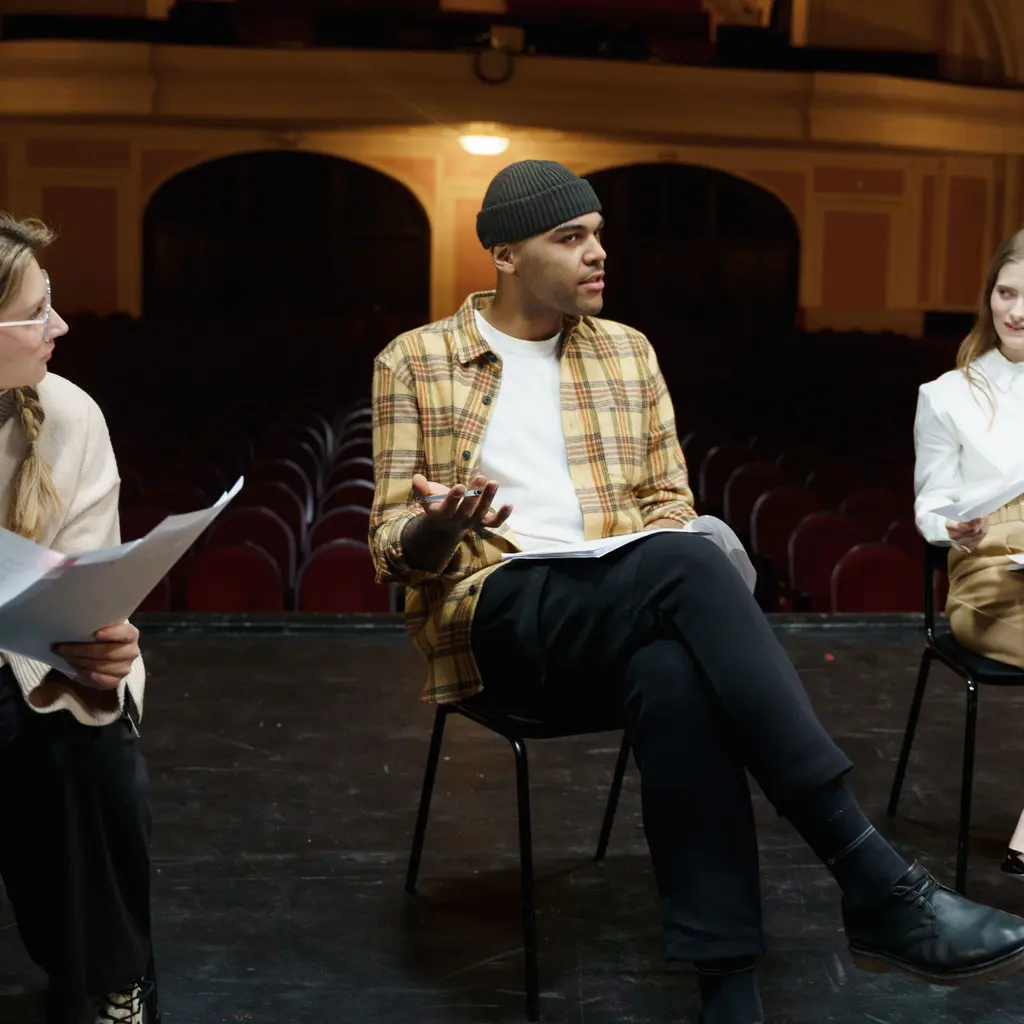
You manage productions through rehearsal and performance, often using rented stages or touring equipment. Hazards include falling sets for crew or patron falls in auditoriums.
The Southern Agency can review your property interests, from owned props to rented venues, to help you select appropriate insurance. For example, we can help differentiate between coverage for volunteers and employees injured on the job.
Dark aisles, balconies, and crowded lobbies can lead to injuries.
Sets, fly systems, and scene changes create lifting and falling-object hazards.
Paid actors, contractors, and volunteers may need different injury arrangements.
Costumes, props, and lighting leave the company's usual storage.
Property loss can halt a run, while other cancellations have separate causes.
Policies to ask about. Which ones fit depends on your operations, your contracts, and the carrier’s forms.
These hypothetical examples are not agency claim results. Whether a loss is covered depends on the facts, policy terms, and applicable exclusions.
A patron falls in a dark aisle and alleges inadequate lighting. Accepted premises liability may address covered defense and injury damages. Review the theater company's and venue's actual access or lighting duties rather than assuming the rental assigns every claim to the owner.
A set piece falls during a scene change and injures a stagehand. Workers compensation may provide eligible benefits where the worker, employer and injury are included. A volunteer or outside contractor needs their own status and injury review, not an assumption that patron liability pays.
Water at a rented stage damages the company's touring lights. Suitable portable-equipment terms may address included physical loss where the gear, venue and water-damage cause fit. Confirm touring and storage periods and values; the stage owner's property policy is not proof the company's lights are insured.
Start with the work you do and the questions your current policies leave unanswered. Carrier options depend on your location, risk, and underwriting. Explore our approach.
Audience liability, employee injury and property interests need to follow the company's actual venues and assets.
Volunteers are not automatically employees or insured for their own injuries; review their duties and applicable rules.
Portable gear needs insured values and locations, including storage and transport.
Rental-stage requirements vary; inspect the particular agreement before promising insured status.
Income may follow a covered property event, subject to waiting and restoration periods; ordinary cancellation is different.
Backstage worker injuries differ from patron allegations and may use different policies.
Bring your questions, current policies, and relevant contracts. An agent can review coverage terms, exclusions, and the information carriers ask for, then explain the options available to you.