

Weather and cancellations
Wind, lightning, heat or rain can interrupt the schedule and affect visitors before anything is physically damaged.
Try a different word, or check the spelling.
Your ticket buyers may expect refunds if weather stops the festival before anything is damaged. Cancellation protection is a separate discussion from guest liability and insurance on the temporary equipment.
Include setup and dismantling dates, rented gear and each vendor's duties when discussing the event.
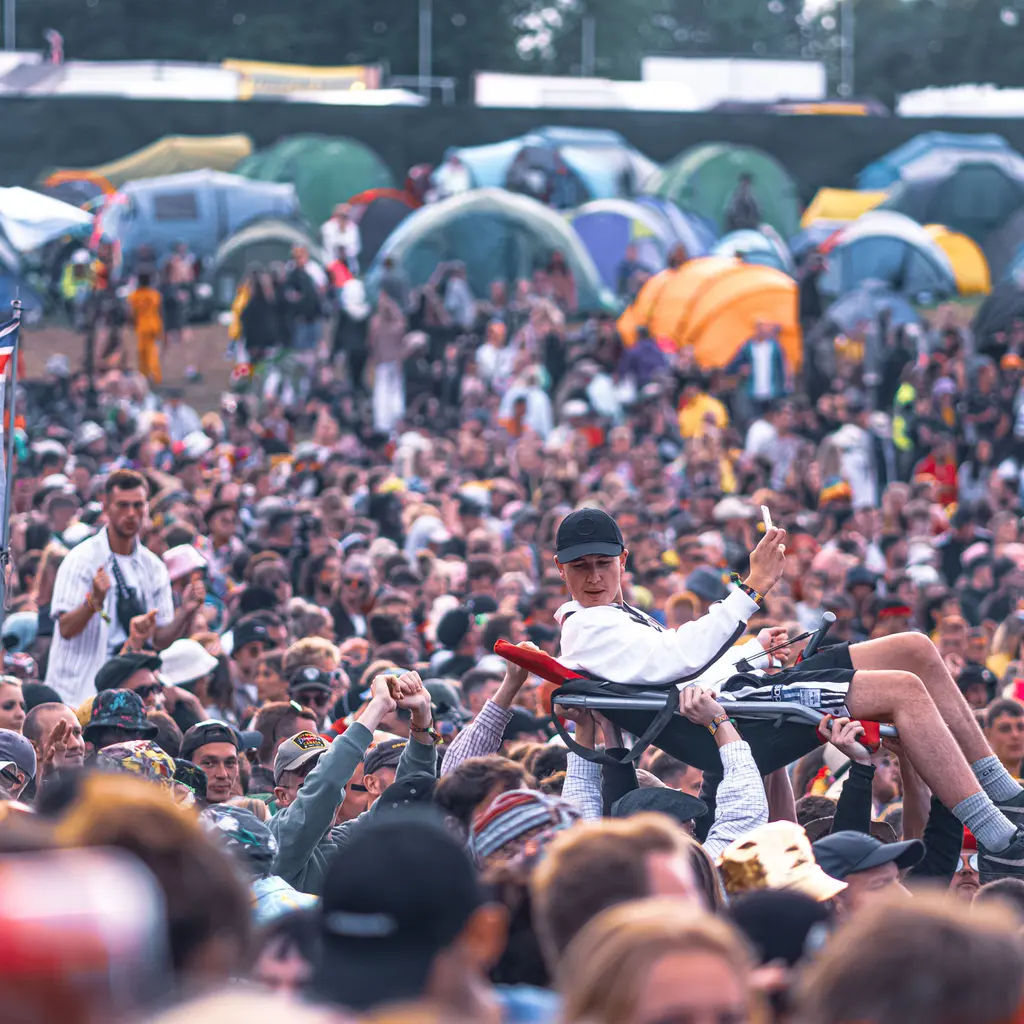
You organize outdoor festivals that deploy stages, tents, and vendors across open grounds, often dealing with volatile weather. A sudden wind shift can destabilize temporary structures, while heat or large crowd movements can create safety challenges.
The Southern Agency can review your site plan, build dates and division of duties with vendors and contractors. We can compare guest liability and temporary-equipment protection with your actual responsibilities, then discuss cancellation terms separately for weather interruptions and refund obligations.
Wind, lightning, heat or rain can interrupt the schedule and affect visitors before anything is physically damaged.
Tents, stages and rigging may be owned, rented or installed by different contractors.
Guests move among stages, parking, and camping areas, where ground conditions and access vary.
Vendors and beer gardens can cause different food and liquor allegations.
Generators, fuel, and sanitation services may create fire or pollution concerns.
Build, security and operations staff face lifting, fall, and confrontation risks.
Policies to ask about. Which ones fit depends on your operations, your contracts, and the carrier’s forms.
These hypothetical examples are not agency claim results. Whether a loss is covered depends on the facts, policy terms, and applicable exclusions.
Suppose a gust collapses a vendor tent and injures nearby guests. Liability review concerns who erected and secured it and what duties the organizer retained. Repairing the tent is a separate owned or rented property interest, subject to the relevant wind, installation and location terms.
Suppose lightning leads you to end the day early without damage to the stage. Separately purchased cancellation terms determine whether that weather event, partial curtailment and claimed refunds or committed expenses qualify. Guest liability and insurance on the stage do not themselves reimburse the day's lost receipts.
Suppose a guest becomes seriously ill in the heat and alleges inadequate access to water or assistance. Review the organizer's actual duties, contracted medical or site services and the liability terms. Heat illness is not by itself proof of negligence, nor does that claim establish a cancellation loss for the event.
Start with the work you do and the questions your current policies leave unanswered. Carrier options depend on your location, risk, and underwriting. Explore our approach.
A separate event-cancellation policy may address certain weather closures. The weather trigger, time, and refund terms determine whether this particular event qualifies.
Temporary stages, tents and rigging need to be listed under the relevant property form and interests; rental contracts alone do not insure them.
Vendor insurance can address a vendor's own acts, while an organizer may still be named. Check contracts and endorsements.
Liquor liability depends on who serves alcohol and how service is arranged.
Peak attendance and site layout affect liability needs; no universal limit can be inferred from a festival label.
Generators and fuel can create pollution allegations; the materials, sites, and operator duties determine what environmental cover to consider.
Bring your questions, current policies, and relevant contracts. An agent can review coverage terms, exclusions, and the information carriers ask for, then explain the options available to you.