

Trails and water features
Paths, bridges and ponds expose visitors to falls across grounds that are difficult to watch from one place.
Try a different word, or check the spelling.
Your greenhouse can contain living specimens whose value is not captured by the structure or heater. Plant protection needs explicit consideration alongside machinery repairs and liability to people visiting the garden.
The Southern Agency can help you compare living-collection interests, greenhouse dependencies and the visitor or event duties you retain.
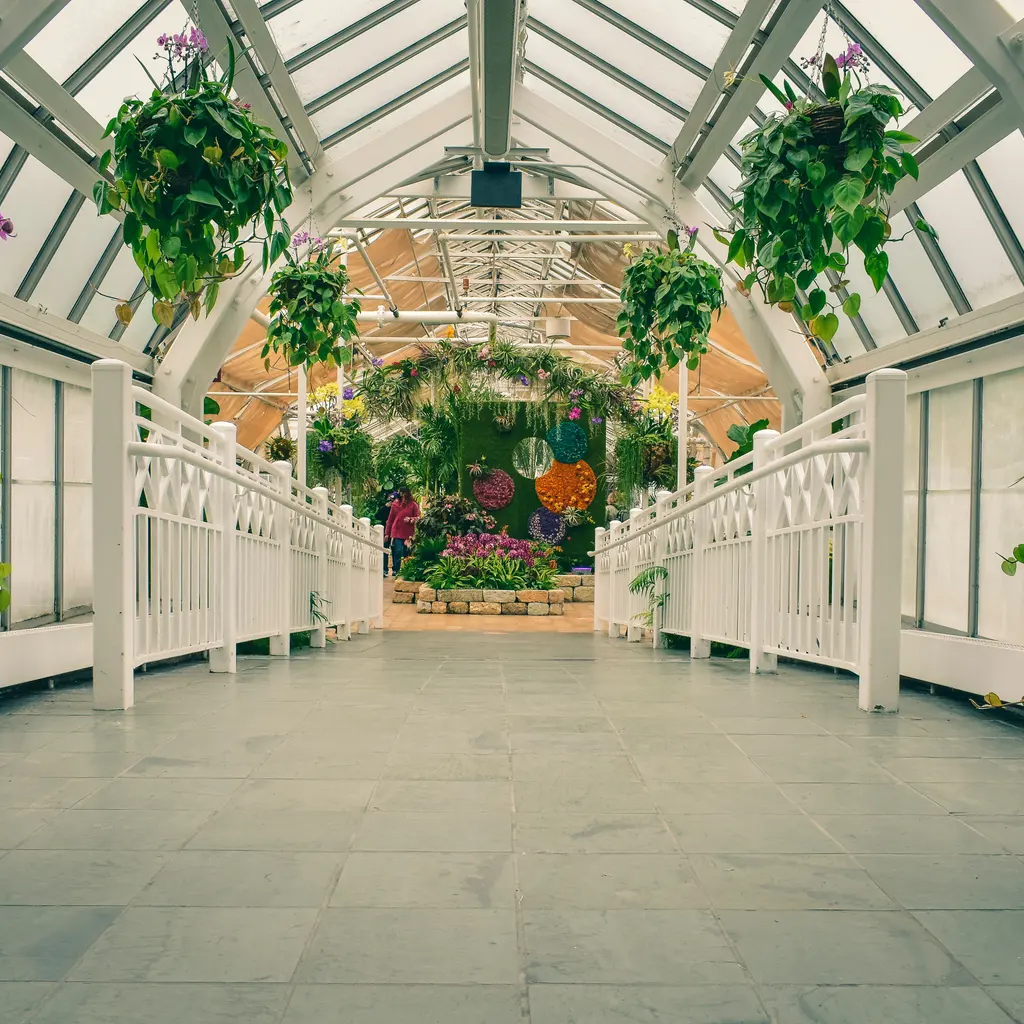
You tend living collections and welcome guests along paths, through conservatories, and at special events. A visitor could slip on an uneven walkway, or a greenhouse heater may fail and threaten your plants before staff can address the climate.
The Southern Agency can review how you maintain your grounds and facilities to help you select appropriate insurance. For example, we can assist with liability for visitor injuries.
Paths, bridges and ponds expose visitors to falls across grounds that are difficult to watch from one place.
A heating, ventilation or irrigation failure can damage plants as well as machinery.
Disease, frost or a lost specimen may be difficult to value; standard building terms may not address the plant itself.
Applying or storing pesticides and fertilizers can create claims about drift or contamination beyond the garden.
Weddings, plant sales, volunteers and horticultural staff introduce distinct public, employment, and injury interests.
Policies to ask about. Which ones fit depends on your operations, your contracts, and the carrier’s forms.
These hypothetical examples are not agency claim results. Whether a loss is covered depends on the facts, policy terms, and applicable exclusions.
Hypothetical: a visitor trips on a damp step near a pond and alleges unsafe access. Premises liability may address covered defense and damages under actual garden and path duties. Preserve inspection and incident records; dampness or the garden's ownership alone does not establish fault or every injury benefit.
Hypothetical: a neighbor alleges plant damage after pesticide application. Environmental terms may address a covered allegation under actual product, applicator, drift and reporting provisions. Identify who performed and controlled the work; routine application cost, correcting gardens and every compliance charge are not one insured loss.
Hypothetical: a heater fails during a cold night and specimen plants die. Breakdown may address a qualifying machinery failure, but plant loss needs accepted living-collection interests, cause and valuation. Compare propagation history and replacement possibilities; heater insurance does not establish collection value or cover for all frost losses.
Start with the work you do and the questions your current policies leave unanswered. Carrier options depend on your location, risk, and underwriting. Explore our approach.
Chemical use creates a possible pollution allegation. Coverage depends on the policy's definition of pollutants and the work performed.
Liability may respond to an injury on the grounds, subject to the actual facts and policy terms.
Values and insured perils for living plants can differ from those for buildings. Identify species, locations, and a supportable valuation basis.
A concert or wedding may involve vendors, larger crowds, and alcohol; describe what the garden itself provides.
Breakdown terms can address an insured machinery failure. Loss of plants following that failure needs a separate cause-of-loss and valuation check.
A nonprofit board's financial or management decisions can lead to claims distinct from injuries on garden paths; D&O addresses the former where insured.
Bring your questions, current policies, and relevant contracts. An agent can review coverage terms, exclusions, and the information carriers ask for, then explain the options available to you.