

Combustible dust fire or explosion
Grinding and conveying dry ingredients generates combustible dust that can ignite, causing fire or explosion without proper controls.
Try a different word, or check the spelling.
Your formula may be intended for a particular animal species, with consequences beyond the value of the feed itself. Product protection needs to recognize those uses, while withdrawing or replacing a batch remains a separate question.
The Southern Agency can help evaluate your factory's production and distribution risks.
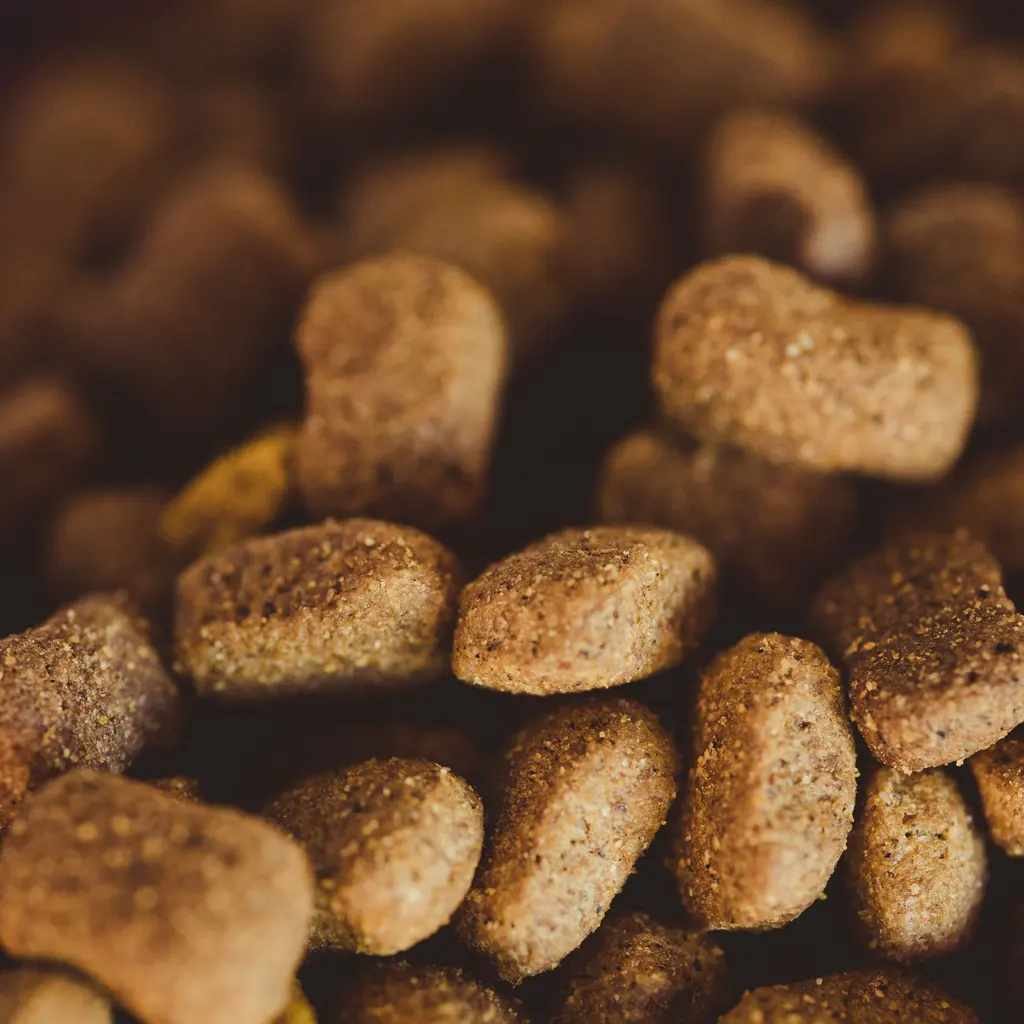
You mill and mix ingredients for animal feed, maintaining production lines and delivering orders to your customers. A dust fire or a contamination event can halt your factory and lead to costly product liability claims.
The Southern Agency can review your milling, mixing, and delivery operations to help select appropriate insurance, such as coverage for equipment breakdown in your facility or product liability for feed-related animal harm.
Grinding and conveying dry ingredients generates combustible dust that can ignite, causing fire or explosion without proper controls.
Mycotoxins, pathogens, foreign material, or formulation errors can harm animals and prompt recalls and customer claims.
Extruders, hammer mills, dryers, and mixers are critical, and a failure can stop a continuous feed line and idle ingredients.
An incorrect formulation or contaminant can cause animal illness, leading to liability claims from farms, retailers, and pet owners.
Machinery, heavy lifting, confined spaces, and airborne dust expose plant employees to injury and respiratory hazards.
Bulk grain and finished feed can be lost to spoilage, moisture, or pest infestation that damages inventory.
Policies to ask about. Which ones fit depends on your operations, your contracts, and the carrier’s forms.
These hypothetical examples are not agency claim results. Whether a loss is covered depends on the facts, policy terms, and applicable exclusions.
A grain ingredient containing mycotoxins is mixed into feed delivered to several farms, where animals fall ill. Product liability may help with covered claims for animal harm. Testing, collecting and destroying the manufacturer's affected feed are separate recall expenses; they are not automatically covered by product liability. Recall coverage must accept the product and event under its own terms.
A sudden mechanical failure in the hammer mill leaves downstream mixing and bagging equipment idle. Equipment breakdown may help with covered repairs. Lost income and alternate-processing costs depend on the business income and extra expense coverage purchased, its limits and any time deductible. A production shortfall by itself is not the coverage trigger.
Dust ignites around grain-conveying equipment and damages the plant and stored feed. Commercial property may help with covered building, machinery, and stock damage. Business income requires its own coverage and covered-loss trigger, with limits and restoration terms; a fire claim does not establish coverage for every missed delivery or contractual penalty.
Start with the work you do and the questions your current policies leave unanswered. Carrier options depend on your location, risk, and underwriting. Explore our approach.
Do not assume so. It may help with covered third-party injury or property-damage claims, but withdrawal, replacement, and disposal expenses can be excluded. Ask separately about recall insurance and whether the form accepts your animal-feed products and the event involved.
No single rule fits every operation. FDA states that a facility producing animal food with a hazard requiring a preventive control must have a recall plan. Facility status and exemptions matter, including some farm-related operations. Confirm your obligations with a qualified food-safety adviser; insurance does not establish compliance.
Dry-ingredient handling and conveying can release combustible dust as well as milling. Review the actual process, dust collection, housekeeping, and ignition controls with qualified safety personnel and the insurer. This page is not an engineering assessment of the plant.
No. There must be a covered breakdown and applicable income coverage. Check the covered equipment, business income and extra expense limits, time deductible, and restoration terms. A supplier delay or an out-of-spec batch is not automatically an equipment-breakdown loss.
Animal food is the broader description and can include pet food as well as livestock feed. Species, formulations, processes, and customers affect the review. A plant producing only dog and cat food may use either description, so the names alone do not establish distinct insurance needs.
Review stored-feed losses by cause: spoilage, pests, and moisture are not automatically covered by property insurance. Workers' compensation is a separate review for covered employee injuries, subject to state requirements and employment classifications.
Bring your questions, current policies, and relevant contracts. An agent can review coverage terms, exclusions, and the information carriers ask for, then explain the options available to you.