

Grain dust explosion
Suspended grain and flour dust in mills, elevators, and dust collectors can ignite, creating explosion, fire, and injury risks.
Try a different word, or check the spelling.
Your mill can receive grain and dispatch flour through different road or rail arrangements. Site liability, delivery-vehicle protection, and stock interests need to reflect those handoffs, with milling machinery considered separately.
The Southern Agency can help you identify milling-specific hazards to choose an appropriate insurance program.
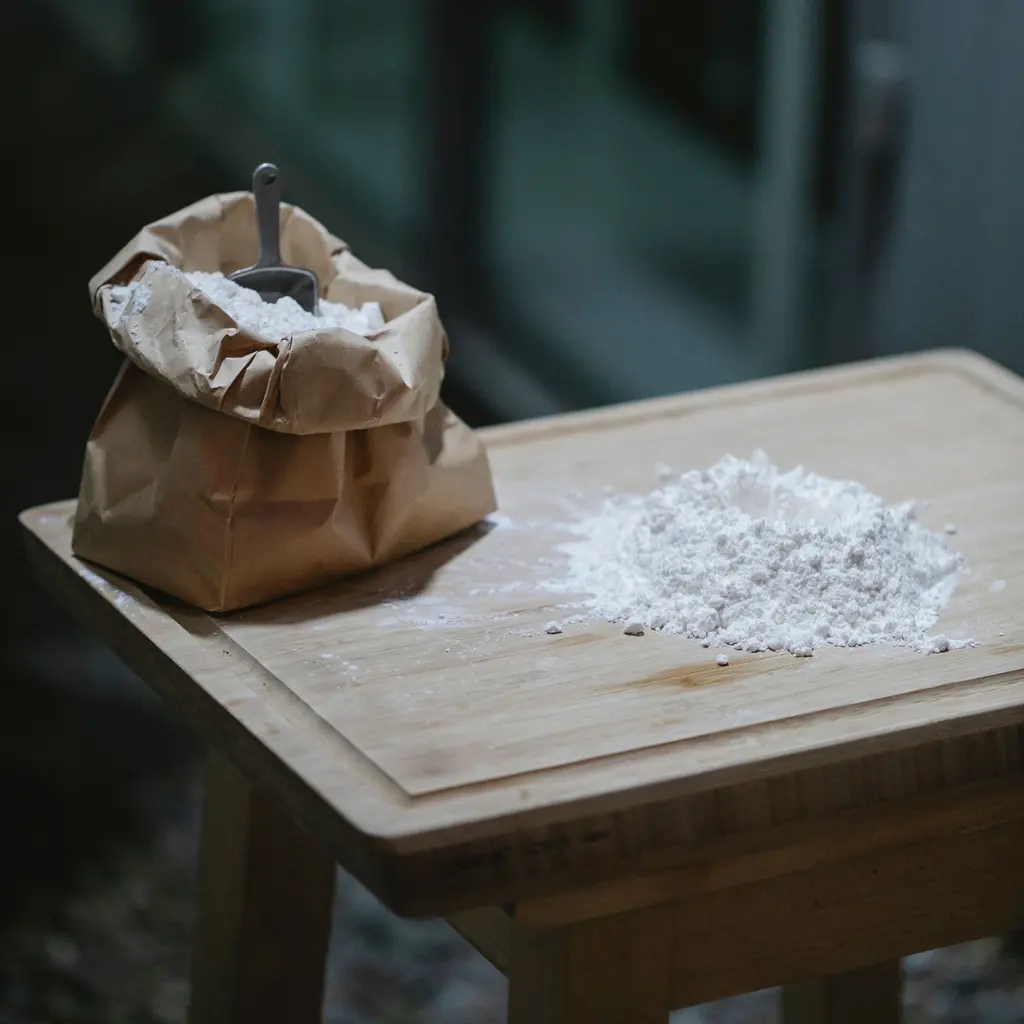
You operate a mill to grind grain into flour, relying on pneumatic systems and heavy sifters. The defining concern is combustible grain dust, which can cause devastating explosions in your storage and processing areas.
The Southern Agency can review your dust-management systems and facility dependencies to help select appropriate insurance, such as property coverage for explosion risk or equipment breakdown for your roller mills.
Suspended grain and flour dust in mills, elevators, and dust collectors can ignite, creating explosion, fire, and injury risks.
Bulk grain faces spontaneous heating, infestation, moisture spoilage, and structural failure that can destroy stored material and disrupt milling.
Continuous roller mills, sifters, and pneumatic systems can fail, stopping production and idling interdependent milling equipment.
Mycotoxins, foreign material, or pathogens in flour can reach bakeries and processors, leading to recalls and product-liability claims.
Heavy inbound grain and outbound flour movement by truck and rail creates loading, vehicle, and on-site logistics risk.
Employees face combustible-dust, confined-space, and machinery exposure typical of a continuously operating mill.
Policies to ask about. Which ones fit depends on your operations, your contracts, and the carrier’s forms.
These hypothetical examples are not agency claim results. Whether a loss is covered depends on the facts, policy terms, and applicable exclusions.
Grain dust ignites in a dust collection system and propagates into milling areas. Property and business income coverage may help with repairs and lost production, depending on policy terms and exclusions. Check covered explosion/fire, protective terms, and purchased income/restoration.
Stored grain self-heats and spoils in a silo, destroying inventory. Property coverage may respond depending on the covered cause, subject to the specific policy and exclusions. Identify actual cause and exclusions for heating, moisture, and deterioration; a destroyed grain value is not proof of an insured peril.
Flour with elevated mycotoxin levels reaches a bakery and is recalled. Product liability coverage may respond to resulting claims, subject to the specific policy, endorsements, and facts. Separate eligible recall expenses from covered injury/property damage; replacing own flour is not automatic.
Start with the work you do and the questions your current policies leave unanswered. Carrier options depend on your location, risk, and underwriting. Explore our approach.
Suspended grain and flour dust can explode and propagate through the plant. Underwriters scrutinize dust control and explosion prevention because they drive property terms and pricing for mills.
Property coverage may respond to covered causes such as fire or structural failure, while spoilage from heating or moisture depends on policy terms. Underwriting reviews storage and monitoring practices.
Yes. Mycotoxins, pathogens, or foreign material reaching bakeries can drive recalls and claims. Product liability may respond, depending on the specific policy, endorsements, and facts.
Equipment breakdown coverage may respond when mills, sifters, motors, or pneumatic systems fail, helping with repair and downtime, depending on policy terms and underwriting.
If the mill operates trucks for grain receipt or flour delivery, business auto may help with vehicle liability and physical damage, subject to policy terms and how vehicles are used.
Check accepted products and underlying liability limits/exclusions. A liability umbrella does not automatically fund a grain recall, silo stock loss, or machinery repair.
Bring your questions, current policies, and relevant contracts. An agent can review coverage terms, exclusions, and the information carriers ask for, then explain the options available to you.