

Pet food contamination and recall
Salmonella, aflatoxin, or nutrient imbalances can sicken animals and trigger recalls. Salmonella-contaminated pet food can also affect people handling it.
Try a different word, or check the spelling.
Your pet food reaches both the animal eating it and the person handling it. Product protection needs to address the accepted recipes and species, while retailer withdrawal demands and factory repairs remain separate concerns.
The Southern Agency can help you match your manufacturing and safety exposures with the right insurance program.
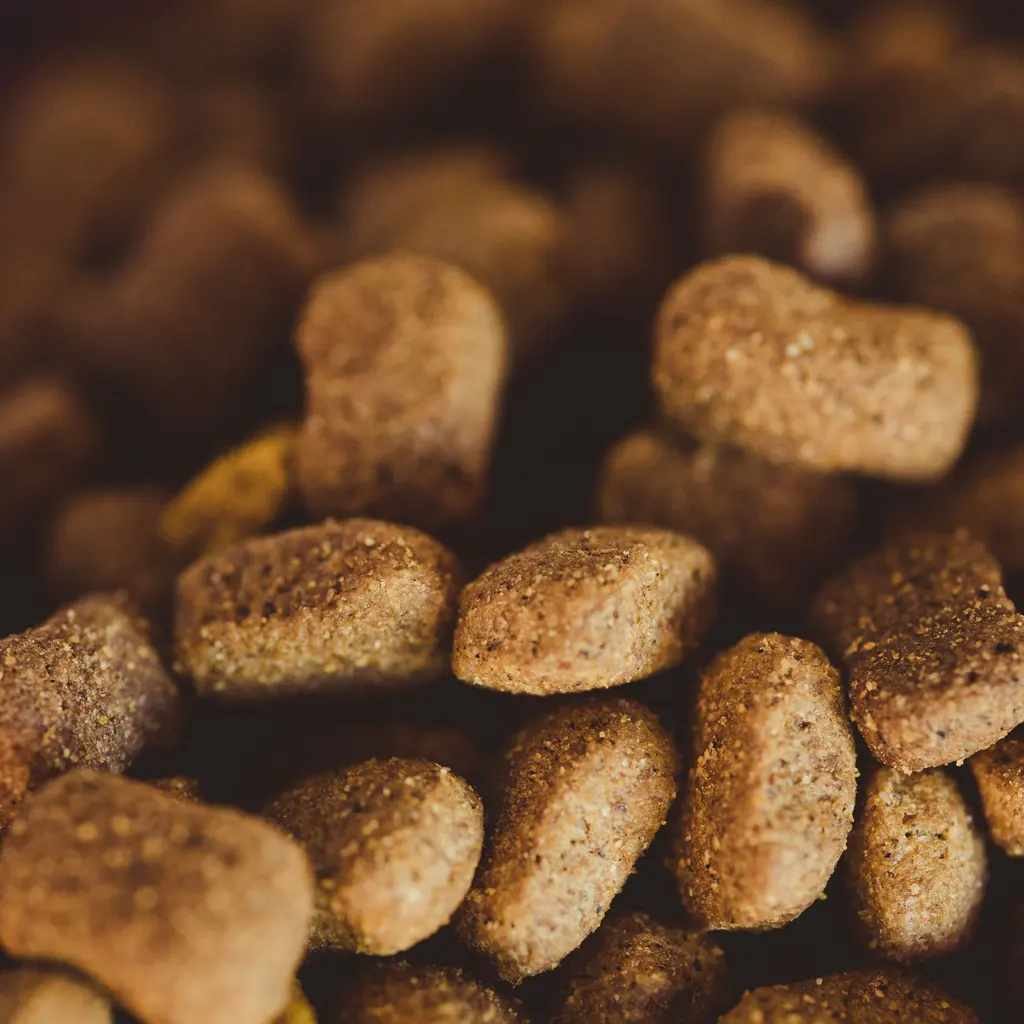
You manufacture dog or cat food, with grinding, extrusion and drying for kibble or cooking, filling and retorting for the wet products you actually make. An ingredient lot may reach several private labels. Contamination or a formulation error can harm animals or people handling the food, while machinery failure creates a separate production loss.
The Southern Agency can review your food-safety controls and processing equipment to help select suitable insurance, such as product liability for contamination or property coverage for your facility.
Salmonella, aflatoxin, or nutrient imbalances can sicken animals and trigger recalls. Salmonella-contaminated pet food can also affect people handling it.
Extruders, retorts, dryers, and canning lines can run hot; a breakdown can spoil batches and stop production.
Grain and ingredient grinding and conveying generate combustible dust that can deflagrate without proper housekeeping and controls.
Spoilage and pathogen risks depend on the meat or rendered ingredient's form, storage conditions, and processing.
Process water and animal-ingredient byproducts create wastewater handling and potential pollution considerations around the plant.
Grinders, conveyors, extruders, and hot canning equipment expose workers to burns, entanglement, and material-handling injuries.
Branded and private-label agreements with retailers frequently require specific liability limits and additional insured status.
Policies to ask about. Which ones fit depends on your operations, your contracts, and the carrier’s forms.
These hypothetical examples are not agency claim results. Whether a loss is covered depends on the facts, policy terms, and applicable exclusions.
Testing detects Salmonella after a kibble lot ships under two retailer labels. Both buyers withdraw stock and seek freight, disposal, and replacement costs. Separately purchased recall coverage may help with qualifying expenses if the pet-food product and event meet its trigger. Product liability does not automatically pay these withdrawal costs; it may address covered claims alleging animal harm or human illness. The buyers' full reimbursement demands may exceed either policy.
A sudden mechanical failure disables the main extruder and stops a kibble run. Equipment breakdown may help with covered repairs. Discarded in-process stock and lost income depend on the spoilage and income coverage purchased, applicable limits, and any time deductible. A quality failure without a covered equipment event is a different loss.
A release from byproduct handling allegedly contaminates neighboring soil and prompts a cleanup demand. Environmental liability may help with covered investigation, cleanup, or third-party claims. The insured location, pollution conditions, exclusions, and reporting requirements must fit the event; general liability and property coverage should not be assumed to supply the same protection.
Start with the work you do and the questions your current policies leave unanswered. Carrier options depend on your location, risk, and underwriting. Explore our approach.
Not automatically. Product liability may help with covered claims for injury or property damage, while withdrawal and recall expenses can be excluded. Review separate recall coverage for pet-food eligibility, event triggers, buyer expenses, limits, and retentions. A retailer's contract does not change the policy.
Yes. FDA warns that Salmonella in pet food can affect animals and people handling contaminated products. Product liability may help with a qualifying human-illness claim, subject to the facts, exclusions, and policy terms. The health warning does not establish insurance coverage.
Do not assume so. An umbrella supplies excess protection only as its wording provides above designated underlying policies. Confirm products-liability treatment and review recall coverage separately; a larger liability limit does not establish withdrawal-expense coverage.
Only if the event and the relevant coverages qualify. Review the covered equipment, spoilage and business income limits, time deductible and restoration terms. A batch rejected by quality control without a covered breakdown is not automatically an equipment-breakdown claim.
General liability can exclude pollution losses. Ask how any environmental policy treats the plant's locations, releases, cleanup, and third-party claims, including reporting requirements and exclusions. Availability depends on underwriting.
Dog and cat food manufacturing is part of the broader animal-food category. The narrower description helps identify pet products and their processes, but a pet-food-only plant may fit both names. Describe the actual products, distribution, and contract responsibilities rather than treating the page title as a coverage classification.
Bring your questions, current policies, and relevant contracts. An agent can review coverage terms, exclusions, and the information carriers ask for, then explain the options available to you.