

Source and product contamination
Compromised source water, a failed filtration or disinfection stage, or microbial growth can render finished bottles unsafe for consumers.
Try a different word, or check the spelling.
Your source and treatment claims travel on the label long after a bottle leaves the line. Product protection needs to fit those representations and distribution routes, with withdrawal costs considered separately from consumer-injury liability.
The Southern Agency can help you evaluate insurance for your water treatment and distribution processes.
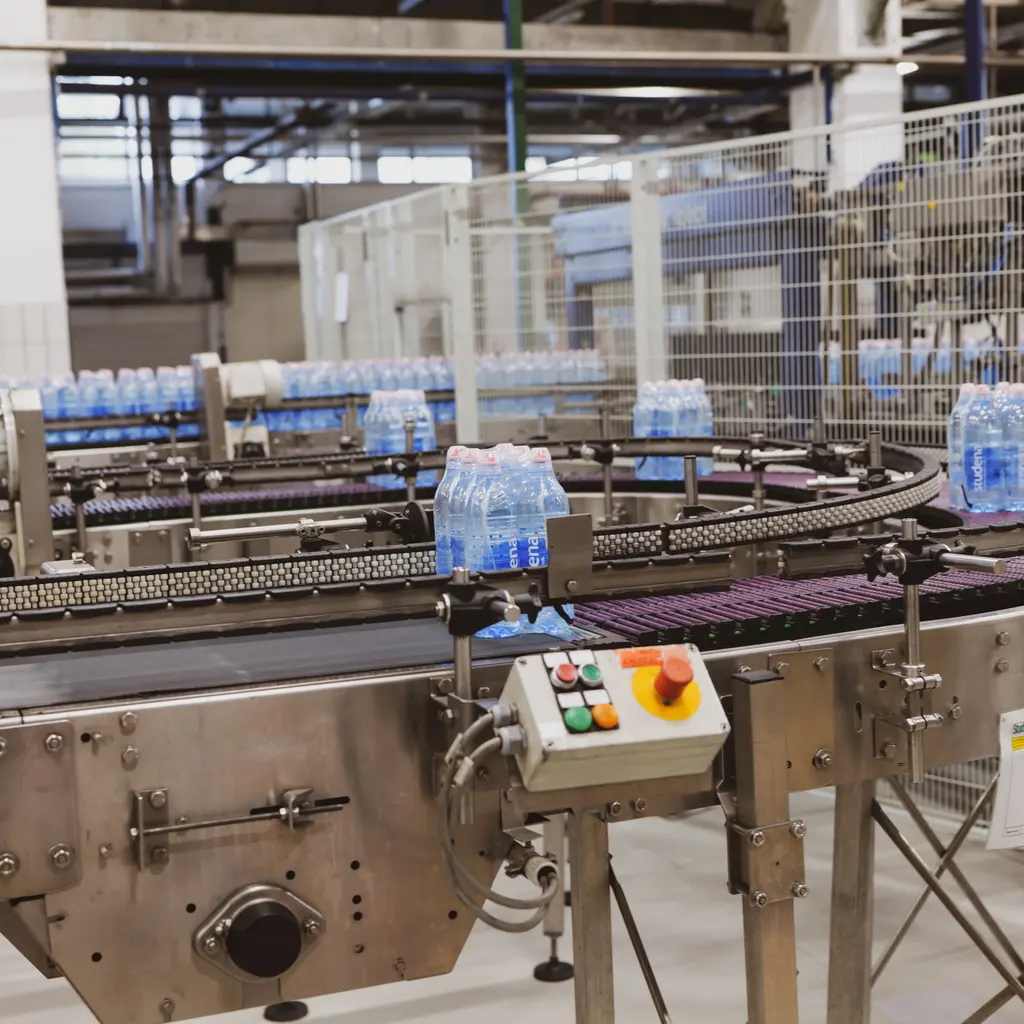
You source, treat and bottle water that may reach many buyers before a quality problem is discovered. A treatment fault can affect released lots as well as the next production run; deliveries may be handled by your own fleet or outside carriers.
The Southern Agency can review your source, process and distribution arrangements to help you compare insurance. We can separate consumer-harm and withdrawal interests from line breakdown, chemical releases and vehicle duties rather than treating them as one production loss.
Compromised source water, a failed filtration or disinfection stage, or microbial growth can render finished bottles unsafe for consumers.
Broad retail and home distribution means a quality failure can require recalling many lots quickly, driving notification, retrieval, and disposal costs.
Failure of filling, capping, or treatment machinery can stop production and spoil in-process batches, interrupting supply to customers.
Storage of disinfectants and cleaning agents plus wastewater discharge create potential pollution and regulatory exposure.
Palletizing, stacking, and forklift movement in storage areas create property damage and employee injury risk.
Trucks delivering to retailers, offices, and homes face accident, cargo, and third-party liability risk on the road.
Mislabeling of source, mineral content, or treatment claims can lead to consumer or regulatory disputes.
Policies to ask about. Which ones fit depends on your operations, your contracts, and the carrier’s forms.
These hypothetical examples are not agency claim results. Whether a loss is covered depends on the facts, policy terms, and applicable exclusions.
A treatment stage malfunctions and affected lots reach stores before testing flags the issue, prompting a recall. Product liability and recall-related coverage may respond, depending on policy terms and endorsements. Separate covered consumer harm from retrieval/disposal/replacement; a failed water test alone may not meet a recall trigger.
A high-speed filler fails and stops bottling for several days. Equipment breakdown coverage may help with repair and spoiled in-process water, subject to policy terms. Check a covered event and stock/income inclusion; in-process water rejection or lost customer accounts is not automatically insured.
A sanitation chemical is released into a floor drain and reaches the wastewater system, drawing regulatory attention. An environmental policy may respond to cleanup and liability, depending on the specific policy. Check insured chemical/location and cleanup/reporting terms; permit penalties and routine treatment upgrades are separate.
Start with the work you do and the questions your current policies leave unanswered. Carrier options depend on your location, risk, and underwriting. Explore our approach.
Because bottled water is consumed directly, a contamination or quality failure can cause injury claims. Product liability may respond to such claims, subject to policy terms and underwriting.
Compare source and treatment failures with the actual recall trigger and shipped lots. Products liability concerns covered harm to others. Withdrawal and first-party contamination/recall costs need a specifically eligible event, products and purchased expenses; ordinary spoilage, rework or a quality rejection is not automatic cover.
Storage of disinfectants and cleaning agents plus wastewater discharge can create pollution exposure that general liability may exclude. Environmental coverage is commonly considered, depending on operations.
Equipment breakdown coverage may help with repair costs and spoiled in-process product when treatment or filling machinery fails, depending on policy terms and the cause of loss.
Business auto coverage is commonly needed for owned delivery vehicles. The right limits depend on routes, vehicle count, and driver records, subject to underwriting.
No. Coverage depends on source, treatment methods, volume, and distribution. Not every bottler needs the same policies, so a program should be matched to your operation.
Bring your questions, current policies, and relevant contracts. An agent can review coverage terms, exclusions, and the information carriers ask for, then explain the options available to you.