

CO2 and carbonation system hazards
Pressurized carbonation, CO2 storage, and gas handling create explosion and asphyxiation exposure across the plant.
Try a different word, or check the spelling.
Your bottling agreement can set brand, quality, and insurance obligations before a case reaches the delivery truck. Product and fleet protection need to fit those duties without treating every contractual promise as an insured loss.
The Southern Agency can help you align equipment, product liability, and cargo coverage with your bottling plant's operations.
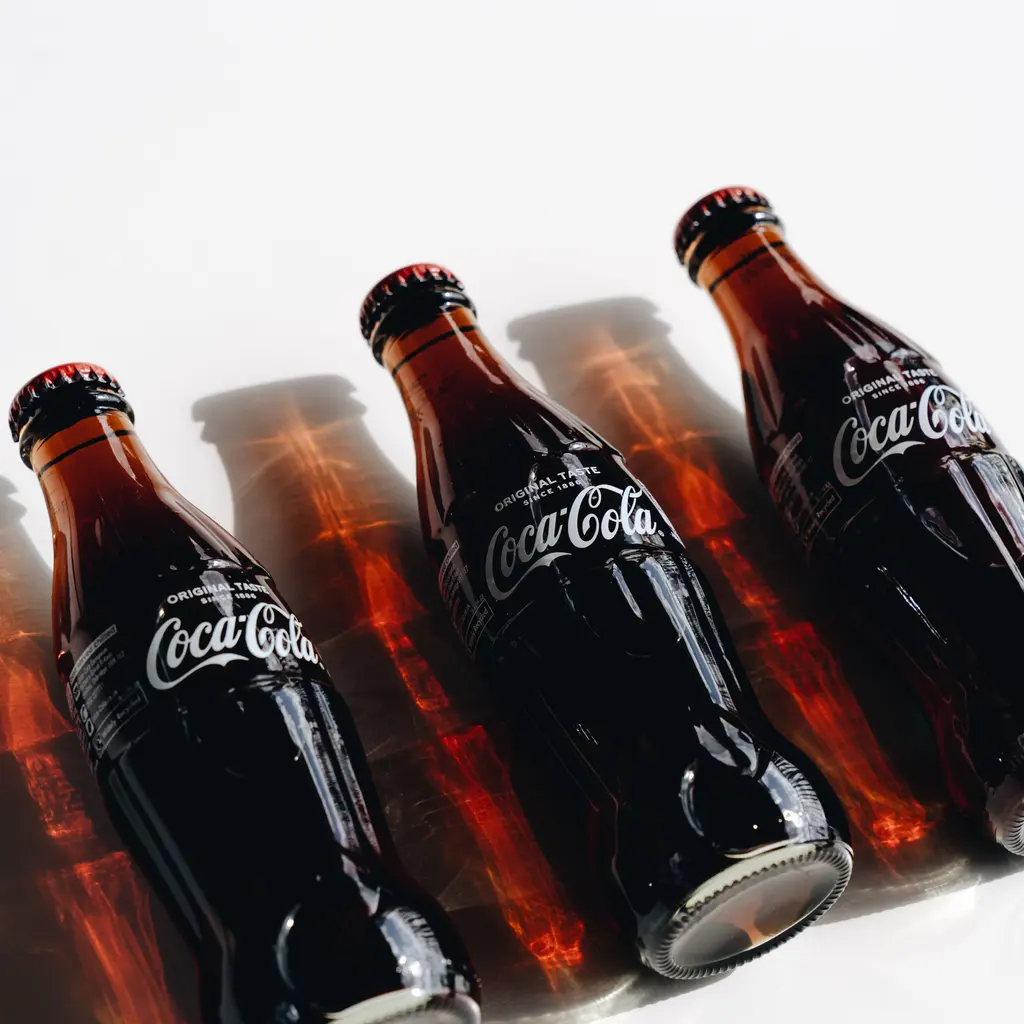
You fill and package beverages on lines where one failed filler or capper can hold up a large run. Pressurized carbonation and gas handling add hazards for carbonated products. A quality concern may follow several labels or lots into your customers' warehouses.
The Southern Agency can review your pressurized systems, bottling lines, and distribution fleet to help you select appropriate insurance. We can discuss how to protect your machinery from breakdown and manage contractual liability related to franchise or brand agreements.
Pressurized carbonation, CO2 storage, and gas handling create explosion and asphyxiation exposure across the plant.
Automated fillers, cappers, and conveyors moving at speed pose serious machine-entanglement and crush risk to workers.
A contamination or carbonation defect can affect huge volumes distributed widely, driving major recall and liability costs.
Bottling agreements often impose specific insurance, quality, and contractual liability obligations the plant must meet.
Failure of high-speed lines, carbonators, or refrigeration can halt large production runs and spoil in-process product.
Extensive route-sales and delivery vehicles create heavy accident, cargo, and third-party liability exposure.
High-volume palletizing and forklift traffic in large warehouses create property damage and injury risk.
Policies to ask about. Which ones fit depends on your operations, your contracts, and the carrier’s forms.
These hypothetical examples are not agency claim results. Whether a loss is covered depends on the facts, policy terms, and applicable exclusions.
An over-carbonation issue affects a large run distributed across several states, prompting a recall. Product liability and recall-related coverage may respond, depending on policy terms and endorsements. Separate eligible recall expenses from covered injury; over-carbonation/rejection alone does not establish all costs.
A high-speed filler fails during a major run, halting production for days. Equipment breakdown coverage may help with repair and lost product, subject to policy terms and the cause of loss. Check covered filler event and included batch/income terms; a missed franchise run or penalty is not automatic cover.
A delivery truck is involved in a collision and the load is damaged. Business auto and motor truck cargo coverage may respond, depending on the specific policies and facts. Separate auto liability/physical damage from insured cargo owner, vehicle and cause; load rejection or delayed deliveries differ.
Start with the work you do and the questions your current policies leave unanswered. Carrier options depend on your location, risk, and underwriting. Explore our approach.
Large delivery and route fleets carry significant product loads. Motor truck cargo coverage may help protect those goods in transit, depending on policy terms and the loss.
Bottling agreements often require specific coverages, limits, and indemnity terms. A program should be reviewed against your contracts, though availability depends on underwriting.
Yes. With heavy reliance on automated lines, equipment breakdown coverage may help with repair and lost production when carbonators or fillers fail, depending on policy terms.
Map carbonation/package release and the affected franchise labels/lots. Products liability concerns covered harm to others, not automatically withdrawal. Recall/contamination cover needs an eligible event, insured product and purchased expenses; quality rejection, refunds, rework and routine spoilage are not automatic cover.
Pressurized carbonation and CO2 storage create explosion and asphyxiation risk that should be addressed in property and liability coverage, subject to underwriting and controls.
Coverage depends on volume, equipment, contracts, and distribution. A program must be matched to the specific operation.
Bring your questions, current policies, and relevant contracts. An agent can review coverage terms, exclusions, and the information carriers ask for, then explain the options available to you.