

Ingredient-driven contamination
A contaminated supplier ingredient or sweetener can compromise finished beverages and lead to illness claims.
Try a different word, or check the spelling.
Your label may promise ingredients, caffeine levels, or a functional benefit as well as identify the drink. Coverage for consumer allegations needs a closer look than assuming product liability funds every advertising dispute or withdrawal.
The Southern Agency can help you evaluate your beverage production risks, from ingredient sourcing to consumer labeling.
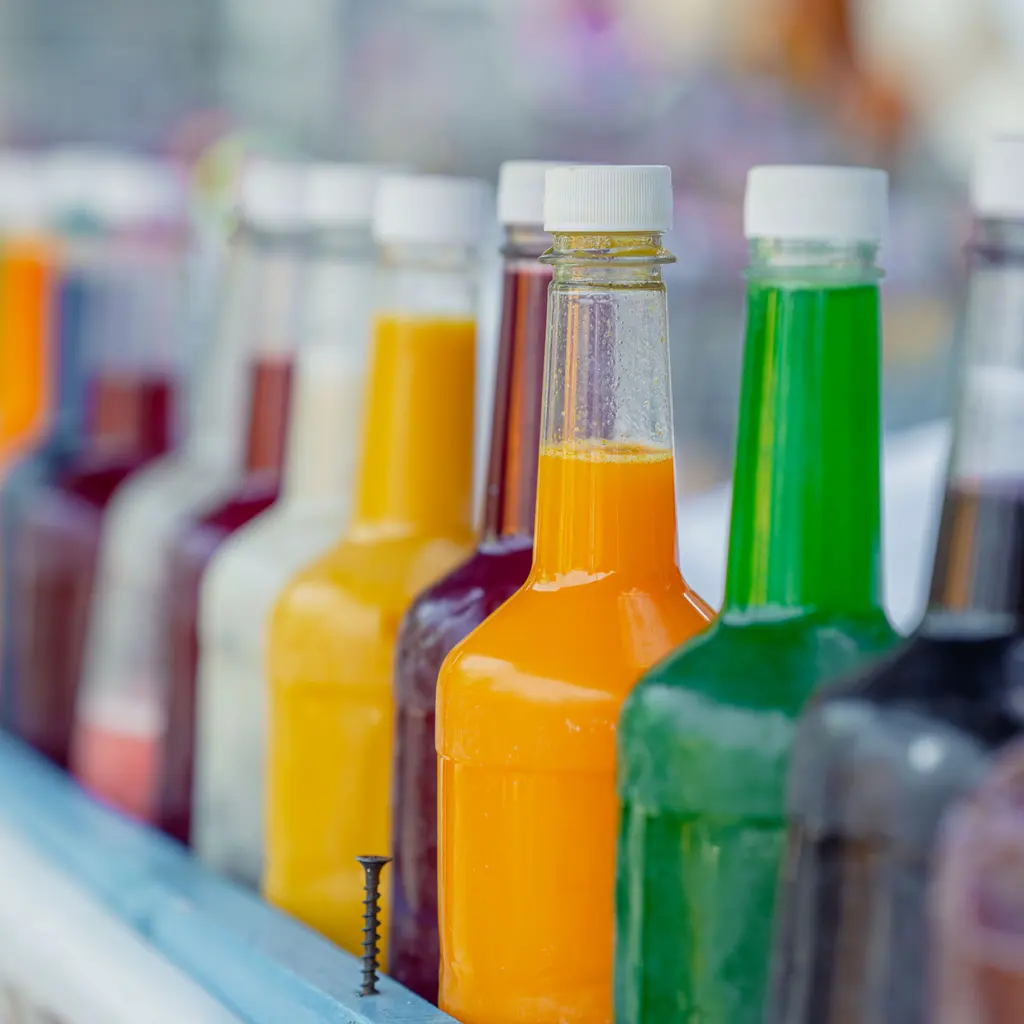
You produce various non-alcoholic beverages, requiring precise ingredient blending and sanitation to maintain food safety and label accuracy. An off-spec batch or an undeclared allergen in your functional drink can lead to significant recall and regulatory costs.
The Southern Agency can help you review the blending, treatment, filling and labeling steps you actually perform. We can compare consumer-injury protection with recall and contamination expenses, and examine the limits on label or advertising claims rather than treating every regulatory dispute as insured.
A contaminated supplier ingredient or sweetener can compromise finished beverages and lead to illness claims.
A breakdown in mixing, pasteurizing, or sealing can allow spoilage or microbial growth in finished product.
Broad retail and food-service distribution means a quality issue can require recalling many lots quickly.
Claims about ingredients, caffeine levels, or functional benefits can trigger consumer or regulatory action.
Failure of blending, filling, or refrigeration equipment can halt production and spoil in-process batches.
Delivering product to retailers and distributors creates accident, cargo, and liability risk on the road.
Policies to ask about. Which ones fit depends on your operations, your contracts, and the carrier’s forms.
These hypothetical examples are not agency claim results. Whether a loss is covered depends on the facts, policy terms, and applicable exclusions.
A contaminated sweetener affects multiple production runs that reach stores before discovery, prompting a recall. Product liability and recall-related coverage may respond, depending on policy terms and endorsements. Separate covered injury from eligible recall events/expenses; a supplier notice alone does not insure every run.
A pasteurizer malfunction allows spoilage in a juice run. Equipment breakdown coverage may help with repair and spoiled product, subject to policy terms and the cause of loss. Confirm a covered machinery event and stock inclusion; a bad formula or failed release test alone is not breakdown.
A consumer challenges a benefit claim on an energy beverage label. General liability with advertising-injury terms may respond to certain claims, depending on the specific policy and exclusions. Review enumerated offenses, quality/performance and regulatory exclusions; a challenged health claim does not automatically qualify as advertising injury.
Start with the work you do and the questions your current policies leave unanswered. Carrier options depend on your location, risk, and underwriting. Explore our approach.
Generally no, since no alcohol is produced or served. The focus is product liability, recall, and food-safety coverage, with the right mix depending on operations and underwriting.
Review the actual alleged offense and label/advertising terms, including quality/performance and regulatory exclusions. General liability advertising injury is not blanket cover for benefit claims, refunds, or agency enforcement.
Disclose every beverage/functional ingredient and map affected production lots. Products liability concerns covered harm to others, not automatically withdrawal. Recall/contamination cover needs an eligible event, insured product and purchased expenses; quality rejection, refunds, rework and routine spoilage are not automatic cover.
Equipment breakdown coverage may help with repair and spoiled in-process product when processing equipment fails, depending on policy terms and the cause of loss.
Business auto coverage is commonly needed for owned delivery vehicles, with limits depending on routes and vehicle count, subject to underwriting.
Coverage depends on ingredients, processing, label claims, and distribution. Not every producer needs the same policies, so a program should be matched to your operation.
Bring your questions, current policies, and relevant contracts. An agent can review coverage terms, exclusions, and the information carriers ask for, then explain the options available to you.