

Product contamination and recall
Foreign material, pathogens, or mycotoxins in grain can trigger costly multi-lot recalls and pull product from shelves across many retail accounts.
Try a different word, or check the spelling.
Your shared line may run recipes with different allergens before cartons reach multiple grocery accounts. Product and recall protection deserve separate consideration alongside machinery cover for the continuous process.
The Southern Agency can help you align your manufacturing protections with your production scale.
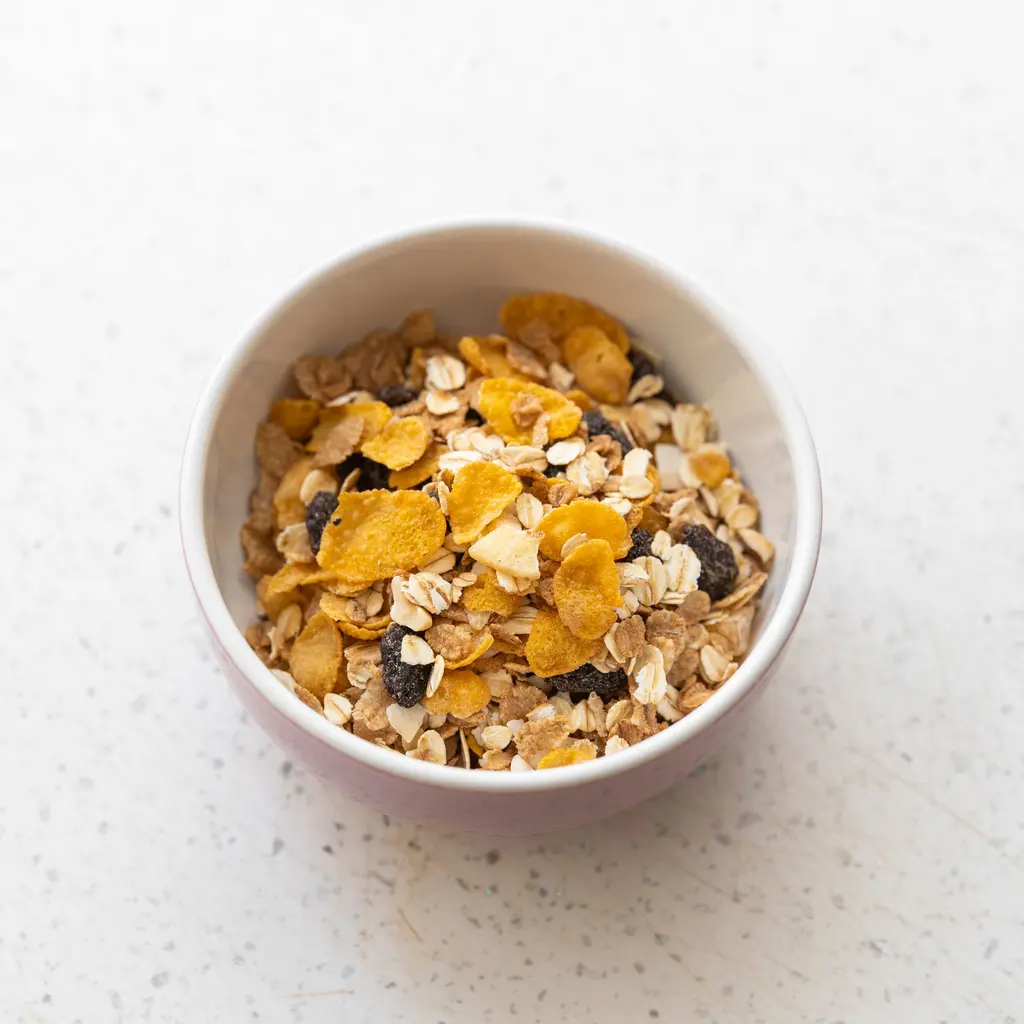
You turn grains into ready-to-eat or hot cereals, with extrusion, flaking, toasting and drying depending on the products you make. Dust and machinery failures can interrupt production, while an ingredient or label error can follow several recipes into cartons sold under different retail labels.
The Southern Agency can help you review your production flow and supply chain reach to select appropriate insurance. For instance, we can discuss how your equipment breakdown policy applies to continuous-process machinery alongside your property coverage.
Foreign material, pathogens, or mycotoxins in grain can trigger costly multi-lot recalls and pull product from shelves across many retail accounts.
Shared lines running nut, wheat, milk, or soy ingredients create cross-contact risk that can lead to recalls and bodily-injury claims if labeling fails.
Milling and conveying grain produces fine dust that can ignite or deflagrate in silos, legs, and dust collection systems without rigorous controls.
Extruders, toasting ovens, dryers, and packaging lines run continuously, so a mechanical or electrical failure can halt output and spoil in-process batches.
Large stores of grain, sweeteners, and palletized finished cereal expose the plant to fire, water, and spoilage losses with major revenue impact.
Conveyors, hot surfaces, forklifts, and confined-space silo entry expose production and maintenance staff to burns, crush, and amputation hazards.
National grocery buyers and co-packing agreements frequently mandate specific liability limits and additional insured status as a condition of doing business.
Policies to ask about. Which ones fit depends on your operations, your contracts, and the carrier’s forms.
These hypothetical examples are not agency claim results. Whether a loss is covered depends on the facts, policy terms, and applicable exclusions.
A tree-nut ingredient is omitted from the label and affected cartons reach several grocery accounts. A qualifying recall or contaminated-product form may help with purchased withdrawal expenses if the event and cereal lines are included. Product liability addresses a separate covered injury claim if one is made; discovering the label error does not itself establish an injury or fund every retailer charge.
A primary extruder fails and stops a continuous line for several days. Equipment breakdown coverage may respond to repair and resulting lost income, subject to the specific policy and exclusions. Check covered equipment event, income inclusion, restoration, and time deductible; rejected cereal or delayed orders alone are insufficient.
A smoldering event in a dust collection system spreads to nearby equipment. Commercial property coverage may help with repairs and cleanup, depending on the facts and policy terms. Check covered fire/protective terms; pollution cleanup and lost production require their own applicable terms.
Start with the work you do and the questions your current policies leave unanswered. Carrier options depend on your location, risk, and underwriting. Explore our approach.
Cereal plants commonly combine product liability, commercial property, equipment breakdown, general liability, and workers' compensation. The right mix depends on volume and allergens handled, subject to underwriting.
Map an ingredient or labeling error across every affected cereal lot and retail label. Products liability concerns covered harm to others. Withdrawal and first-party contamination/recall costs need a specifically eligible event, products and purchased expenses; ordinary spoilage, rework or a quality rejection is not automatic cover.
Combustible dust is a key underwriting concern. Strong housekeeping and explosion controls can affect terms, and property coverage may respond to a covered fire, depending on policy terms.
Extruders, ovens, and dryers run continuously, so a failure can idle a whole line. Equipment breakdown may help with repairs and lost income, subject to policy terms and exclusions.
National retailers and co-packers often mandate liability limits and additional insured status. We can help structure a program to meet those contracts, though availability depends on underwriting.
Commercial property coverage commonly extends to warehoused finished cereal and raw grain. Limits should reflect peak inventory values, and coverage depends on the specific policy.
Bring your questions, current policies, and relevant contracts. An agent can review coverage terms, exclusions, and the information carriers ask for, then explain the options available to you.