

Combustible flour dust explosion
Accumulated flour dust in mixing rooms, dust collectors, and bulk handling can ignite, causing deflagration, fire, and injury if housekeeping and ventilation fail.
Try a different word, or check the spelling.
Your dry mix, chilled dough, and frozen dough do not face the same storage conditions. Stock and equipment protection need to fit the forms you produce, separately from liability for ingredients or product that reaches a consumer.
The Southern Agency can help you align your dough production risks and plant safety with a tailored insurance program.
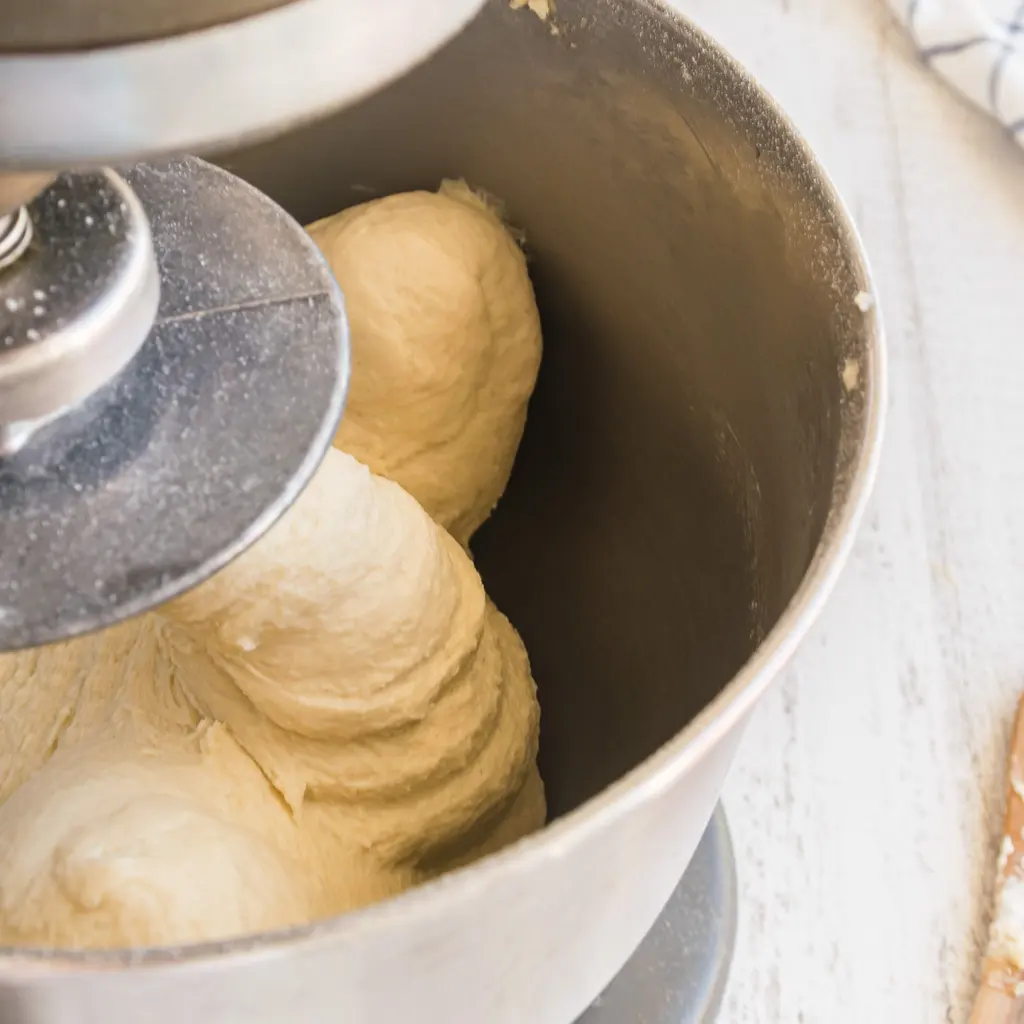
You blend dry flour mixes or make chilled or frozen dough for retail and foodservice customers. Bulk flour handling can release combustible dust, while recipe or packaging changes can send an undeclared allergen into many orders. Wet dough adds temperature and work-in-process concerns that dry mixes do not share.
The Southern Agency can review your bulk-handling, product formats and allergen controls to help you choose insurance. We can compare plant fire protection, mixer or refrigeration breakdown and stock benefits with liability for consumer harm and separately purchased withdrawal expenses.
Accumulated flour dust in mixing rooms, dust collectors, and bulk handling can ignite, causing deflagration, fire, and injury if housekeeping and ventilation fail.
Wheat, dairy, egg, or nut allergens that are undeclared or cross-contacted can force a product recall and expose the plant to illness and breach-of-warranty claims.
Metal, plastic, or equipment fragments entering dough or dry mix can injure consumers and prompt costly recalls across multiple distribution channels.
Failure of continuous mixers, sheeters, or packaging machinery can stop production, spoil in-process batches, and delay customer shipments.
Silo-stored flour faces moisture damage, infestation, and fire, and a loss of raw material can interrupt the entire production schedule.
Workers around augers, conveyors, mixers, and ovens face crush, burn, and repetitive-motion injuries common to dough manufacturing.
Refrigerated and frozen doughs depend on stable temperatures, and a refrigeration failure can spoil large quantities of finished product.
Policies to ask about. Which ones fit depends on your operations, your contracts, and the carrier’s forms.
These hypothetical examples are not agency claim results. Whether a loss is covered depends on the facts, policy terms, and applicable exclusions.
A packaging changeover sends mix containing milk into cartons labeled dairy-free, and the affected lots are withdrawn before an injury is reported. A purchased recall form may help with eligible retrieval and disposal if it accepts the product and safety event. Products liability addresses covered harm to others, not automatically this withdrawal; recipe correction, replacement mixes and buyer reimbursements need their own terms.
Accumulated flour dust ignites in a dust collector and damages a mixing room. Property coverage may help with repairs and resulting business income loss, subject to the specific policy and exclusions. Check covered fire and purchased income/restoration terms; ordinary infestation/moisture stock loss is different.
A continuous mixer's gearbox fails mid-run, spoiling in-process dough and halting a shift. Equipment breakdown coverage may respond to repair and spoilage costs, depending on policy terms. Confirm covered gearbox event and in-process stock inclusion/valuation; dough disposal is not automatically a repair benefit.
Start with the work you do and the questions your current policies leave unanswered. Carrier options depend on your location, risk, and underwriting. Explore our approach.
Airborne flour dust is combustible and can fuel an explosion if it accumulates. Underwriters review housekeeping, ventilation, and dust collection because these directly affect property terms and pricing.
Map recipe and packaging versions to affected mix/dough lots. Products liability concerns covered harm to others, not automatically withdrawal. Recall/contamination cover needs an eligible event, insured product and purchased expenses; quality rejection, refunds, rework and routine spoilage are not automatic cover.
Allergen mislabeling and cross-contact are leading recall triggers. Strong labeling controls support underwriting, and product liability may respond to resulting claims, subject to policy terms and exclusions.
Equipment breakdown coverage may respond when mixers, sheeters, refrigeration, or packaging lines fail, helping with repair and spoiled batches, depending on policy terms and underwriting.
Bring the actual retailer or food-service agreement, limits and endorsement requests. Compare accepted products and issued terms with the buyer's insurance and indemnity provisions. A certificate or requested limit does not insure every recall reimbursement, rejection or delivery promise.
Line workers face crush, burn, and repetitive-motion exposure around mixers and ovens, so workers' compensation is commonly required and often legally mandated, subject to your state's rules.
Bring your questions, current policies, and relevant contracts. An agent can review coverage terms, exclusions, and the information carriers ask for, then explain the options available to you.