

Taproom liquor liability
Serving beer on-site can make a brewery liable if an intoxicated patron later causes injury or property damage.
Try a different word, or check the spelling.
Your beer can reach a customer through a taproom pour or a delivered keg. Liquor, product and delivery protection need to reflect those routes, with batch spoilage kept separate from the value of brewing equipment.
The Southern Agency can help you evaluate your brewery's property and liability coverage needs.
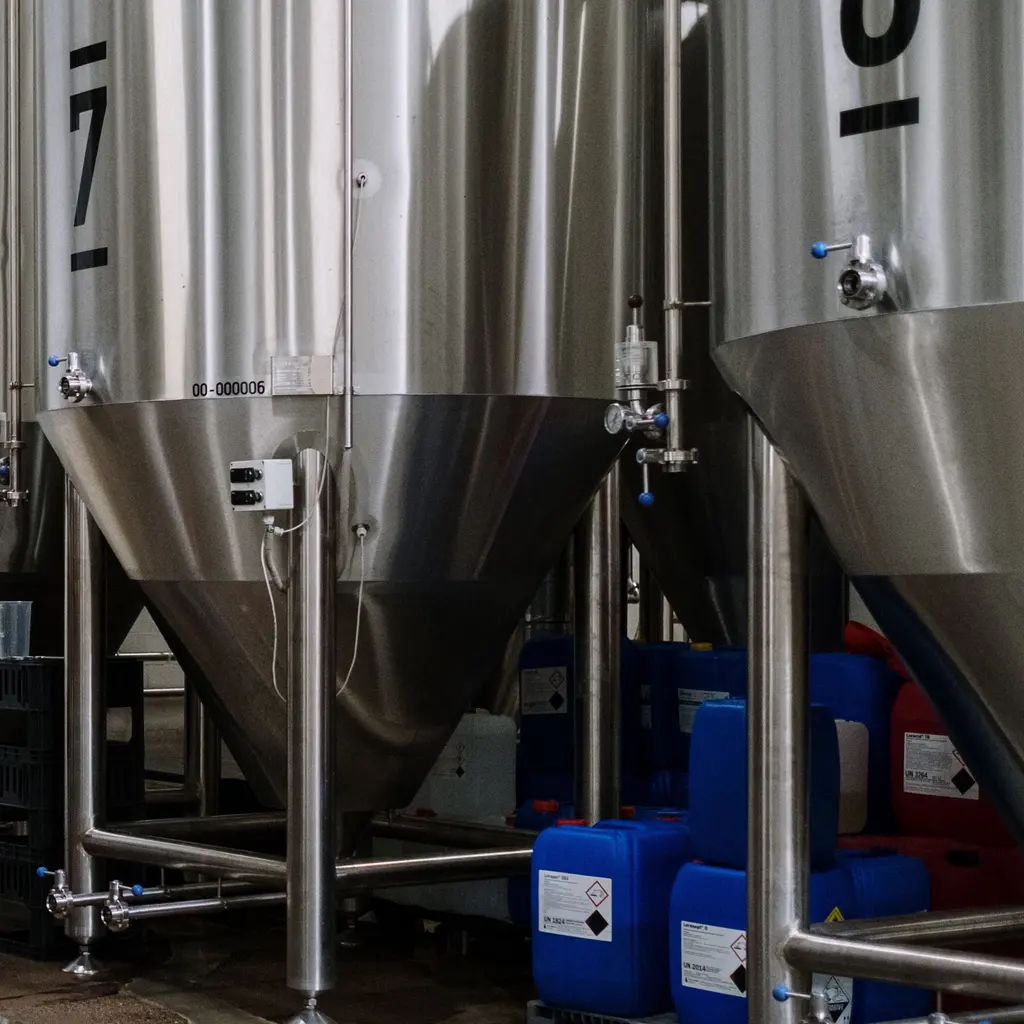
You turn grain and hops into beer through brewing, fermentation and packaging, with active batches depending on temperature control. Cooling failure can damage stock and delay production; if you run a taproom or tours, guests also enter a working manufacturing setting.
The Southern Agency can help you review your brewing, taproom, and distribution operations to select appropriate insurance. We can discuss how to structure your equipment breakdown coverage to address spoiled inventory alongside your general liability for tours.
Serving beer on-site can make a brewery liable if an intoxicated patron later causes injury or property damage.
Pressurized tanks, boiling wort, CO2 and glycol systems, and grain dust create burn, explosion, and asphyxiation exposures.
Spoiled, contaminated, or over-carbonated beer reaching customers can lead to injury claims and a product recall.
Loss of refrigeration, glycol, or fermentation control can ruin entire batches and halt production.
Production and packaging areas with wet floors, conveyors, and canning lines pose injury risk to staff.
Delivering kegs and cases by company vehicle creates accident, cargo, and liability risk on the road.
Public tours and on-site events bring visitors into production areas, increasing premises liability exposure.
Policies to ask about. Which ones fit depends on your operations, your contracts, and the carrier’s forms.
These hypothetical examples are not agency claim results. Whether a loss is covered depends on the facts, policy terms, and applicable exclusions.
A guest is over-served in the taproom and is later involved in an incident off-site. Liquor liability coverage may respond to resulting claims, depending on policy terms and the facts. Review actual service, state liability, and exclusions; a later incident does not establish insured negligence.
A glycol cooling failure ruins several active fermentation batches. Equipment breakdown coverage may help with repair and spoiled product, subject to policy terms and the cause of loss. Check covered equipment event, beer-stock inclusion/valuation, and limits; an off-flavor or failed fermentation without that trigger is not automatically insured.
A packaging error leads to over-carbonated cans that reach retailers and prompt a recall. Product liability and recall-related coverage may respond, depending on the specific policy and endorsements. Separate consumer injury from can retrieval/destruction/replacement; over-carbonation must meet the actual purchased recall terms.
Start with the work you do and the questions your current policies leave unanswered. Carrier options depend on your location, risk, and underwriting. Explore our approach.
If you pour beer for on-site consumption, liquor liability is commonly needed to address claims tied to intoxicated patrons, subject to policy terms and underwriting.
Product liability may respond to injury claims from contaminated or defective beer reaching consumers, while recall endorsements can address retrieval costs, depending on the policy.
Equipment breakdown coverage may help with repair and spoiled batches when cooling, glycol, or fermentation control fails, depending on policy terms and the cause.
Yes. Self-distribution by company vehicles commonly calls for business auto coverage, with limits depending on routes and vehicle count, subject to underwriting.
General liability commonly responds to visitor injuries during tours and taproom visits, though production-area access may affect terms. Coverage depends on policy terms and underwriting.
Commercial property coverage may help protect the brewhouse, tanks, and inventory against fire and other covered perils, subject to policy terms and valuation.
Bring your questions, current policies, and relevant contracts. An agent can review coverage terms, exclusions, and the information carriers ask for, then explain the options available to you.