

Liquor liability and dram-shop claims
Serving an intoxicated patron who later causes harm can result in dram-shop liability, the central exposure for any alcohol-led venue.
Try a different word, or check the spelling.
Your door staff, bar team, and event schedule can shape the same busy night. Liquor and premises liability need compatible terms for security and altercations, rather than an assumption that more limits remove an assault exclusion.
The Southern Agency can help you evaluate your bar’s liability and premises coverage needs.
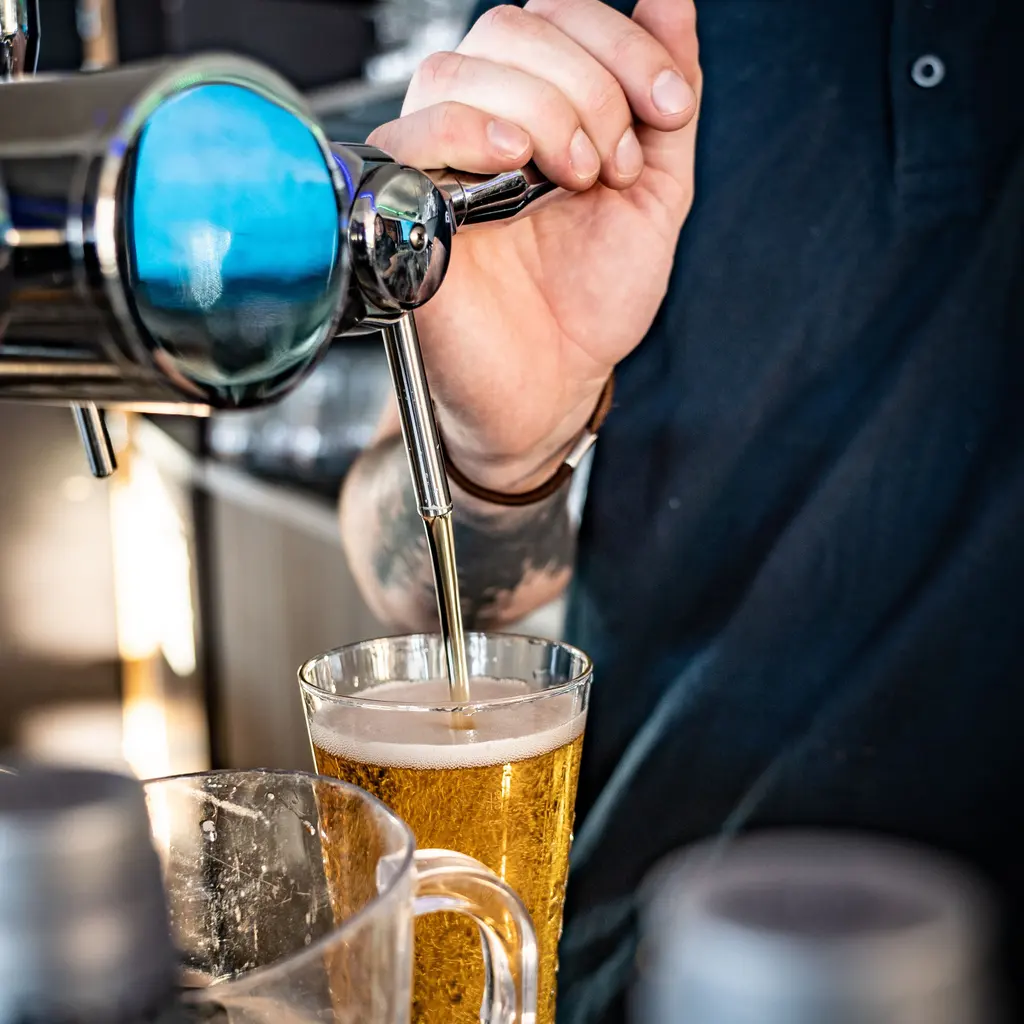
Your business operates as a bar or pub, balancing alcohol service with potential food or entertainment offerings. You may encounter a situation where a patron falls on your premises or a claim arises regarding a guest's intoxication.
The Southern Agency can review your service hours, events and security arrangements to help you compare insurance. We can check how liquor, premises and excess terms address the same incident, separately from protecting your back-bar stock and tenant improvements.
Serving an intoxicated patron who later causes harm can result in dram-shop liability, the central exposure for any alcohol-led venue.
Late-night crowds and intoxication raise the risk of altercations and assault-and-battery claims tied to security and crowd control.
Spilled drinks, wet floors, broken glass, and crowded rooms create slip-and-fall and laceration exposure during busy hours.
Back-bar stock, coolers, draft systems, and tenant improvements are vulnerable to fire, theft, and water damage.
A cash-intensive, late-night operation faces employee theft and robbery exposure that affects both crime and security planning.
Your actual license jurisdiction, lease or event agreement may specify insurance, limits or insured parties. Missing a required term can affect an agreement or operation; requirements are not identical for every bar.
Policies to ask about. Which ones fit depends on your operations, your contracts, and the carrier’s forms.
These hypothetical examples are not agency claim results. Whether a loss is covered depends on the facts, policy terms, and applicable exclusions.
A patron served past intoxication is later involved in an off-site incident and the bar is named in a claim. Liquor liability coverage may respond, depending on policy terms and state dram-shop law. Check state duty, insured service, and exclusions; intoxication alone does not establish the bar's liability or insurance payment.
A fight breaks out near closing and a patron alleges injury and inadequate security. Coverage may respond depending on assault-and-battery terms, exclusions, and the facts of the incident. Assault/battery and security exclusions may restrict defense as well as damages; a liquor policy does not automatically resolve the claim.
A patron slips on a spilled drink and is injured during a busy night. General liability coverage may help with medical and liability costs, subject to the specific policy terms. Check premises and assault/liquor allegations separately; a spill injury does not make every closing-time incident covered.
Start with the work you do and the questions your current policies leave unanswered. Carrier options depend on your location, risk, and underwriting. Explore our approach.
Check the actual requirements of your license jurisdiction, lease and event agreements. Insurance obligations vary, while liability from your own alcohol service needs specific review. Bring the requested limits and insured parties so they can be compared with actual issued terms.
Assault-and-battery exposure is often addressed through specific terms or sublimits that vary by policy. Coverage depends on the specific policy, endorsements, exclusions, and facts of the incident.
Late hours and crowd size affect liquor and injury risk, so insurers weigh hours, capacity, and security. Strong ID-check and crowd-control practices may help with terms, depending on underwriting.
Responsible-service training and documented ID checks may help demonstrate risk control and influence terms. Coverage availability still depends on underwriting and your loss history.
Leases commonly require liability and property coverage with minimum limits and additional-insured status. We can help structure coverage to meet those terms, subject to underwriting.
Check whether liquor and the relevant premises/security exposures are included under the excess schedule. An umbrella does not automatically add liquor limits.
Bring your questions, current policies, and relevant contracts. An agent can review coverage terms, exclusions, and the information carriers ask for, then explain the options available to you.