

Brewing equipment breakdown
Glycol chillers, boilers, brite tanks, and packaging lines can fail, halting production and spoiling fermenting or finished beer.
Try a different word, or check the spelling.
Guests may pass tanks, hoses, and wet production floors while visiting your taproom. Visitor liability needs to fit that shared setting, without being confused with alcohol-service claims or protection for fermenting beer.
Review where guests, alcohol service and production meet, alongside cooling systems and distribution duties.
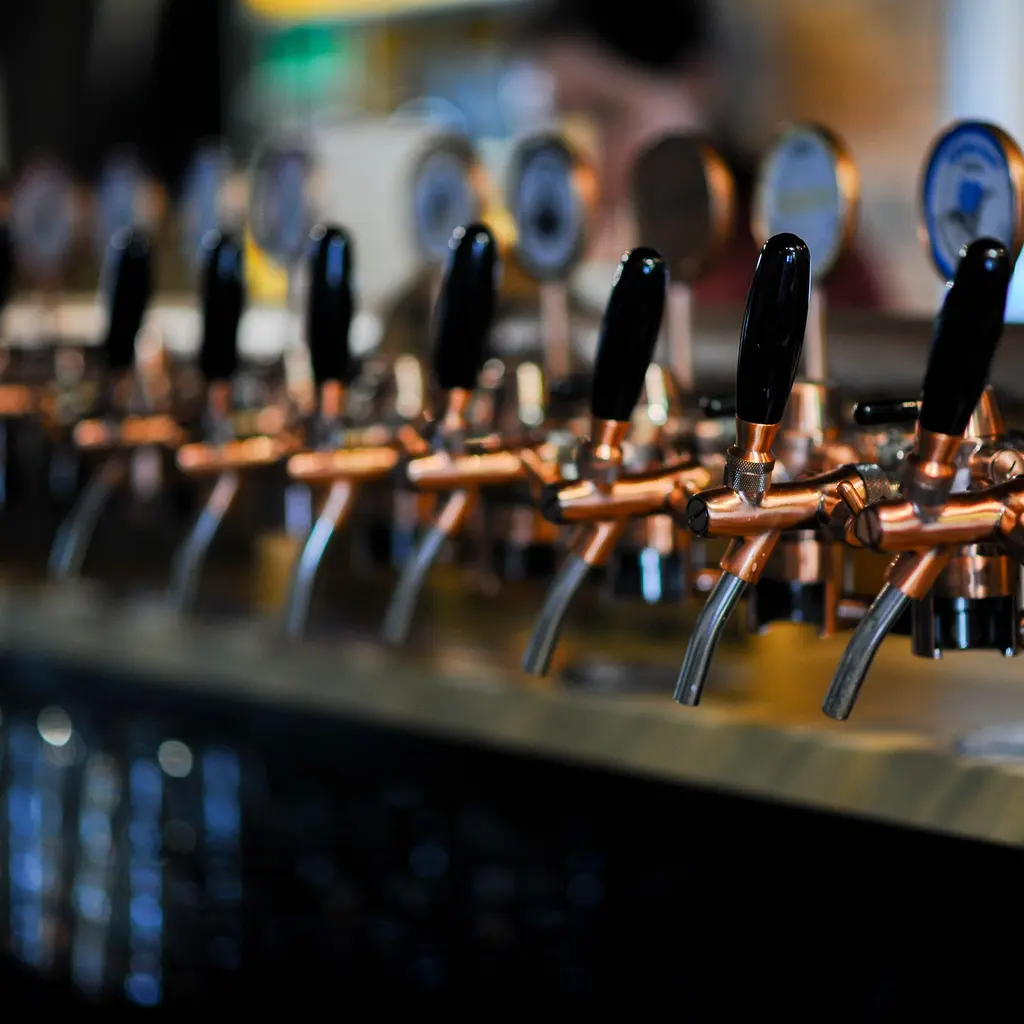
Your taproom serves beer brewed on-site, managing both the production environment and the public guest experience. A failed chiller could destroy your batch, and serving alcohol presents unique liability concerns regarding visitor intoxication.
The Southern Agency can help you review your production and service practices to select appropriate insurance. We can help you differentiate between property insurance for your brewing equipment and the liability coverage needed for your taproom operations.
Glycol chillers, boilers, brite tanks, and packaging lines can fail, halting production and spoiling fermenting or finished beer.
Pouring pints and flights to guests creates dram-shop exposure if an over-served patron later causes harm.
Kegs and cans shipped to bars and stores carry contamination, over-carbonation, or foreign-material claims downstream.
Tours and taproom traffic near tanks, hoses, and wet floors create slip-and-fall and contact injury exposure to guests.
Pressurized CO2, tanks, and cellar work expose staff to asphyxiation, pressure, and confined-space risks during production.
Grain, packaging, finished beer, and tenant improvements are vulnerable to fire, contamination, and refrigeration failure.
Policies to ask about. Which ones fit depends on your operations, your contracts, and the carrier’s forms.
These hypothetical examples are not agency claim results. Whether a loss is covered depends on the facts, policy terms, and applicable exclusions.
Suppose a covered internal chiller breakdown causes a fermenting batch to spoil. Equipment repair and beer loss need their respective breakdown and spoilage terms, including valuation and limits. A brewing mistake or rejected batch alone does not prove equipment damage or covered lost sales.
Suppose a tour guest slips on a wet production floor. General liability may address a covered premises injury, with medical-payments terms reviewed separately from fault-based damages. Confirm the tour and production-floor access are described; an alcohol-service allegation would raise a different coverage question.
Suppose over-carbonated cans are withdrawn from customer accounts. Purchased recall terms need an eligible event, included products and defined expenses. Pulling cans, disposing of beer and replacing the batch do not alone establish a product-liability claim for injury or damage to others.
Start with the work you do and the questions your current policies leave unanswered. Carrier options depend on your location, risk, and underwriting. Explore our approach.
Often yes. Serving guests creates liquor liability, while distributing kegs and cans creates product liability. Coordinating both is commonly needed, subject to policy terms and operations.
Glycol systems, boilers, and tanks are critical to brewing. Equipment breakdown coverage may respond when they fail, helping with repair and spoiled product, depending on policy terms.
Yes. Guests near tanks, hoses, and wet floors raise premises exposure. General liability commonly responds to tour injuries, though coverage depends on policy terms and underwriting.
Self-distribution with your own vehicles commonly calls for business auto coverage for collision and liability on delivery routes. Coverage depends on the specific policy and operations.
It can be. Pressurized CO2 and cellar work create staff exposure, so insurers may review safety practices. Strong controls may help with terms, depending on underwriting.
Compare package defects and contamination with eligible beer recall events and expenses. Products liability concerns covered harm to others. Withdrawal and first-party contamination/recall costs need a specifically eligible event, products and purchased expenses; ordinary spoilage, rework or a quality rejection is not automatic cover.
Bring your questions, current policies, and relevant contracts. An agent can review coverage terms, exclusions, and the information carriers ask for, then explain the options available to you.