

Boiler and turbine breakdown
High-pressure boilers and steam turbines drive the mill, and a failure during campaign can halt crushing, spoil juice in process, and idle the plant.
Try a different word, or check the spelling.
Harvested cane and juice in process cannot simply wait for a convenient repair date. Your breakdown, stock and income terms need to recognize that processing window rather than promise to replace every missed campaign day.
The Southern Agency can help you align your factory’s property and liability programs with your seasonal operations.
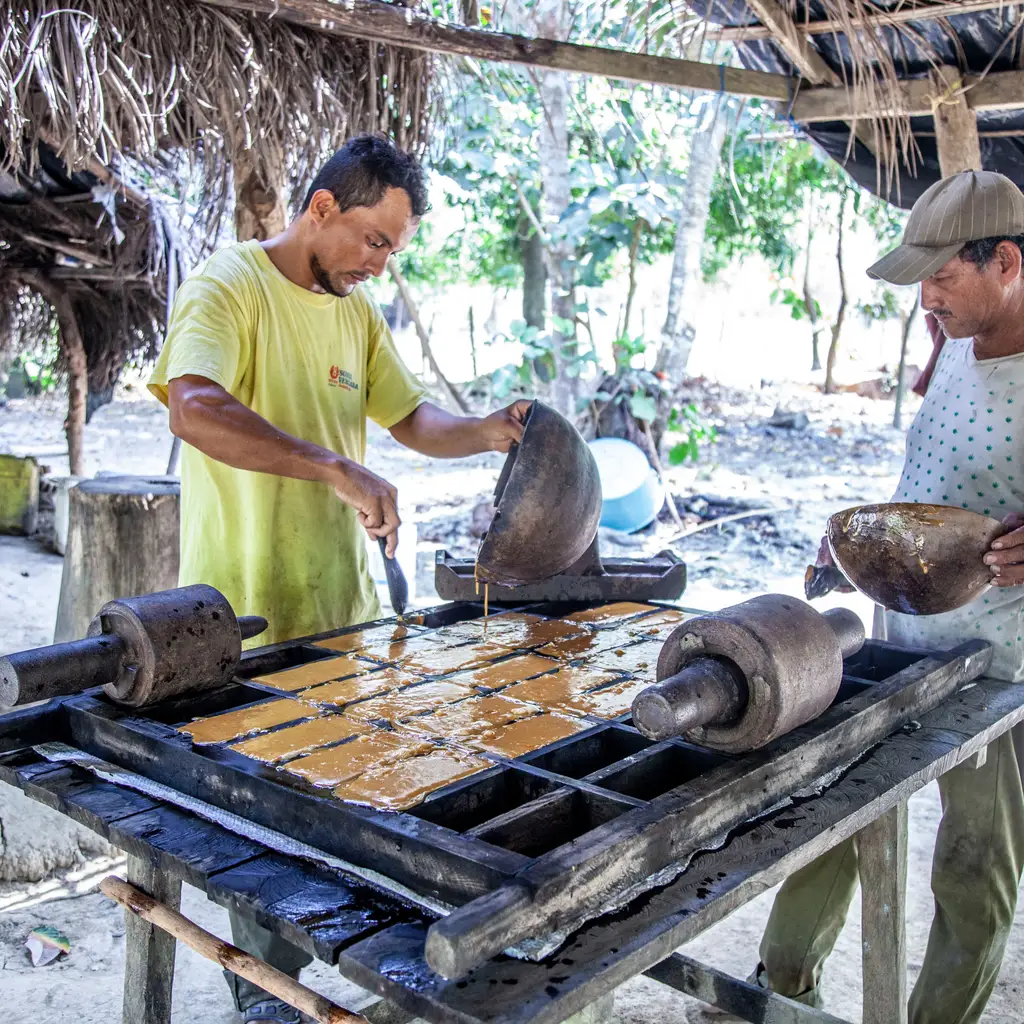
Your mill processes harvested sugar cane through high-pressure boilers and crushing machinery, often running around-the-clock during the harvest campaign. A fire involving sugar dust or a breakdown of a turbine can halt operations when your revenue potential is at its peak.
The Southern Agency can help you review your mill’s campaign dependencies and safety controls to select appropriate insurance. We can assist in assessing your boiler and machinery protection alongside your environmental liability risks.
High-pressure boilers and steam turbines drive the mill, and a failure during campaign can halt crushing, spoil juice in process, and idle the plant.
Drying, conveying, and storing sugar and bagasse generate fine dust that can deflagrate in collectors and silos without strong dust controls.
Because crushing follows the harvest, downtime during a short campaign window can cause outsized revenue loss that is hard to make up later.
Wash-down water, condenser discharge, and bagasse handling create potential pollution and regulatory exposure around the facility.
Crushing tandems, centrifugals, conveyors, and hot evaporator surfaces expose workers to crush, entanglement, and burn hazards.
Perishable cane awaiting processing and warehoused sugar and molasses are exposed to fire, spoilage, and water damage.
Off-spec, contaminated, or microbiologically compromised sugar shipped to food and beverage buyers can lead to rejection and liability claims.
Policies to ask about. Which ones fit depends on your operations, your contracts, and the carrier’s forms.
These hypothetical examples are not agency claim results. Whether a loss is covered depends on the facts, policy terms, and applicable exclusions.
A boiler tube failure stops steam supply during peak crushing. Equipment breakdown coverage may respond to repair and resulting lost income, depending on policy terms and exclusions. Check a covered boiler event, seasonal income inclusion, restoration, and time deductible; lost harvest opportunity is not automatically paid.
Discharge from the plant is alleged to have affected a nearby waterway. An environmental liability policy may respond to cleanup and defense costs, subject to the specific policy and facts. Review insured operations/release, cleanup, and reporting; routine discharge compliance or fines need separate analysis.
A worker is injured servicing a centrifugal during the campaign. Workers' compensation may help with medical and wage benefits, depending on jurisdiction and policy terms. Worker status, state coverage, and servicing facts govern benefits; production pressure does not change eligibility.
Start with the work you do and the questions your current policies leave unanswered. Carrier options depend on your location, risk, and underwriting. Explore our approach.
Equipment breakdown and property are often central given boilers, turbines, and machinery, paired with liability and environmental coverage. The right mix depends on the operation, subject to underwriting.
Because crushing follows the harvest, downtime during the campaign can cause outsized losses. Business income limits should reflect that window, and coverage depends on policy terms.
Environmental liability may respond to discharge or pollution claims that standard liability often excludes. Availability and terms depend on the specific policy and underwriting.
Fine sugar and bagasse dust can deflagrate. Strong housekeeping and explosion controls can affect terms, and property coverage may respond to a covered fire, subject to policy terms.
Sudden mechanical or electrical failure is typically handled by equipment breakdown rather than basic property coverage. Both are commonly carried together, depending on the program.
Food and beverage manufacturers buying bulk sugar often require liability limits and additional insured status. We can help structure a program to meet those terms, subject to underwriting.
Bring your questions, current policies, and relevant contracts. An agent can review coverage terms, exclusions, and the information carriers ask for, then explain the options available to you.