

Formulation and blending errors
An incorrect concentration, ingredient, or preservative level in a syrup batch can render product unsafe or off-spec.
Try a different word, or check the spelling.
Your customer's recipe relies on your syrup concentration and ingredient information. Product liability needs to address those representations without being mistaken for batch replacement or a private-label quality guarantee.
The Southern Agency can help you align your syrup manufacturing risks with a tailored insurance program.
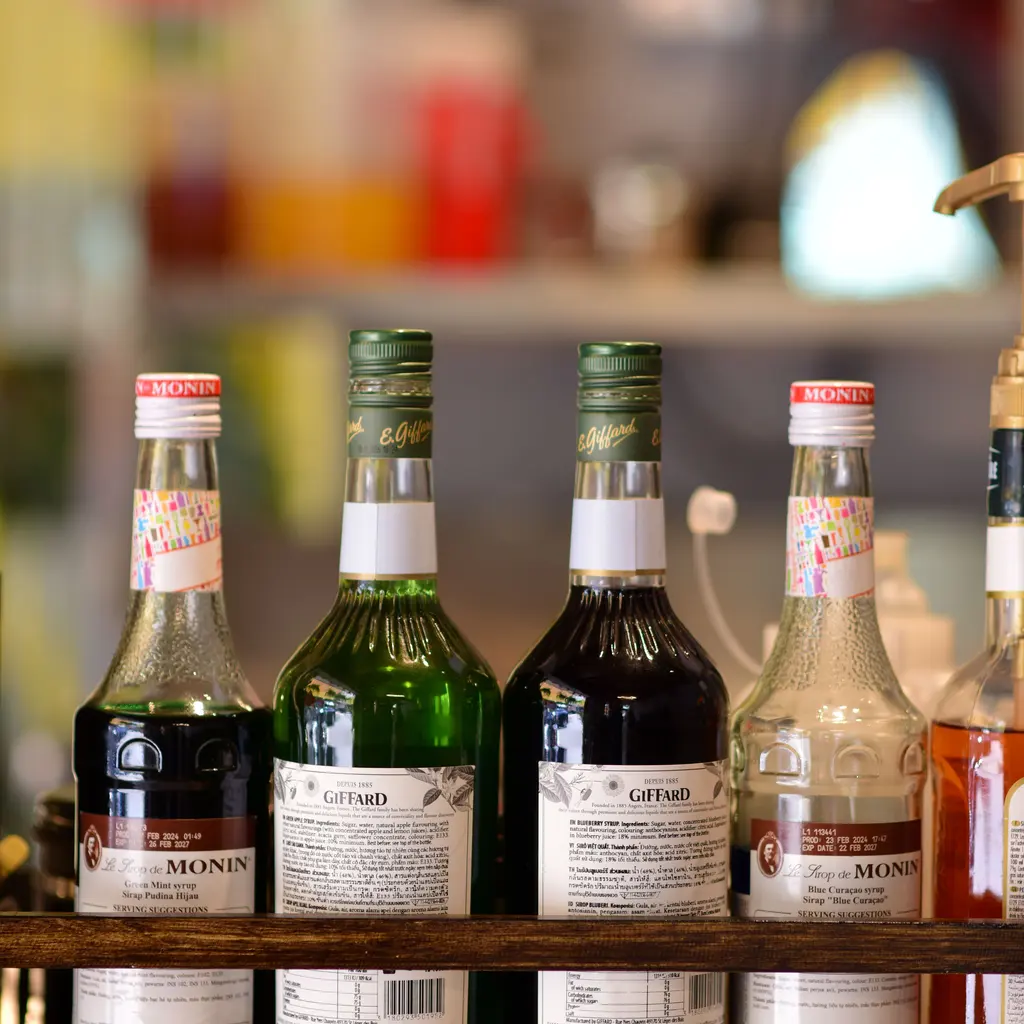
You produce flavoring syrups for beverages and desserts using heated kettles and blending equipment. A formulation error or contamination in your syrup can affect downstream brands, while sticky residues create sanitation challenges.
The Southern Agency can review your production methods and private-label contracts to help select appropriate insurance, such as product liability for labeling or equipment coverage for your bottling lines.
An incorrect concentration, ingredient, or preservative level in a syrup batch can render product unsafe or off-spec.
Flavor systems may contain allergens or additives that, if undeclared or mislabeled, can trigger recalls and breach-of-warranty claims.
Inadequate preservation or fill sanitation can allow mold or fermentation in syrup, leading to spoiled product and customer claims.
Cooking sugar at high temperature creates serious burn exposure for workers and a fire hazard around kettles and heating systems.
Failure of bottling lines, mixers, or pasteurizers can halt production and spoil in-process batches awaiting fill.
Contamination or spoilage of a bulk syrup tank or sugar stock can destroy significant inventory and disrupt the production schedule.
Policies to ask about. Which ones fit depends on your operations, your contracts, and the carrier’s forms.
These hypothetical examples are not agency claim results. Whether a loss is covered depends on the facts, policy terms, and applicable exclusions.
A flavor base containing tree nut is used in syrup labeled allergen-free, and affected bottles are withdrawn. A purchased recall form may help with eligible notification, retrieval or disposal if the ingredient event and syrup are included. A separate covered illness allegation would be a product-liability question; an allergen-free promise or buyer invoice does not expand either policy.
A cafe reports that a syrup batch fermented and demands refunds for bottles and drinks it discarded. Establish whether the cause was formulation, filling or later storage and whether there was injury or damage beyond the syrup. Products and impaired-property restrictions can affect the drinks claim; rejection, refunds and a quality failure alone do not establish an insured recall or covered damage.
A filler breaks down mid-run, spoiling pasteurized syrup awaiting fill. Equipment breakdown coverage may respond to repair and spoilage costs, depending on policy terms. Check covered filler event and in-process syrup inclusion; a formulation error without equipment event differs.
Start with the work you do and the questions your current policies leave unanswered. Carrier options depend on your location, risk, and underwriting. Explore our approach.
Formula, allergen, and lot-release controls help identify potential downstream loss. Compare actual injury/property allegations, rejected-product refunds, and recall expenses separately.
Often yes. Brand owners frequently require product liability limits and indemnity. We can help structure coverage to meet those agreements, though availability depends on underwriting.
Yes. Flavor and color systems can contain allergens that, if undeclared, drive recalls. Strong labeling controls support underwriting, and product liability may respond, subject to policy terms and exclusions.
Equipment breakdown coverage may respond when mixers, fillers, or pasteurizers fail, helping with repair and spoiled syrup, depending on policy terms and underwriting.
If spoilage results from a covered cause such as equipment failure, coverage may respond. Pure quality or formulation errors are treated differently, so terms depend on the specific policy.
Workers face hot-sugar burns, lifting strain, and machinery exposure, so workers' compensation is commonly required and often legally mandated, subject to your state's rules.
Bring your questions, current policies, and relevant contracts. An agent can review coverage terms, exclusions, and the information carriers ask for, then explain the options available to you.