

Allergen cross-contact and labeling errors
Lines running tree nuts, peanuts, and milk create cross-contact risk, and a labeling failure can trigger recalls and injury claims from sensitive consumers.
Try a different word, or check the spelling.
Your holiday run can depend on a tempering machine holding the right conditions while recipes change between products. Machinery and stock protection need to fit that production, separately from allergen liability or a product withdrawal.
The Southern Agency can help you match property, product, and equipment protection to your allergen-heavy recipes and production cycles.
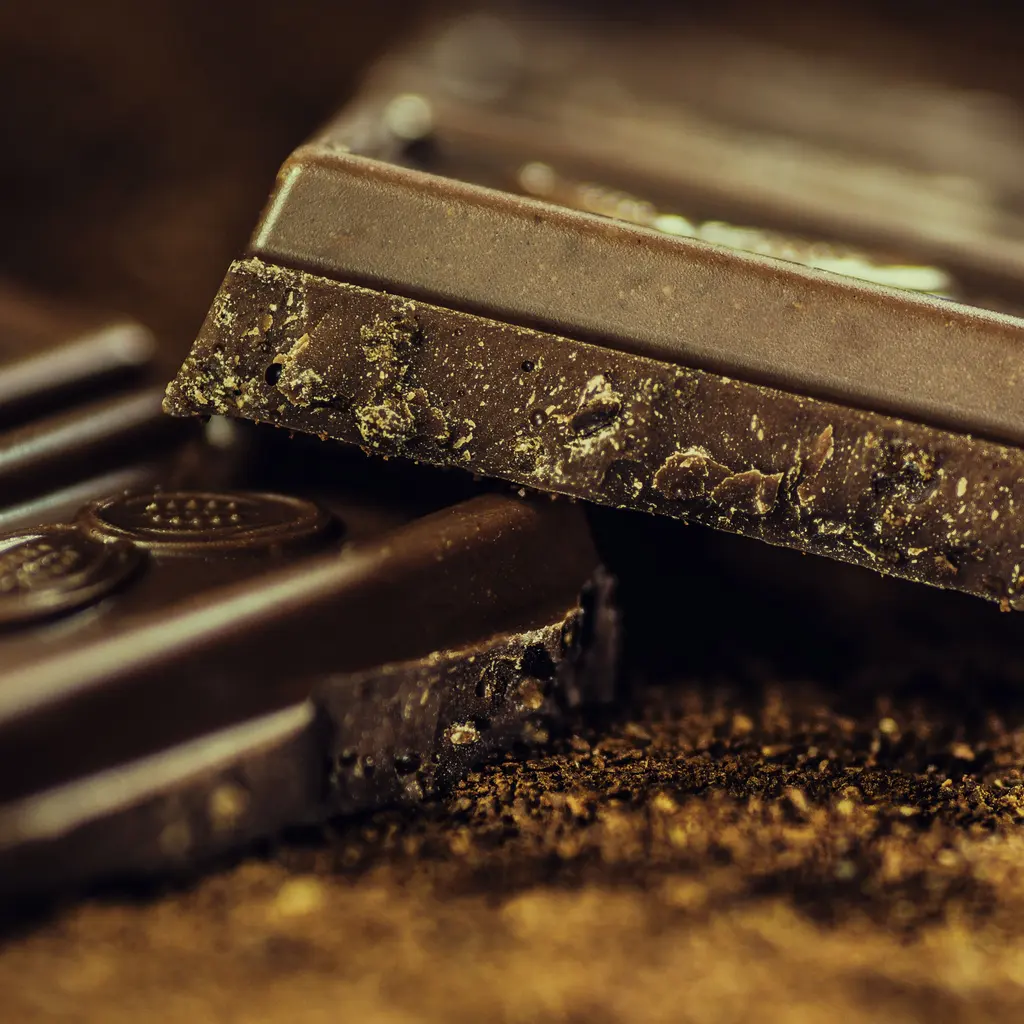
You make chocolate bars, filled pieces or coated confections, tempering and cooling product as recipes and seasonal orders change. Roasting and grinding may also be part of your process if you start with beans. A chiller failure can ruin holiday stock, while a shared-ingredient or label error can affect several finished lines.
The Southern Agency can review your actual production stages, peak stock and recipe or label responsibilities to help you choose insurance. We can compare cooling-failure and income terms with product-injury protection and separately purchased recall expenses, then consider excess limits for accepted liabilities.
Lines running tree nuts, peanuts, and milk create cross-contact risk, and a labeling failure can trigger recalls and injury claims from sensitive consumers.
Foreign material or contamination in chocolate confections can require pulling product from retailers and gift channels, driving withdrawal, and replacement costs.
Tempering machines, enrobers, and conches must hold precise temperatures, and a failure can spoil batches and stall time-sensitive holiday runs.
Holiday production leaves the plant holding high-value finished confections vulnerable to fire, melting, or refrigeration loss at peak value.
Storage that runs too warm or loses cooling can melt or bloom chocolate, rendering finished product unsellable.
Hot kettles, roasting equipment, conveyors, and cocoa dust expose staff to burns, entanglement, and respiratory hazards.
Grocery, gift, and specialty buyers frequently require liability limits and additional insured status before stocking confections.
Policies to ask about. Which ones fit depends on your operations, your contracts, and the carrier’s forms.
These hypothetical examples are not agency claim results. Whether a loss is covered depends on the facts, policy terms, and applicable exclusions.
A run of truffles is found to contain undeclared peanut traces and is recalled from retailers. Product and recall-related coverage may help with withdrawal and injury costs, depending on policy terms and endorsements. Confirm eligible recall trigger, products, and expense options; withdrawal/replacement does not follow automatically from products liability.
A chiller fails during a heat wave and melts finished holiday inventory. Equipment breakdown with spoilage coverage may respond to the loss, subject to the specific policy and exclusions. Check covered chiller event, spoilage inclusion, and peak valuation; bloom or lost holiday sales alone does not establish cover.
An employee is burned by hot chocolate near a tempering kettle. Workers' compensation may help with medical and wage benefits, depending on jurisdiction and policy terms. State/employment arrangements and work-related injury terms apply; not every contractual payment is a compensation benefit.
Start with the work you do and the questions your current policies leave unanswered. Carrier options depend on your location, risk, and underwriting. Explore our approach.
Confectioners commonly carry product liability, commercial property, equipment breakdown, general liability, and workers' compensation. The right mix depends on allergens and volume, subject to underwriting.
Map shared nut/milk ingredients and packaging changes across seasonal labels and lots. Products liability concerns covered harm to others. Withdrawal and first-party contamination/recall costs need a specifically eligible event, products, and purchased expenses; ordinary spoilage, rework or a quality rejection is not automatic cover.
Equipment breakdown with spoilage coverage may respond when a covered cooling failure ruins chocolate. Coverage depends on policy terms and limits reflecting peak seasonal value.
Holiday peaks concentrate value in finished stock. Property limits should reflect those peaks rather than average inventory, and coverage depends on the specific policy.
Grocery, gift, and specialty buyers often require liability limits and additional insured status. We can help structure a program to meet those terms, subject to underwriting.
Sudden mechanical or electrical failure of tempering and cooling equipment is typically handled by equipment breakdown rather than basic property. Both are commonly carried together.
Bring your questions, current policies, and relevant contracts. An agent can review coverage terms, exclusions, and the information carriers ask for, then explain the options available to you.