

Severe allergen liability
Peanut and tree-nut allergens can cause severe reactions, so an undeclared allergen or cross-contact event can lead to serious injury claims.
Try a different word, or check the spelling.
Your retailer's guarantee and label requirements can follow the same product through roasting, grinding, and filling. Product protection needs to distinguish actual injury claims from withdrawal, rejection or a promise to replace the buyer's stock.
The Southern Agency can help you align allergen control, product liability, and equipment coverage with your processing plant's needs.
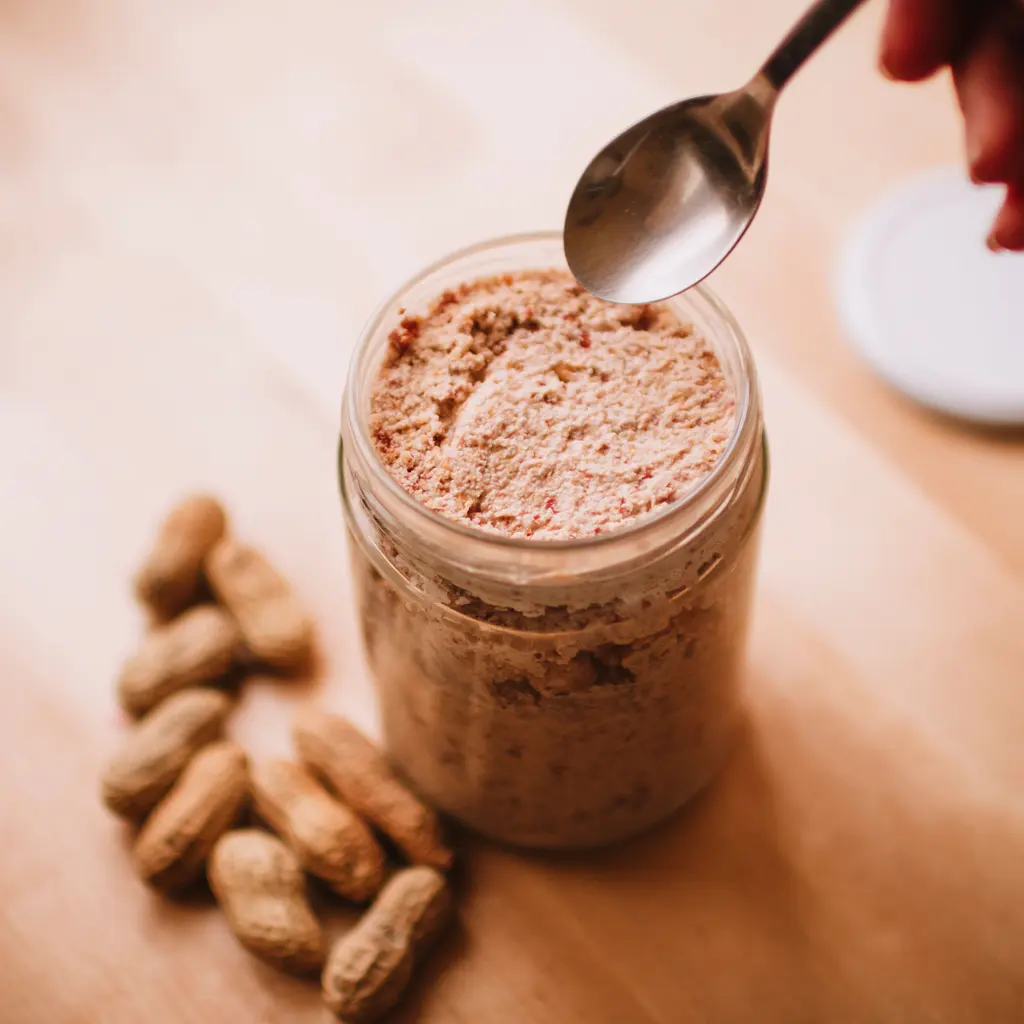
Your facility cleans, roasts, and blends nuts into spreads and snacks. The risk of cross-contact with allergens means that a single mislabel or handling error can trigger large-scale recalls and injury claims.
The Southern Agency can review your roasting, packaging, and quality-control processes to help you select appropriate insurance. We can help you evaluate coverage for fire risks in roasting ovens and liability for allergen-related claims.
Peanut and tree-nut allergens can cause severe reactions, so an undeclared allergen or cross-contact event can lead to serious injury claims.
A labeling error, salmonella, or aflatoxin finding can force withdrawal of widely distributed product and drive heavy recall costs.
Roasting ovens and hot oils create fire risk to the plant and burn exposure for the staff operating them.
Oily nuts and butters can go rancid or suffer pest and aflatoxin contamination if storage and handling slip.
Failure of grinders, blenders, or fillers can halt production and spoil in-process batches before completion.
Retail and private-label buyers commonly require continuing guarantees, added-insured status, and minimum limits.
Roasting heat, grinders, and conveyors expose plant staff to burns, entanglement, and repetitive-motion injuries.
Policies to ask about. Which ones fit depends on your operations, your contracts, and the carrier’s forms.
Ready to compare options?
Get a quote for Roasted Nut and Peanut Butter Producer Or call 1-800-777-1TSAThese hypothetical examples are not agency claim results. Whether a loss is covered depends on the facts, policy terms, and applicable exclusions.
Cross-contact introduces an undeclared tree-nut allergen and a consumer has a severe reaction. Product liability and recall coverage may respond, depending on policy terms and the facts. Separate covered allergic harm from eligible recall expenses and own-product replacement.
A roasting oven fire damages production space and halts output. Property, equipment breakdown, and business income coverage may help, subject to the specific policy and cause. Identify covered fire versus equipment event and purchased income; not all loss belongs to both policies.
A routine test detects Salmonella and finished peanut butter is pulled from shelves before any reported illness. Purchased recall terms may address eligible response costs if the event and products qualify. Notification and retrieval, replacing jars and lost sales can have different expense grants; product liability does not pay all of them merely because a test is positive.
Start with the work you do and the questions your current policies leave unanswered. Carrier options depend on your location, risk, and underwriting. Explore our approach.
Peanut and tree-nut allergens can cause severe reactions, so an undeclared allergen can lead to serious injury claims. Product liability may respond, subject to policy terms and the facts.
Trace post-roast lots, shared ingredients, and private labels before estimating affected products. Products liability concerns covered harm to others, not automatically withdrawal. Recall/contamination cover needs an eligible event, insured product and purchased expenses; quality rejection, refunds, rework and routine spoilage are not automatic cover.
Property coverage may respond to fire damage from roasting operations, and business income may address downtime, depending on policy terms and the cause of loss.
Depending on the cause, spoilage or contamination of stored nuts may be addressed under property or related coverage. Coverage depends on the specific policy and circumstances.
Often yes. Brand owners commonly require continuing guarantees, added-insured status, and minimum limits. We can help structure coverage to meet those terms, subject to underwriting.
Most states require workers' compensation for employees, and nut processing involves heat and machinery exposure. Requirements depend on your state and operations.
Bring your questions, current policies, and relevant contracts. An agent can review coverage terms, exclusions, and the information carriers ask for, then explain the options available to you.