

Roaster and chaff fires
High-heat roasting and accumulated chaff in roasters, trays, and ductwork create a fire exposure.
Try a different word, or check the spelling.
Your imported raw stock, finished blends, and online orders create different property and customer responsibilities. Protection for those interests should follow the route through roasting or blending to wholesale and direct sales, including any cafe you operate.
The Southern Agency can help you match property, product, and equipment protection to your roasting hazards and inventory storage.
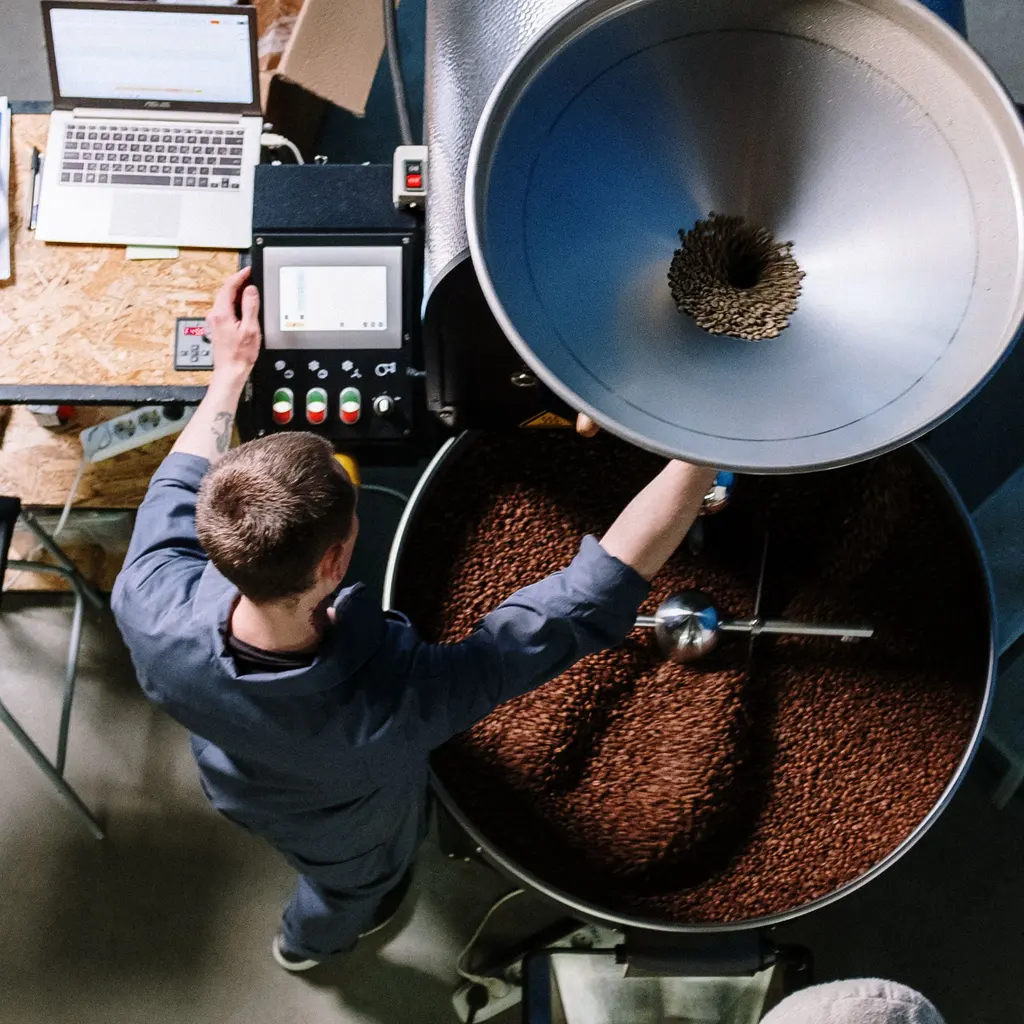
You source beans or tea to roast, blend or package, with work ranging from high-heat coffee roasting to dry blending and storage. Chaff fire matters where you roast; ingredient contamination, raw-stock damage and stopped packing can affect either product, with customer-facing duties if you also run a cafe.
The Southern Agency can review your actual roasting or blending steps, storage and sales to help you compare insurance. We can distinguish product claims from machinery and stock interests, including transit, online data and any cafe duties you retain.
High-heat roasting and accumulated chaff in roasters, trays, and ductwork create a fire exposure.
Large stores of imported raw product concentrate value exposed to fire, smoke, water, moisture, and pest damage.
Foreign material, undeclared allergens in flavored blends, or mislabeling can require pulling product from wholesale and retail channels.
Roasters, grinders, and packaging lines are costly and central to output, and a failure can stall production and orders.
Producers operating cafes or tasting rooms add customer foot traffic, hot-beverage burns, and food-service exposure to the operation.
Hot roasters, repetitive packaging tasks, and material handling expose staff to burns, strains, and machinery hazards.
Selling through e-commerce and wholesale accounts spreads product across many customers and may trigger contractual insurance requirements.
Policies to ask about. Which ones fit depends on your operations, your contracts, and the carrier’s forms.
These hypothetical examples are not agency claim results. Whether a loss is covered depends on the facts, policy terms, and applicable exclusions.
Chaff ignites in a roaster and smoke spreads through the roastery. Commercial property coverage may help with repairs, cleanup, and damaged inventory, depending on policy terms and the facts. Check covered fire/smoke cause, protective conditions, and stock valuation; ordinary moisture/pest damage is a different issue.
A flavored tea blend is found to contain an undeclared allergen and is recalled from wholesale accounts. Product and recall-related coverage may respond, subject to the specific policy and endorsements. Compare a separate recall trigger/expenses with covered consumer harm; a withdrawn blend does not automatically establish product-liability damages.
A customer in the tasting-room cafe is burned by a spilled hot beverage and brings a claim. General liability may respond to medical and liability costs, depending on policy terms. Review declared cafe service and burn facts; product withdrawal and alcohol liability are different questions.
Start with the work you do and the questions your current policies leave unanswered. Carrier options depend on your location, risk, and underwriting. Explore our approach.
Roasters run hot and generate chaff that can ignite in equipment and ductwork. Property coverage may respond to a covered fire, subject to underwriting and chaff controls.
Commercial property coverage commonly extends to green beans and bulk tea. Limits should reflect peak imported stock, and coverage depends on the specific policy and exclusions.
Product liability may help respond to contamination or allergen claims regardless of channel, since product reaches consumers. The right approach depends on operations, subject to underwriting.
Customer foot traffic and food service add liability exposure, including hot-beverage burns. General liability commonly responds, and any alcohol service may require liquor liability, depending on policy terms.
E-commerce introduces payment and personal data exposure. Cyber coverage may help with breach response and liability, depending on the specific policy and how data is handled.
A business owners policy can bundle property and liability for smaller operations, but roasting and inventory exposures may call for added coverages, subject to underwriting.
Bring your questions, current policies, and relevant contracts. An agent can review coverage terms, exclusions, and the information carriers ask for, then explain the options available to you.