

Product contamination and adulteration
Pathogen presence, foreign material, or adulterated raw spices can move into many downstream food products before detection.
Try a different word, or check the spelling.
Your ingredient lot can enter several customers' recipes before a problem is identified. Product and recall protection need to recognize that downstream reach, while the extraction method shapes separate property and environmental needs.
The Southern Agency can help you align your complex manufacturing processes with suitable coverage options.
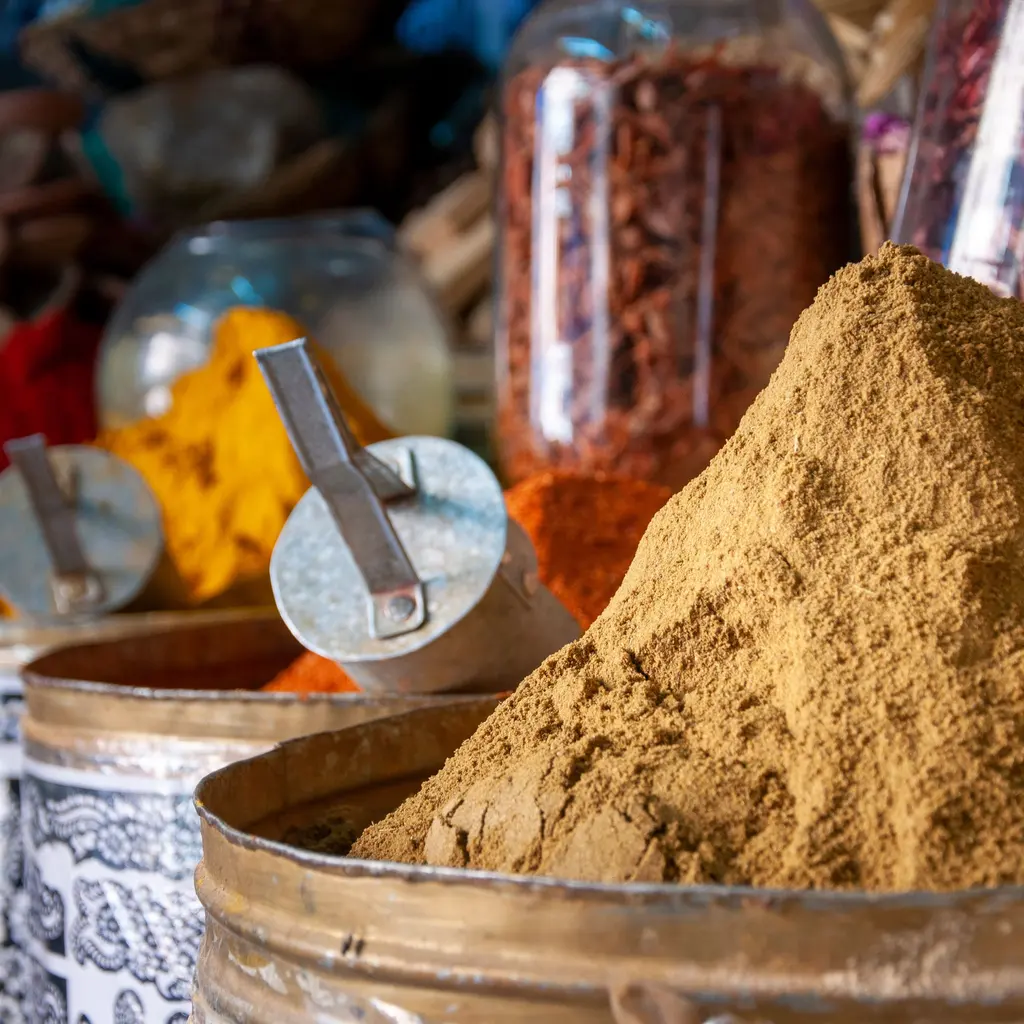
You prepare spices and extracts that become ingredients in other companies' food products. Grinding, blending and any solvent extraction bring different plant hazards. A contaminated or mislabeled lot can also reach several buyers before anyone identifies the problem.
The Southern Agency can review your processing methods and storage of raw botanicals to help choose insurance, such as environmental liability for solvent use or property protection for your milling equipment.
Pathogen presence, foreign material, or adulterated raw spices can move into many downstream food products before detection.
Shared grinding and blending lines create cross-contact risk, and a mislabeled allergen can prompt recalls and bodily-injury claims.
Fine particulate from grinding and milling can accumulate and ignite, creating serious fire and deflagration exposure in processing areas.
Ethanol or solvent-based extraction introduces flammable-liquid handling and elevated fire risk that affects property and liability terms.
A suspect lot may require notification, retrieval, and destruction across multiple customers, generating substantial first-party recall expense.
Failure of dryers, grinders, or extraction units can halt production and spoil temperature- or moisture-sensitive inventory.
Buyers often impose indemnity, insurance, and quality requirements, shifting responsibility for defective ingredient lots onto the manufacturer.
Policies to ask about. Which ones fit depends on your operations, your contracts, and the carrier’s forms.
These hypothetical examples are not agency claim results. Whether a loss is covered depends on the facts, policy terms, and applicable exclusions.
A blended seasoning is found to contain an undeclared allergen from a shared line, prompting a recall across several buyers. Product liability and recall-related coverage may respond, depending on policy terms and endorsements. Separate covered harm from eligible multi-buyer recall/expenses; shared-line allergen discovery does not establish all costs.
Accumulated dust ignites in a grinding area and damages equipment and stock. Commercial property coverage may help with repairs and lost inventory, subject to the specific policy and exclusions. Review covered dust/fire, protective controls, and stock valuation; contamination disposal is separate.
An extraction unit fails mid-run, stopping output and spoiling in-process material. Equipment breakdown coverage may respond to repair and resulting loss, depending on policy terms. Check covered extractor event, in-process stock/income inclusion; failed extraction yield or quality rejection alone differs.
Start with the work you do and the questions your current policies leave unanswered. Carrier options depend on your location, risk, and underwriting. Explore our approach.
Seasonings and extracts move into many downstream products, so a contaminated or mislabeled lot can affect numerous customers. Product liability may help respond to resulting claims, subject to policy terms.
Yes. Ethanol or solvent extraction raises fire and pollution exposure, which influences property and environmental coverage terms. Coverage availability depends on underwriting and your handling controls.
Grinding and milling generate fine dust that can ignite, so insurers commonly review housekeeping and fire protection. Strong controls may affect insurance terms, depending on the policy.
Trace raw botanical, treatment, and shared-blend lots into each customer formulation. Products liability concerns covered harm to others, not automatically withdrawal. Recall/contamination cover needs an eligible event, insured product, and purchased expenses; quality rejection, refunds, rework, and routine spoilage are not automatic cover.
Food processors and retailers often require certificates and minimum limits in supply agreements. We can help structure coverage to meet those terms, though availability depends on underwriting.
Grinders, dryers, and extractors are critical to production. Equipment breakdown coverage may respond when they fail, helping with repair and resulting loss, depending on policy terms.
Bring your questions, current policies, and relevant contracts. An agent can review coverage terms, exclusions, and the information carriers ask for, then explain the options available to you.