

Robbery and on-premises crime
Review armed robbery, burglary and employee-theft exposure around cash registers, any ATMs and actual operating hours.
Try a different word, or check the spelling.
Your register cash, ATM cash, and shelf stock may belong to different people. Crime and property terms need to reflect those interests and your actual hours, without assuming every shortage or theft is included.
The Southern Agency can help you select insurance that covers your store's building, inventory, and operational risks.
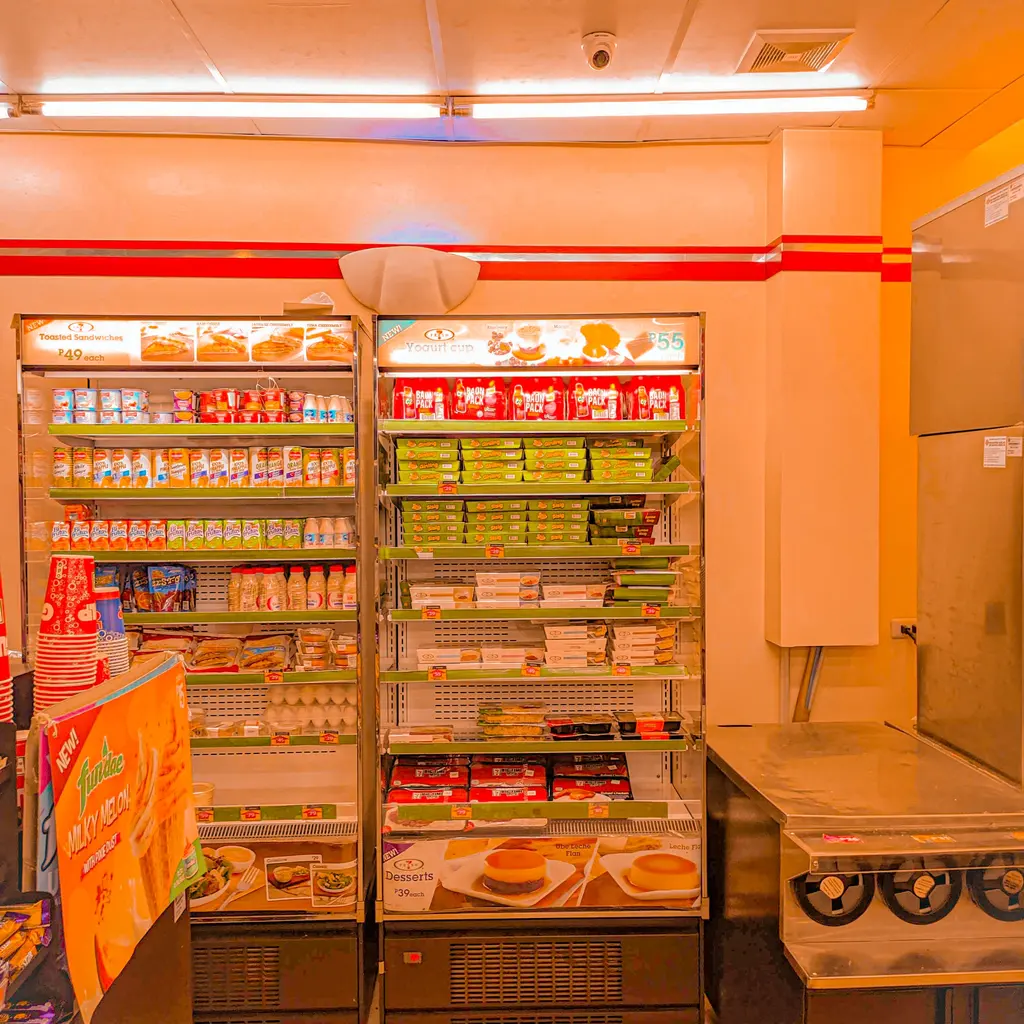
You keep everyday essentials close at hand, from chilled drinks to packaged food. Customer traffic, cash handling and refrigerated stock bring different insurance needs, especially if you stay open late or also sell fuel and alcohol.
The Southern Agency can help you review your security, refrigeration, and customer-facing risks to select appropriate insurance, such as crime coverage for your cash or equipment breakdown for your coolers.
Review armed robbery, burglary and employee-theft exposure around cash registers, any ATMs and actual operating hours.
Spilled drinks, wet entryways, and crowded aisles expose stores to bodily-injury claims from a high volume of daily customers.
Cooler and freezer failures or power outages can spoil beverages, dairy, and grab-and-go food before it can be sold.
Selling tobacco, beer, and lottery tickets carries compliance risk and potential liability if products reach underage buyers.
Stores with pumps face spill, dispenser, and underground storage tank pollution risks that standard property forms may exclude.
Grab-and-go items, coffee stations, and small deli counters create foodborne-illness and burn-injury exposure.
Clerks lifting cases, stocking shelves, and working alone at night carry injury exposure that drives workers' compensation needs.
Policies to ask about. Which ones fit depends on your operations, your contracts, and the carrier’s forms.
These hypothetical examples are not agency claim results. Whether a loss is covered depends on the facts, policy terms, and applicable exclusions.
A store is robbed during an overnight shift and cash is taken from the register. A crime policy may respond to the loss of money, depending on policy terms and the facts of the incident. Check insured money ownership/location and limit; worker injury and stock theft are separate.
A compressor fails over a weekend and the beverage and dairy coolers warm above safe temperatures. Equipment breakdown coverage may help with spoiled stock and repairs, subject to the specific policy and exclusions. Confirm covered compressor/utility cause and stock valuation; stale stock is different.
A customer slips on a wet entry mat and is injured. General liability coverage may respond to medical and liability costs, depending on policy terms. Review entry-area responsibility and injury facts; accident alone does not prove liability.
Start with the work you do and the questions your current policies leave unanswered. Carrier options depend on your location, risk, and underwriting. Explore our approach.
Most stores carry a business owners policy or property and general liability, plus crime and workers' compensation. Fuel and alcohol sales add further needs, subject to underwriting.
Often yes. Selling beer or wine for off-premises consumption can still create liability, so liquor liability is commonly needed, subject to policy terms.
Crime coverage may respond to robbery and employee theft of money up to your selected limit. Coverage depends on the specific policy terms, endorsements, and exclusions.
Equipment breakdown or spoilage coverage may help when refrigeration fails, depending on policy terms. Limits should reflect the value of perishable inventory you carry.
Yes. Dispensing fuel adds spill and underground tank exposures that standard property forms may exclude, so environmental coverage is often considered, depending on operations.
It can be. Extended and overnight hours often raise robbery and injury exposure, which may affect terms and pricing, depending on underwriting and location.
Bring your questions, current policies, and relevant contracts. An agent can review coverage terms, exclusions, and the information carriers ask for, then explain the options available to you.