Skip to content

Wine And Liquor Store Insurance

Your responsibility as a seller does not necessarily stop when a sealed bottle leaves the shop. Liquor protection needs to fit packaged sales and any tastings, separately from insuring fragile or premium stock.

The Southern Agency can help you protect your shop's inventory and manage your alcohol-related risks.

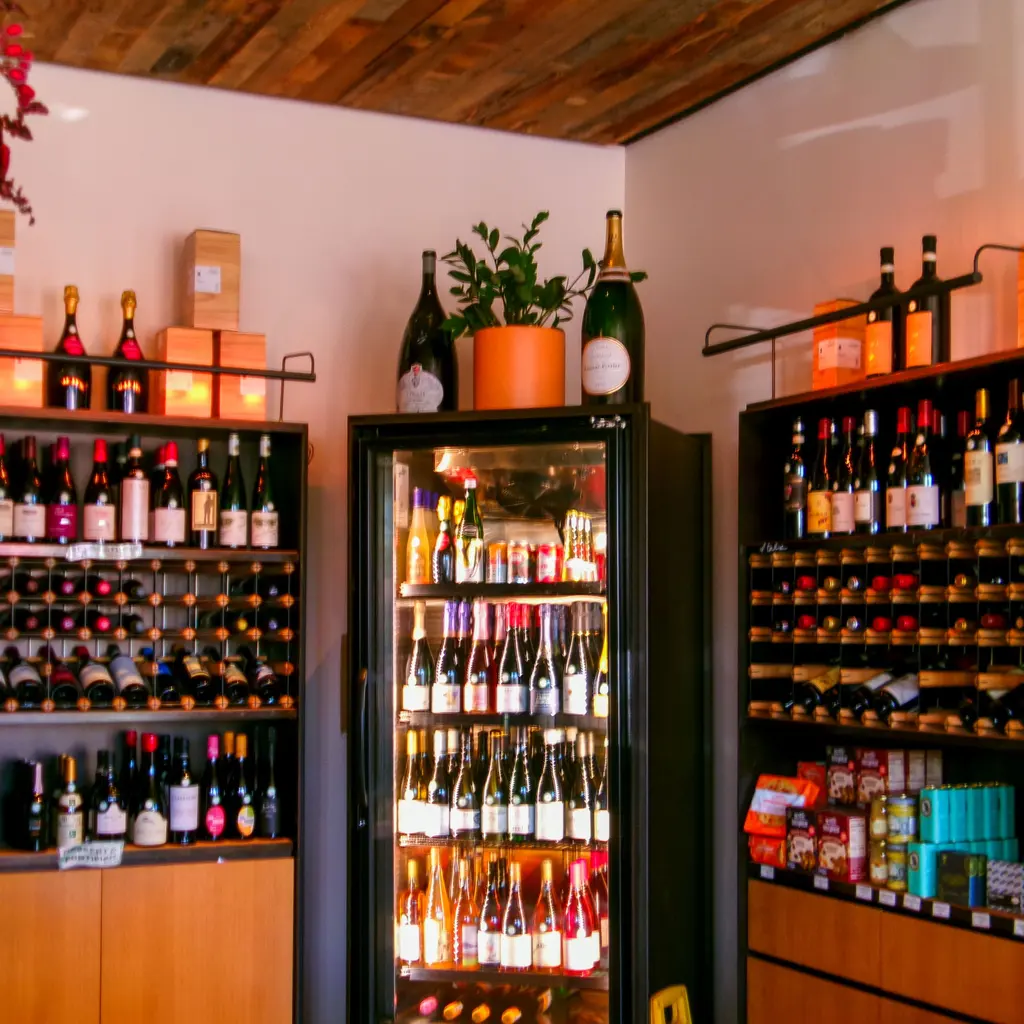
Wine bottles fill retail racks and a glass-door cooler in a small wine shop.

Industry overview

You operate a retail store selling packaged alcohol. Theft or breakage can impact your inventory, and alcohol sales create potential liability risks even when consumption happens away from your premises.

The Southern Agency can review your store's sales and storage practices to help select insurance, such as property protection for your premium bottles or liquor liability for your operations.

Risks worth discussing

Liquor liability from packaged sales

A packaged sale to an intoxicated or underage buyer can prompt harm allegations and licensing consequences even when consumption occurs elsewhere. Actual seller duties and liability vary by jurisdiction and facts.

Theft of high-value bottles

Small, premium spirits and rare wines are exposed to shoplifting and organized retail theft.

Breakage of glass inventory

Bottles are fragile and can be lost to handling accidents, shelf collapse, or events like earthquakes.

Age-verification and compliance risk

Strict licensing and ID requirements mean a sales error can trigger fines, suspensions, or liability.

Burglary and cash exposure

High-value stock and cash on hand make package stores attractive targets for after-hours burglary and robbery.

Tasting and event liability

Stores that host tastings introduce on-premises consumption exposure and added liquor liability concerns.

Situations to think through

These hypothetical examples are not agency claim results. Whether a loss is covered depends on the facts, policy terms, and applicable exclusions.

  1. Hypothetical: Hypothetical: sale to an intoxicated customer

    A buyer who was visibly intoxicated later causes harm, and a claim is brought against the store. A liquor liability policy may respond, depending on policy terms and the facts of the incident. Review state duty, actual sale, and exclusions; later harm alone does not establish insured liability.

  2. Hypothetical: Hypothetical: after-hours burglary

    Thieves break in overnight and take premium spirits and cash. Property and crime coverage may respond to the loss, subject to the specific policy, endorsements, and exclusions. Separate bottle stock from cash theft, limits, security, and proof; no automatic combined reimbursement.

  3. Hypothetical: Hypothetical: shelf collapse breaks inventory

    A shelf gives way and a large volume of bottles is destroyed. Property coverage may help with the damaged inventory, depending on policy terms and exclusions. Confirm a covered collapse/breakage cause, values, and deductible/exclusions; shelf failure alone does not establish every stock loss.

Before you talk to an agent

What to have ready

Tick items as you gather them. Nothing here is saved or sent.

Questions to raise

  • List packaged, tasting, online and delivery sales with locations and entities. Compare accepted seller/service duties and local requirements rather than assume sealed bottles end liquor exposure.
  • Value premium and seasonal stock with supportable records and custody locations. Retail scarcity or expected margin is not automatically insured value.
  • Separate customer theft, burglary, employee dishonesty and cash movement. Compare actual property/crime grants, limits, proof and security conditions rather than treating all missing bottles as the same theft.
  • Describe racks, bottle handling and transit arrangements. Compare actual breakage, collapse and earthquake causes separately; fragile stock alone does not establish a covered accident.
  • Bring actual license/lease requirements and age-check/tasting procedures. Compare claims protection separately from keeping a license, compliance costs or regulatory fines.

Contract terms to check

  • Review actual license/lease and tasting/delivery responsibilities.
  • Compare bottle breakage, collapse/earthquake, theft, and money limits; scarcity/retail price is not automatically insured valuation.

What the agent conversation looks like

Start with the work you do and the questions your current policies leave unanswered. Carrier options depend on your location, risk, and underwriting. Explore our approach.

  1. ListenReview your operations, current coverage, and past claims.
  2. AssessIdentify potential hazards and discuss ways to reduce risk.
  3. BuildDiscuss policy and carrier options, premium costs, and audits.
  4. SupportReview changes and help you plan ahead as your needs develop.

Questions owners ask

Do I need liquor liability if customers don't drink on site?

Packaged sales can still lead to allegations after a buyer leaves. Review actual seller duties, jurisdictions, license/lease requirements and accepted liquor-business terms. This is not a universal purchase rule, and ordinary host-liquor protection should not be assumed sufficient.

How is high-value bottle inventory protected?

Property coverage may help with theft, fire, and damage to inventory, including premium stock. Limits should reflect peak and rare inventory values, depending on policy terms.

Is breakage of bottles covered?

Coverage for breakage varies by policy and cause of loss. Some events like shelf collapse may be covered, while others may need specific terms, depending on the specific policy.

What about theft of premium spirits?

Property and crime coverage may respond to shoplifting and burglary of high-value stock, up to your limits. Coverage depends on the specific policy and exclusions.

Does hosting tastings change my coverage?

Yes. Tastings add on-premises consumption exposure, so liquor liability terms should reflect that activity, depending on operations and underwriting.

Do I need cyber coverage if I sell online?

It depends. Selling online means handling payment data, so cyber coverage may be considered to help with breach response and liability, depending on the specific policy.

Talk through your wine and liquor store coverage

Bring your questions, current policies, and relevant contracts. An agent can review coverage terms, exclusions, and the information carriers ask for, then explain the options available to you.

How can we help you get started?

Choose the quote that fits, and we’ll take it from there.

Have a question? Contact us