

Fire and explosion from high-proof spirits
Flammable distillate, alcohol vapor, and heated stills create serious fire and explosion exposure throughout production.
Try a different word, or check the spelling.
Your barrel stock can accumulate value while the spirits mature, well before a bottle is sold. Property valuation deserves its own discussion alongside liquor and product liability, rather than relying on the purchase cost of ingredients.
The Southern Agency can help you evaluate your distillery's production and tasting room hazards to select appropriate insurance.
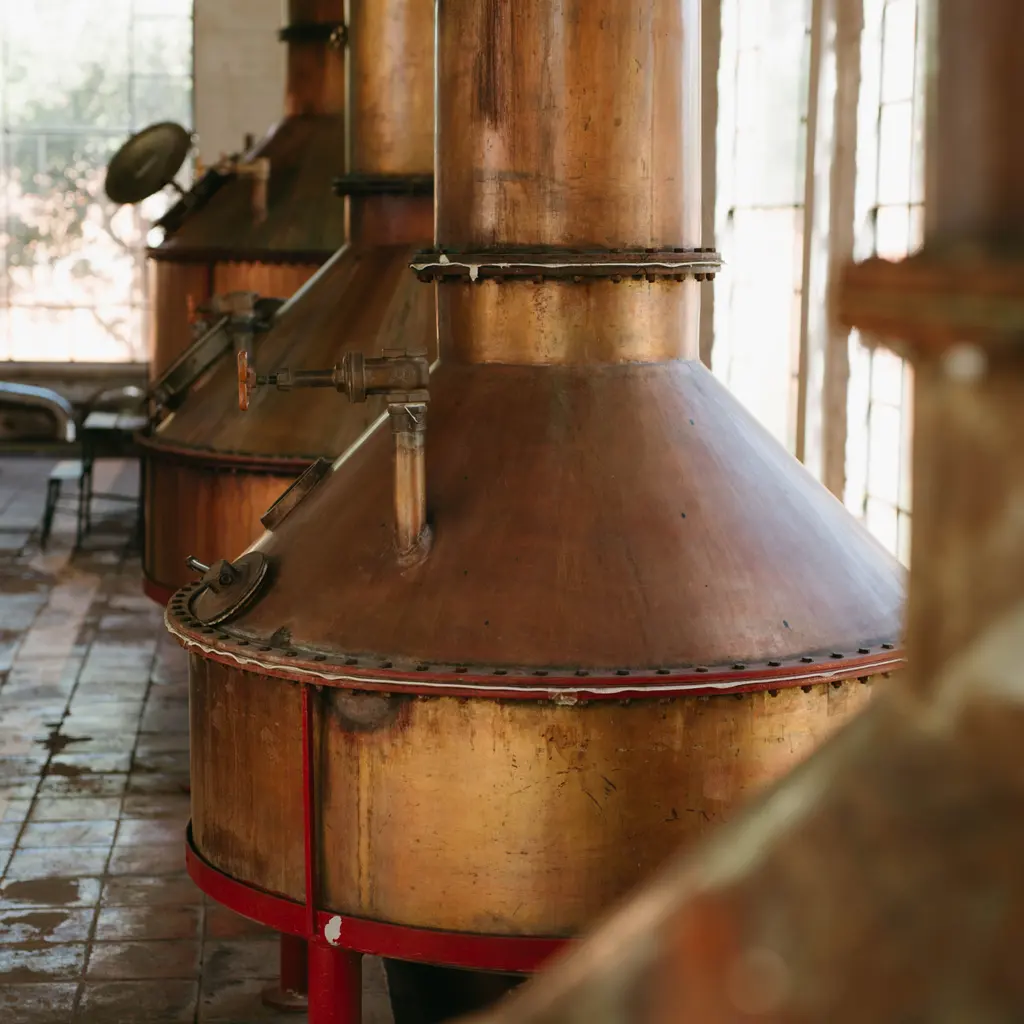
You use heat to convert ingredients into high-proof spirits, managing bottling lines and aging inventory. Vapor or flammable alcohol can fuel fires, while a tasting room or distillery tour can expose visitors to potential injuries.
The Southern Agency can review your production heat sources and visitor activities to help select appropriate insurance, such as property coverage for your still house or general liability for tasting events.
Flammable distillate, alcohol vapor, and heated stills create serious fire and explosion exposure throughout production.
Barrels of maturing spirits hold concentrated value that a single fire, leak, or rack collapse can destroy.
Serving potent spirits on-site can make the distillery liable for harm caused by an intoxicated patron.
Bottled spirits that are contaminated, mislabeled, or improperly proofed can lead to consumer claims or recall.
Failure of stills, boilers, or bottling equipment can halt production and interrupt aging and packaging schedules.
Staff work around hot vessels, pressure systems, and flammable liquids, raising burn and injury risk.
Policies to ask about. Which ones fit depends on your operations, your contracts, and the carrier’s forms.
These hypothetical examples are not agency claim results. Whether a loss is covered depends on the facts, policy terms, and applicable exclusions.
A fire ignites near the still and spreads to nearby equipment and stored distillate. Commercial property coverage may respond to the damage, depending on policy terms and protective controls. Review insured process/location, fire and protective terms; aging valuation/income are separate.
A rack collapse damages dozens of aging barrels. Property coverage may respond to the value of the lost spirits, subject to policy terms, valuation, and exclusions. Check covered collapse/leakage and spirits valuation; scarcity/retail price is not automatically insured value.
A guest is over-served in the tasting room and is later involved in an off-site incident. Liquor liability coverage may respond to resulting claims, depending on policy terms. Check accepted service, state duty and exclusions; later accident alone does not establish payment.
Start with the work you do and the questions your current policies leave unanswered. Carrier options depend on your location, risk, and underwriting. Explore our approach.
High-proof spirits and heated stills produce flammable vapor, creating serious fire and explosion exposure. Property and liability coverage should reflect that, subject to underwriting and controls.
Barrels of maturing spirits hold concentrated value and should be valued carefully for property limits. Coverage depends on the specific policy, valuation method, and exclusions.
Review alcohol-business liability for actual tasting/service and local licensing/contracts; requirements vary and ordinary host-liquor is not assumed sufficient.
Confirm actual products/liquor underlying schedules and exclusions; ordinary excess does not raise stock/property or recall limits.
Equipment breakdown coverage may help with repair and lost production when stills, boilers, or bottling equipment fail, depending on policy terms and the cause of loss.
Product liability may respond to injury claims from contaminated or improperly proofed spirits reaching consumers, depending on the specific policy and endorsements.
Bring your questions, current policies, and relevant contracts. An agent can review coverage terms, exclusions, and the information carriers ask for, then explain the options available to you.