

Rickhouse fire and collapse
Concentrated barrel storage means a warehouse fire or rack collapse can destroy years of maturing, high-value inventory.
Try a different word, or check the spelling.
A lost barrel does not settle every question about bonded stock. Review actual tax treatment separately from the property's valuation of spirits at different stages of aging.
The Southern Agency can help you protect your long-term inventory and distillery operations.
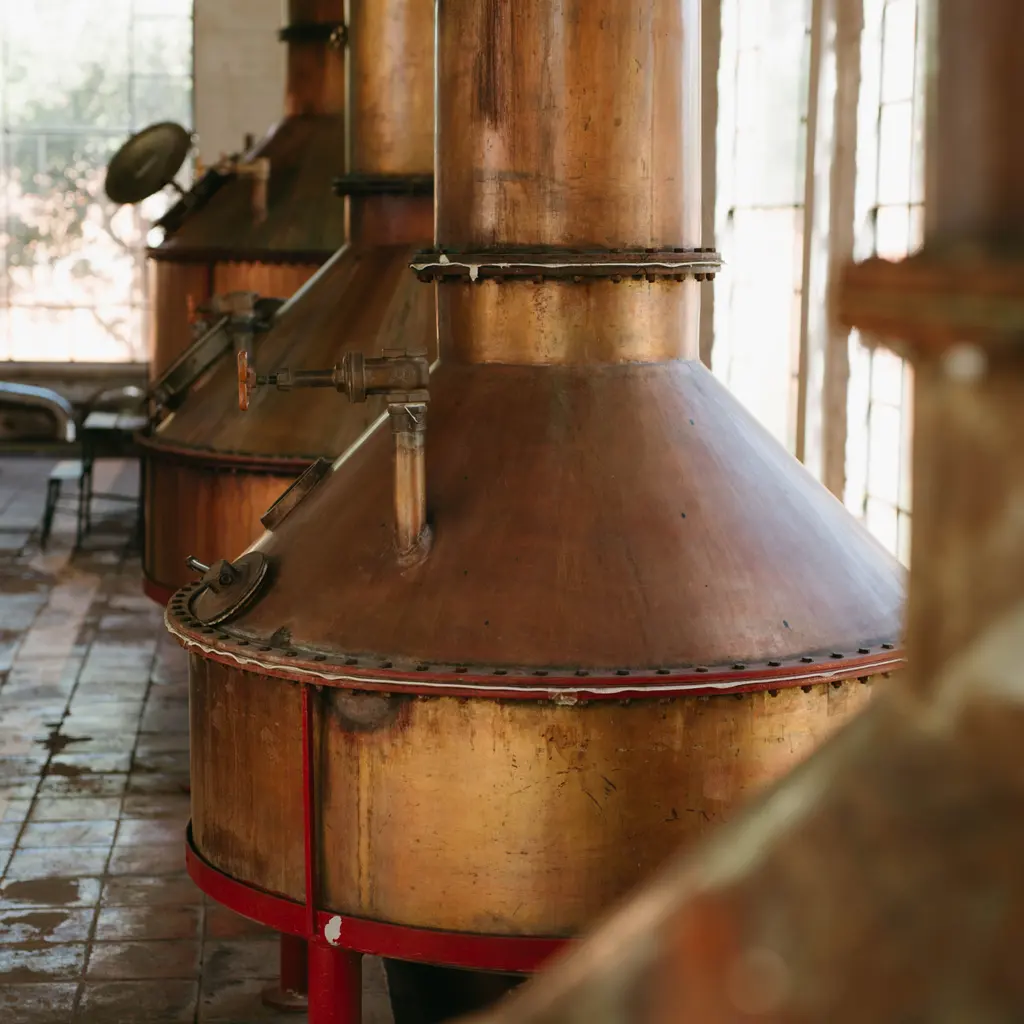
You distill and age spirits, holding large inventories of barrels that represent years of work. A warehouse fire or equipment failure can cause major losses, while tasting events introduce visitor injury risks.
The Southern Agency can review your production, storage, and visitor activities to help select insurance, such as property coverage for aging stock or liquor liability for your tasting room.
Concentrated barrel storage means a warehouse fire or rack collapse can destroy years of maturing, high-value inventory.
The worth of barrels changes as spirits mature, making accurate valuation essential to avoid underinsuring aging inventory.
A bonded-stock loss raises tax and reporting questions beyond the replacement value of spirits. Actual treatment depends on the loss and stock status; do not assume the barrel value establishes any tax owed.
Stored flammable spirits and distillation create fire and vapor exposure across the still house and warehouses.
A claim may allege tasting-room service contributed to an intoxicated visitor's injury or harm to someone else. Actual service, state duties and event arrangements determine responsibility.
Bottled spirits that are contaminated or improperly proofed can lead to consumer claims or recall.
Moving and stacking heavy barrels in multi-tier rickhouses exposes workers to lifting and crush hazards.
Policies to ask about. Which ones fit depends on your operations, your contracts, and the carrier’s forms.
These hypothetical examples are not agency claim results. Whether a loss is covered depends on the facts, policy terms, and applicable exclusions.
A fire spreads through a barrel warehouse and destroys years of maturing spirits. Property coverage may respond to the inventory value, depending on policy terms, valuation, and exclusions. Review covered fire and agreed stock valuation by age/ownership; retail value or future appreciation is not automatically insured.
A rack collapse damages barrels valued higher than scheduled limits. Property coverage may respond up to the policy limit, underscoring why aging stock should be valued carefully. A limit alone does not establish cover: first confirm insured property/interest, collapse cause, valuation, deductible, and any coinsurance conditions.
An injured road user alleges a guest was overserved during a tasting before a collision. Accepted liquor terms may address covered defense and damages, with actual service role, state duties and event exclusions reviewed. An off-site crash alone does not establish the distillery's liability.
Start with the work you do and the questions your current policies leave unanswered. Carrier options depend on your location, risk, and underwriting. Explore our approach.
Maturing spirits can change in value over time, so review property limits regularly to avoid underinsurance. Coverage depends on the policy, valuation method, and exclusions.
Ask your tax adviser about the actual loss, bonded status, reporting and applicable tax treatment. Then compare any amount legally owed with insured stock valuation and purchased tax-related terms. Neither a bond nor a property limit alone settles those questions.
It concentrates years of aging, high-value inventory in one structure, so a fire or collapse can be catastrophic. Property coverage should reflect that concentration, subject to underwriting.
If you serve spirits on-site, liquor liability is commonly needed to address claims tied to intoxicated visitors, subject to policy terms and underwriting.
Compare actual liquor/products underlying schedules and exclusions. Concentrated barrel stock calls for property valuation/limits; liability excess does not automatically raise stock or excise-tax cover.
Product liability may respond to injury claims from contaminated or improperly proofed spirits reaching consumers, depending on the specific policy and endorsements.
Bring your questions, current policies, and relevant contracts. An agent can review coverage terms, exclusions, and the information carriers ask for, then explain the options available to you.