

Pathogen contamination and recall
E. coli, salmonella or listeria in ground or ready-to-eat meat can sicken consumers and force a recall across many accounts.
Try a different word, or check the spelling.
Your compressor supports both production and the perishable meat waiting for dispatch. Repair, stock-loss, and ammonia-release protection need separate terms, even when one refrigeration problem raises all three concerns.
The Southern Agency can help you compare your actual meat processes, cold storage and release duties with separate product, stock, machinery and employee benefits.
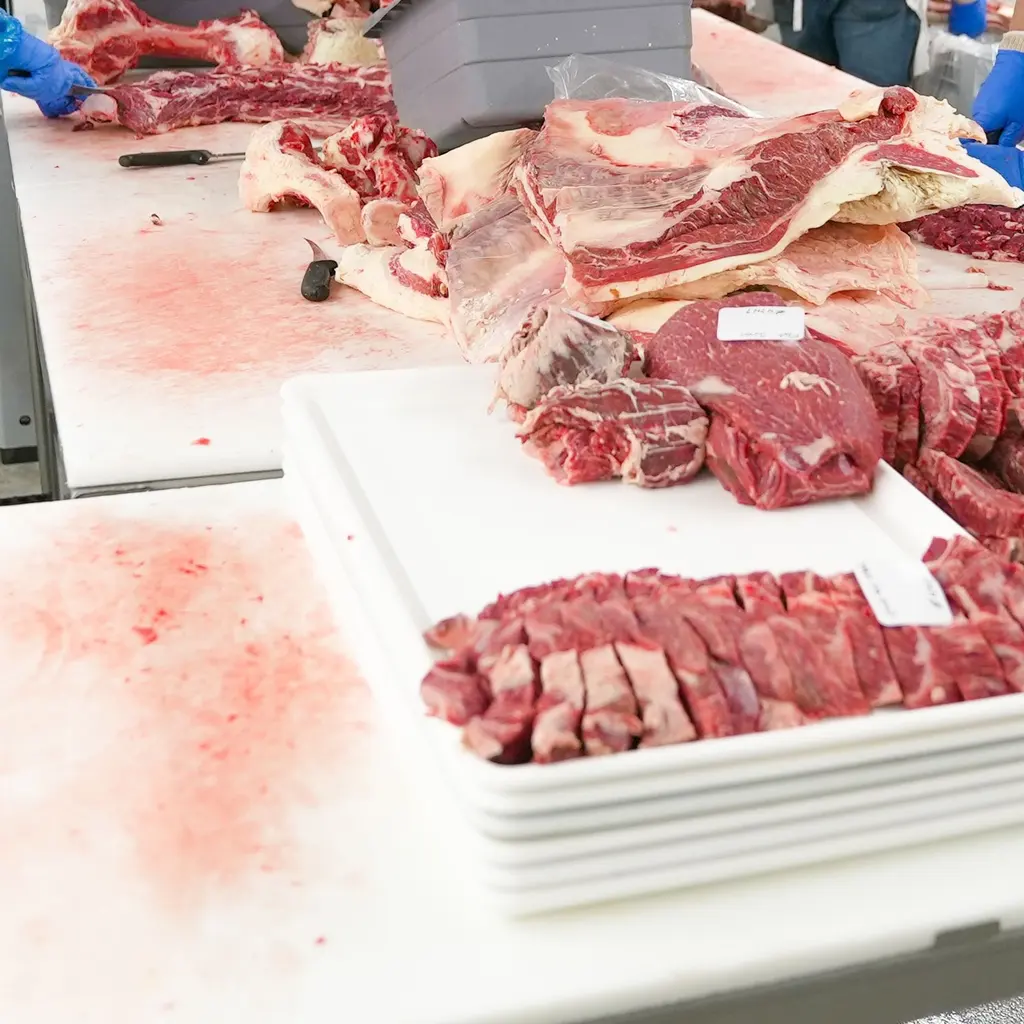
You cut, grind or prepare meat through lines that depend on refrigeration and traceable inputs. A suspect lot can affect several customers, while a cutting injury or cooling failure creates a different loss. If you use ammonia, a release adds worker and cleanup duties.
The Southern Agency can review your actual species, processes and cold-storage systems with you. We can compare product, employee and stock protection with separately selected machinery, release and shutdown benefits.
E. coli, salmonella or listeria in ground or ready-to-eat meat can sicken consumers and force a recall across many accounts.
Saws, grinders, and slicers expose workers to lacerations, amputations, and repetitive-motion injuries on fast-moving lines.
Industrial ammonia systems carry toxic-release and explosion risk affecting workers, neighbors, and the environment if a leak occurs.
High-value perishable meat can spoil quickly when compressors or cold-storage systems fail or power is lost.
Failure of saws, grinders, smokehouses or compressors can halt processing and idle perishable product. Inspection and restart duties depend on your actual operation; a machine repair may not be the only step before release.
Chilled rooms, wet floors, and heavy lifting create slip, strain, and exposure injuries throughout the plant.
Policies to ask about. Which ones fit depends on your operations, your contracts, and the carrier’s forms.
These hypothetical examples are not agency claim results. Whether a loss is covered depends on the facts, policy terms, and applicable exclusions.
Routine testing links a ground beef lot to E. coli and the product is recalled. Product liability coverage may respond to resulting illness claims, depending on policy terms, endorsements, and the facts of the loss. Separate covered illness liability from eligible withdrawal/disposal and replacement; inspection does not guarantee insurance.
A worker suffers a serious hand laceration on a band saw. Workers' compensation may respond to medical care and lost wages, subject to policy terms and applicable state requirements. Review actual employer, work jurisdiction, and injury benefits.
An ammonia line develops a leak that requires evacuation and cleanup. Environmental liability coverage may respond to cleanup and third-party claims, depending on the specific policy and exclusions. Check insured release/cleanup/reporting and employment exclusions; worker injury and regulatory penalties are separate.
Start with the work you do and the questions your current policies leave unanswered. Carrier options depend on your location, risk, and underwriting. Explore our approach.
Your raw and ready-to-eat products can lead to consumer illness allegations across several lots or buyers. Product liability may address covered harm. Withdrawal, disposal, replacement and buyer shortage claims need their own eligible terms, even when the same finding prompts a recall.
Ammonia introduces toxic-release and explosion exposure that underwriters review closely. Environmental and property coverages may respond to a release, depending on operations and policy terms.
Yes. Saws and grinders create severe injury potential, so workers' compensation pricing often reflects line speed, equipment, and safety controls, depending on your operations and state.
Equipment breakdown and property coverage may respond to repairs and covered spoilage when a covered cause idles refrigeration, subject to policy terms and exclusions.
Trace raw/ready-to-eat components, labels, and shipped lots before assessing the withdrawal. Products liability concerns covered harm to others, not automatically withdrawal. Recall/contamination cover needs an eligible event, insured product and purchased expenses; quality rejection, refunds, rework and routine spoilage are not automatic cover.
Inspection standards shape the plant's food-safety controls, which underwriters consider when assessing product and operational risk. Coverage depends on operations and underwriting.
Bring your questions, current policies, and relevant contracts. An agent can review coverage terms, exclusions, and the information carriers ask for, then explain the options available to you.