

Perishable inventory spoilage
Cooler failures, power outages, or simple over-ordering can spoil large volumes of fragile fruits and vegetables before they sell.
Try a different word, or check the spelling.
Your fresh stock can be lost through over-ordering as well as a cooler problem, but insurance does not treat those causes alike. Display, stock and food-liability protection need to fit the way you sell and handle produce.
The Southern Agency can help you select insurance that aligns with your specific produce handling, display, and storage needs.
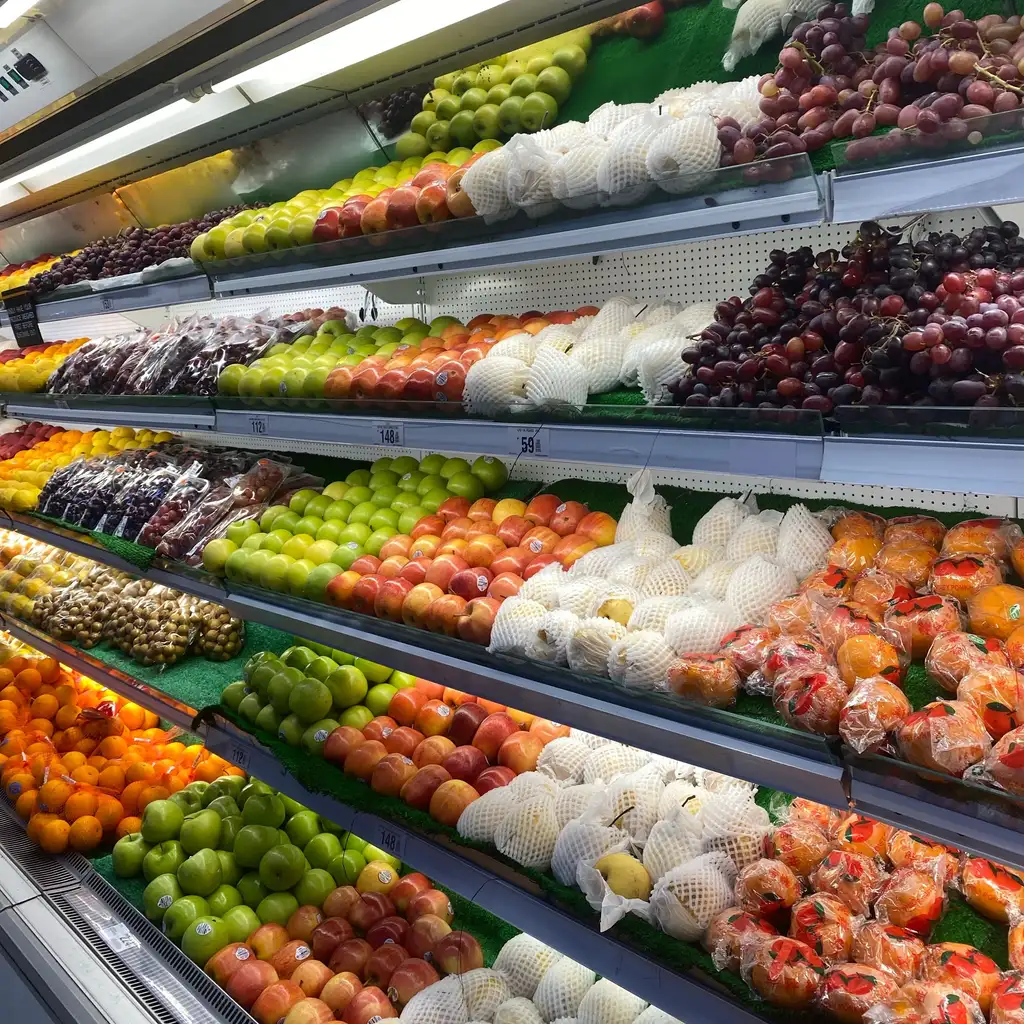
You sell fresh produce directly to customers who handle the inventory themselves. Dropped items create slip-and-fall hazards, while a cooler failure can spoil your fresh stock overnight.
The Southern Agency can help you review your retail handling and display setup to choose appropriate insurance, such as a business-owners policy that bundles liability and property coverage for your shop.
Cooler failures, power outages, or simple over-ordering can spoil large volumes of fragile fruits and vegetables before they sell.
Dropped grapes, leaking produce and wet floors near misting displays create trip-and-fall exposure for shoppers.
Washing, cutting, or bagging produce can introduce pathogens, exposing the market to illness claims and product recalls.
Produce sourced from many growers and distributors can be subject to recalls that disrupt inventory and trigger liability.
Sidewalk stands and open-air produce are vulnerable to wind, rain, hail, and temperature swings that ruin stock.
Staff unloading crates, stocking bins, and moving pallets face strain and lifting injuries that drive workers' compensation needs.
Policies to ask about. Which ones fit depends on your operations, your contracts, and the carrier’s forms.
These hypothetical examples are not agency claim results. Whether a loss is covered depends on the facts, policy terms, and applicable exclusions.
A walk-in cooler fails overnight and a large volume of produce spoils before opening. Equipment breakdown coverage may help with the spoiled stock and repairs, depending on policy terms and exclusions. Check covered cooling/utility cause and stock limits; natural decay/unsold produce is different.
A customer reports illness traced to a bagged produce mix the market prepared. A policy may respond to product liability claims, subject to the specific policy, endorsements, and the facts involved. Review actual preparation/resale, harm, and exclusions; pulling produce or refunds require separate recall analysis.
A customer slips on crushed fruit near a display and is injured. General liability coverage may respond to medical and liability costs, depending on policy terms. Check display/aisle duties and actual facts; fruit on a floor alone does not establish every allegation.
Start with the work you do and the questions your current policies leave unanswered. Carrier options depend on your location, risk, and underwriting. Explore our approach.
Compare property, premises and product liability, actual cooling/spoilage benefits and employee coverage. Reselling whole produce still creates product exposure; fresh-cut work, outside displays and delivery change the review. Availability depends on accepted operations.
Equipment breakdown or spoilage coverage may help when refrigeration fails, depending on policy terms. Limits should reflect the value of perishable stock you carry.
It depends on operations. Reselling whole produce still carries some exposure, and washing, cutting, or bagging increases it, so product liability is often considered, subject to policy terms.
Coverage for outdoor or sidewalk inventory varies by policy. Weather and theft exposure may require specific terms, so review how off-premises and open-air stock is handled.
Identify supplier lots, any fresh-cut mixtures, and customer destinations before promising refunds or disposal reimbursement. Products liability concerns covered harm to others, not automatically withdrawal. Recall/contamination cover needs an eligible event, insured product and purchased expenses; quality rejection, refunds, rework and routine spoilage are not automatic cover.
It can be. Peak-season inventory values and staffing often affect property and workers' compensation needs, which may influence terms, depending on underwriting.
Bring your questions, current policies, and relevant contracts. An agent can review coverage terms, exclusions, and the information carriers ask for, then explain the options available to you.