

Customer slips near the counter
Floors are regularly wet from rinsing produce, melting ice, and spilled drinks, creating slip-and-fall exposure in a crowded service area.
Try a different word, or check the spelling.
One add-in changes what you put in the cup—and the allergy or supplement claim you could face. Review the ingredients you actually serve, alongside the fresh stock and equipment that keep the counter moving.
Bring the actual menu and add-ins, supplier labels and the value of produce and prepared bases dependent on cooling.
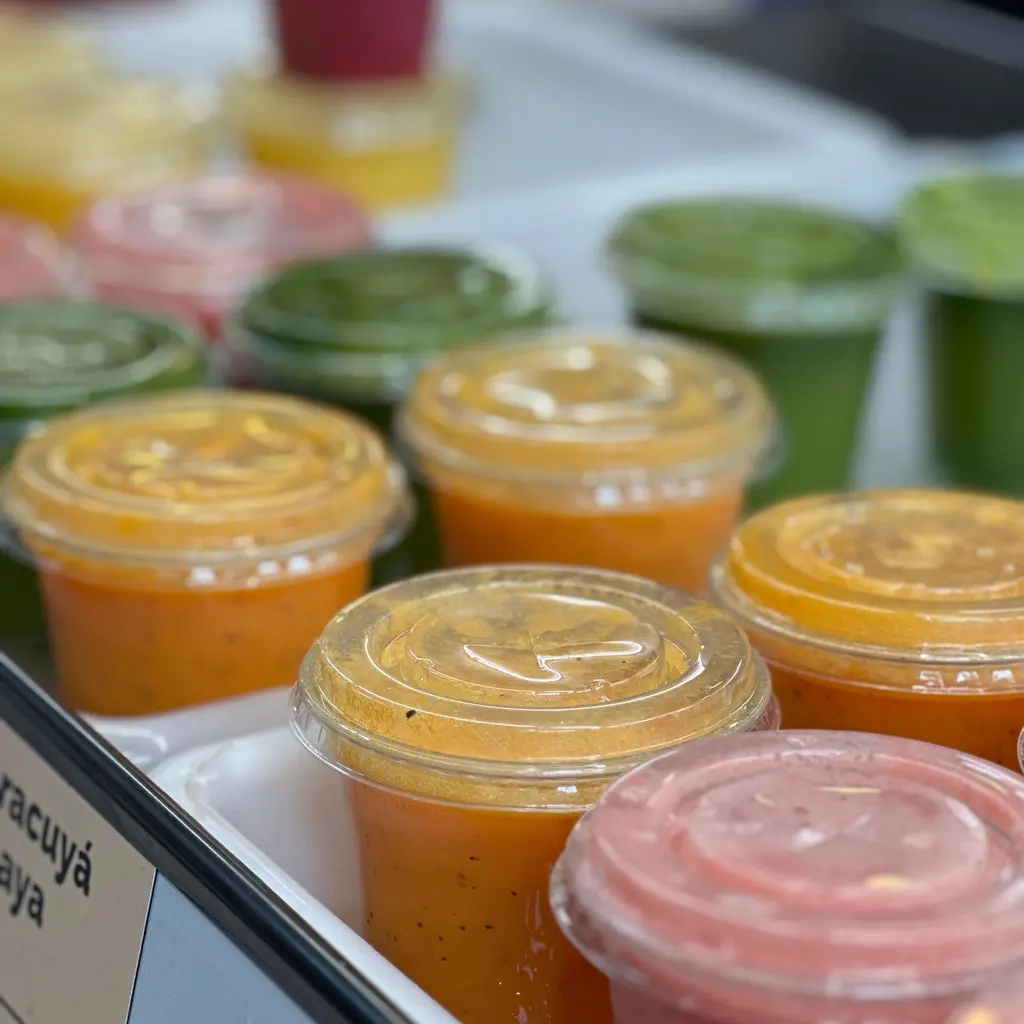
You prep fresh ingredients and use high-powered blenders to serve walk-in customers quickly. Frequent cleaning and wet floors can lead to slip-and-fall incidents, while compressor failures threaten your perishables.
The Southern Agency can review your menu, preparation workflow and equipment dependencies with you. We can compare a suitable shop package with product and breakdown terms, checking how the actual supplements, allergens and refrigerated stock fit rather than assuming one package covers every ingredient or shutdown.
Floors are regularly wet from rinsing produce, melting ice, and spilled drinks, creating slip-and-fall exposure in a crowded service area.
Raw fruit, vegetables and unpasteurized juices can carry contamination, exposing the bar to illness claims.
Nuts, dairy, soy, and added supplements create allergic-reaction and mislabeling exposure if ingredients are not clearly disclosed.
A failed compressor in a walk-in cooler or display case can spoil large amounts of perishable produce and prepared product overnight.
High-powered blenders and cold-press juicers run constantly, and a breakdown can halt service during peak hours and require costly repair.
Counter staff use sharp knives, slicers, and hot cleaning water, and repetitive blending and lifting create cut, burn, and strain exposure.
Card and mobile payments flow through the POS and online ordering apps, creating breach and liability exposure if systems are compromised.
Policies to ask about. Which ones fit depends on your operations, your contracts, and the carrier’s forms.
These hypothetical examples are not agency claim results. Whether a loss is covered depends on the facts, policy terms, and applicable exclusions.
Suppose water from the prep area reaches the counter queue and a customer slips. General liability may address a covered premises injury; medical-payments provisions and liability damages have different conditions. Establish cleanup responsibilities and the injury facts rather than treating any wet floor as proved negligence.
Suppose a cooler compressor breaks down overnight and fresh produce and prepared bases spoil. Compare the covered equipment event with included spoilage, valuation and limits. Routine deterioration is a different cause, while a power-supply interruption and lost service income need their own terms.
Suppose a customer alleges injury from an undisclosed nut-based add-in. Product terms may address a covered injury allegation involving accepted ingredients and preparation. Preserve the recipe and supplier details; refunding drinks, withdrawing ingredients and defending a promised health benefit are not automatically the same covered cost.
Start with the work you do and the questions your current policies leave unanswered. Carrier options depend on your location, risk, and underwriting. Explore our approach.
Most bars start with a business owners policy or general liability plus property, then add product liability, equipment breakdown, and workers' compensation. The right mix depends on your menu and operations, subject to underwriting.
Fresh juices, smoothies, and supplements can still cause illness or allergic reactions, so product liability is commonly needed to address those claims, subject to policy terms.
Equipment breakdown coverage may respond when refrigeration fails, helping with repair and spoiled inventory. Coverage depends on the specific policy, endorsements, and exclusions.
Bring the actual lease request, including limits, landlord status and responsibility for improvements or coolers. The Southern Agency can compare those obligations with proposed or issued terms. A certificate does not itself add an insured or satisfy every lease obligation.
Requirements depend on the jurisdiction, actual employer, employee count and applicable exemptions. Review those facts rather than relying on a universal threshold. Applicable coverage can provide benefits for qualifying prep and cleaning injuries such as cuts, burns or strains.
If you take card or mobile payments and online orders, cyber coverage may help with breach response and liability if those systems are compromised, depending on the specific policy.
Bring your questions, current policies, and relevant contracts. An agent can review coverage terms, exclusions, and the information carriers ask for, then explain the options available to you.