

Grain dust explosion and fire
Fine rice dust from hulling and milling can ignite, and confined accumulations create explosion risk to the plant and employees.
Try a different word, or check the spelling.
Your silo can hold the same quantity of rice while its market value changes. Stock limits and valuation deserve attention alongside mill and dryer protection, without assuming every moisture or pest loss is insured.
The Southern Agency can help you align explosion, equipment, and product liability coverage with your rice milling operations.
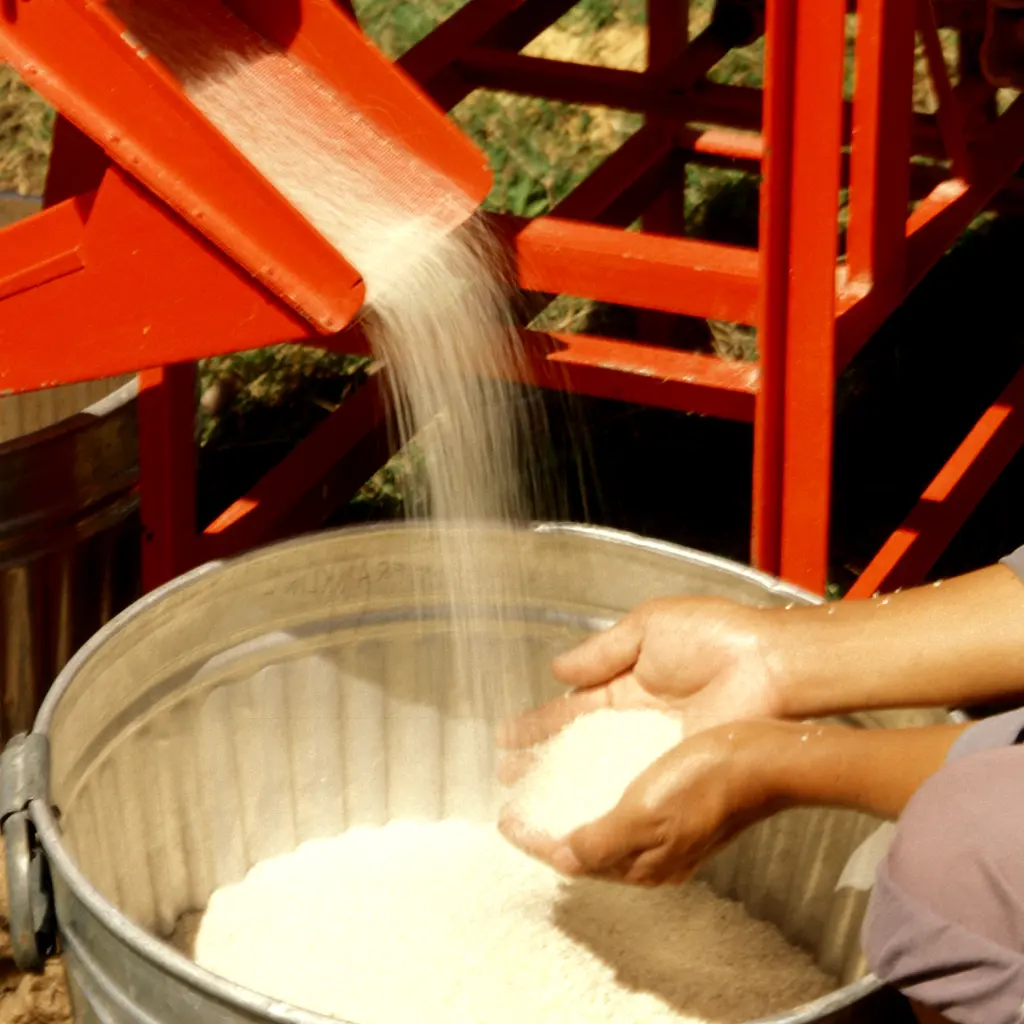
Your rice milling plant cleans, hulls and packages grain using conveyors, dryers, and silos. The accumulation of fine rice dust creates significant explosion and fire risks that can threaten your entire structure and workforce.
The Southern Agency can review your grain-handling and storage systems to help you select appropriate insurance. We can help you identify coverage for milling machinery breakdowns or liability exposures related to product contamination.
Fine rice dust from hulling and milling can ignite, and confined accumulations create explosion risk to the plant and employees.
Failure of dryers, elevators, hullers, or mills can halt production and cause incoming rough rice to back up at the plant.
Large silo and warehouse stocks are exposed to fire, moisture, pest infestation, and spoilage that can devalue inventory.
Foreign objects or contamination in milled rice can trigger rejection, recall, and liability claims from wholesale buyers.
Silo entry, conveyors, and milling machinery expose workers to engulfment, entanglement, and crush hazards.
Market-driven changes in rice values can leave inventory underinsured if limits are not reviewed against current stock.
Policies to ask about. Which ones fit depends on your operations, your contracts, and the carrier’s forms.
These hypothetical examples are not agency claim results. Whether a loss is covered depends on the facts, policy terms, and applicable exclusions.
Accumulated rice dust ignites and damages part of the milling area. Property coverage may respond to damage and business income to lost production, depending on policy terms and the cause. Check covered dust/fire and purchased income/restoration terms; silo deterioration differs.
A grain dryer fails during harvest intake and rough rice backs up. Equipment breakdown and business income coverage may help with repairs and lost throughput, subject to the specific policy. Confirm covered dryer event, raw-stock/income inclusion and harvest values; missed throughput alone is not cover.
A wholesale buyer finds foreign material in shipped rice and demands a refund and collection of the load. Those costs alone do not establish a product liability claim. If covered injury or damage to other property is also alleged, review it separately from the refund, withdrawal and contract demands.
Start with the work you do and the questions your current policies leave unanswered. Carrier options depend on your location, risk, and underwriting. Explore our approach.
Fine rice dust is combustible and can ignite when it accumulates. Property coverage may respond to resulting fire or explosion loss, depending on the cause and the specific policy.
Because rice values change, reporting forms or periodic limit reviews may help keep inventory adequately insured, subject to underwriting and policy terms.
Equipment breakdown coverage may respond to sudden failure of dryers and mills, and business income may address lost production, depending on policy terms.
Identify alleged covered injury/property damage rather than only rejection or refund. Review accepted product, own-product/impaired-property, and recall/contract exclusions; buyer demand does not automatically establish cover.
Workers' compensation is commonly required and addresses machinery, confined-space, and dust injuries common at a mill. Requirements depend on your state and operations.
Bring your questions, current policies, and relevant contracts. An agent can review coverage terms, exclusions, and the information carriers ask for, then explain the options available to you.