

Contamination and recall
Pathogens, foreign material, or spoiled ingredients can sicken consumers and trigger a recall across retail and wholesale accounts.
Try a different word, or check the spelling.
Your brand may rely on a co-packer, or your kitchen may produce for someone else's label. Product liability needs to follow those actual roles, with market and online sales considered beyond the production address.
The Southern Agency can help you align your production methods and distribution risks with appropriate insurance.
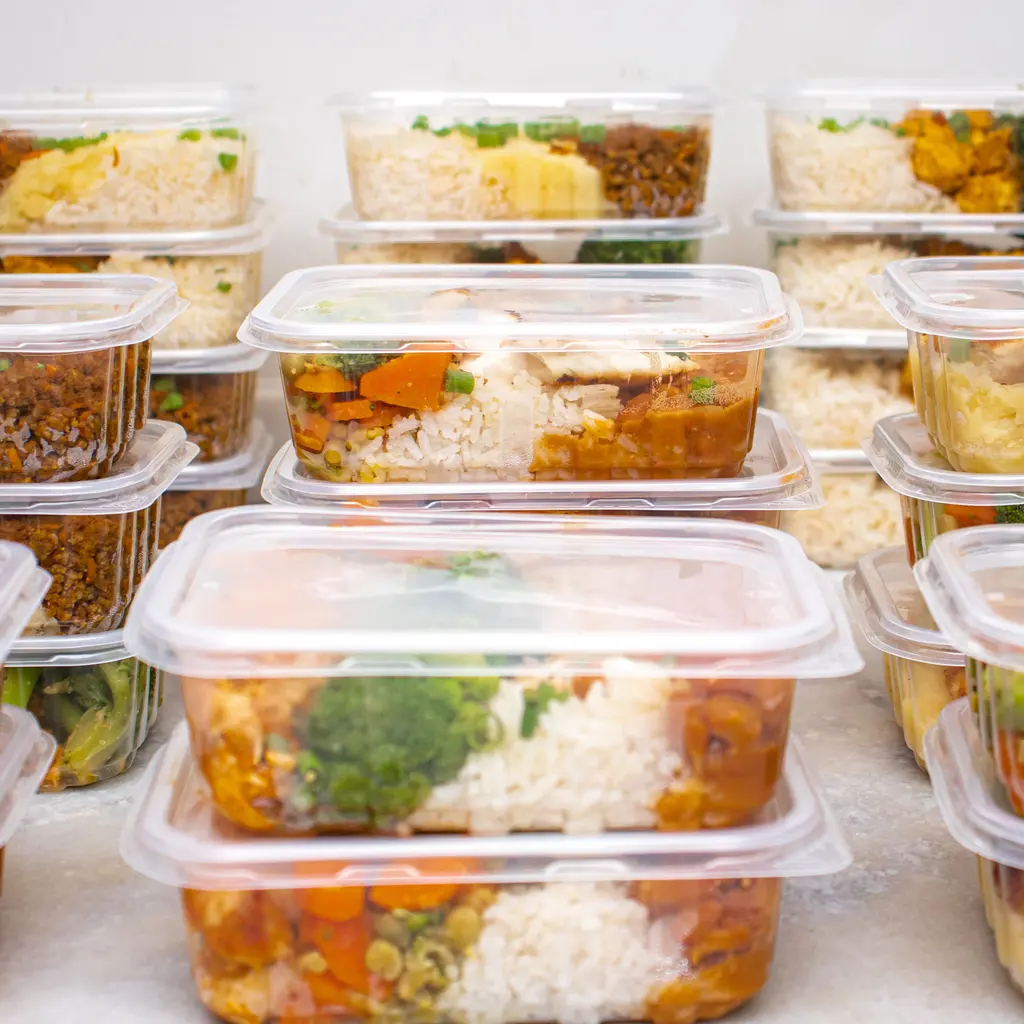
You craft artisanal food, sourcing unique ingredients for sale at markets, stores, or online. A recipe error or mislabeled allergen can trigger a recall, while production equipment failure can stall your workflow.
The Southern Agency can review your production process and sales channels to help choose appropriate coverage, such as product liability for allergen claims or equipment breakdown for your kitchen machinery.
Pathogens, foreign material, or spoiled ingredients can sicken consumers and trigger a recall across retail and wholesale accounts.
Undeclared allergens or inaccurate label claims such as gluten-free or organic can lead to illness claims and regulatory scrutiny.
Producing for other brands, or relying on co-packers, creates liability in both directions if a product issue arises.
Cooking, frying, dehydrating, and packaging equipment create fire and property exposure in the production space.
Specialty ingredients and finished goods, sometimes perishable, can be lost to spoilage, equipment failure, or covered property damage.
Selling through web stores and at markets adds payment-data and premises liability beyond the production facility.
Policies to ask about. Which ones fit depends on your operations, your contracts, and the carrier’s forms.
These hypothetical examples are not agency claim results. Whether a loss is covered depends on the facts, policy terms, and applicable exclusions.
A reformulated spread contains an allergen not shown on the label, and a consumer reports a reaction. Product liability coverage may respond to the resulting claim, depending on policy terms, endorsements, and the facts of the loss. Covered allergic harm differs from reformulating/relabeling stock, refunds, and eligible recall costs.
A customer is injured at a sampling booth at a specialty food market. General liability coverage may respond to the claim, depending on policy terms and the circumstances of the incident. Check declared off-site sampling/setup, venue endorsements, and injury facts.
A cooler fails overnight and spoils temperature-sensitive inventory. Property and equipment breakdown coverage may help with covered spoilage, subject to policy terms and exclusions. Confirm covered cooling/utility cause and stock value/inclusion; premium price or ordinary spoilage does not establish insured value/loss.
Start with the work you do and the questions your current policies leave unanswered. Carrier options depend on your location, risk, and underwriting. Explore our approach.
Any food reaching consumers can lead to illness or allergen claims, and many retailers require coverage. Product liability may respond, depending on policy terms and underwriting.
Claims like gluten-free or organic must be accurate, since inaccurate claims can prompt liability and regulatory issues. Underwriters often review labeling practices, depending on operations.
Co-packing creates liability in both directions if a product problem arises. Contracts and coverage should reflect those obligations, depending on the specific arrangements and policy terms.
They can. Online sales add payment-data exposure and market booths add premises liability, so cyber and general liability may both be relevant, subject to policy terms.
Compare a business owners policy for bundled property and liability. Whether it fits depends on your size, operations, and underwriting.
Use the actual recipe, process, co-pack, and label responsibilities rather than a specialty-food label. Products liability concerns covered harm to others, not automatically withdrawal. Recall/contamination cover needs an eligible event, insured product and purchased expenses; quality rejection, refunds, rework and routine spoilage are not automatic cover.
Bring your questions, current policies, and relevant contracts. An agent can review coverage terms, exclusions, and the information carriers ask for, then explain the options available to you.