

Allergen and sampling liability
In-store tastings and repackaged goods involving nuts, dairy, or gluten create allergen exposure and potential illness claims.
Try a different word, or check the spelling.
Your imported stock may be valuable before it reaches the shop, but shipping or customs delays are not the same as insured damage. Property and product protection need to reflect the goods, storage, and tasting activities you actually handle.
Review the goods you import or repackage, the samples you serve and how stock moves into the shop or a gift shipment.
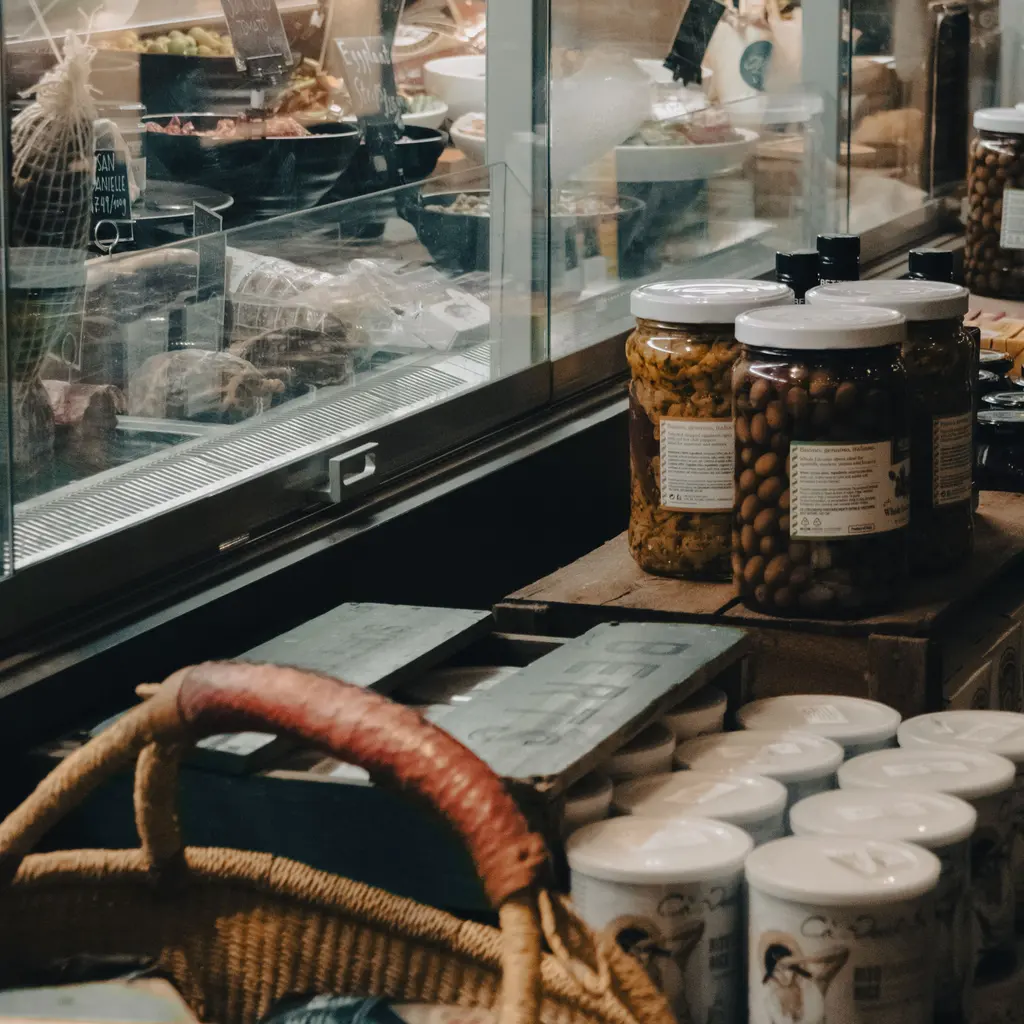
You curate and sell gourmet goods, often offering samples or repackaging bulk items for your customers. A refrigerator failure can ruin high-value inventory, or a visitor could be injured while browsing.
The Southern Agency can review your shop's operations, including tasting events and storage practices, to help select insurance like property protection for stock or liability for customer injuries.
In-store tastings and repackaged goods involving nuts, dairy, or gluten create allergen exposure and potential illness claims.
Premium, imported, and artisanal products represent significant inventory value vulnerable to theft, fire, or damage.
Cheeses, chocolates, and other delicate items can spoil if refrigeration fails or storage conditions are not maintained.
Reliance on imported goods exposes the shop to shipping delays, customs issues, and recalls of sourced products.
Sourced and repackaged specialty foods can be subject to recalls that disrupt inventory and trigger liability.
Shops selling online or shipping gift orders handle customer payment data, creating cyber and PCI exposure.
Policies to ask about. Which ones fit depends on your operations, your contracts, and the carrier’s forms.
These hypothetical examples are not agency claim results. Whether a loss is covered depends on the facts, policy terms, and applicable exclusions.
Suppose a customer alleges injury after tasting food containing an undisclosed allergen. Product terms may address a covered food-injury claim involving accepted sampling or repacking activities. Pulling related gift baskets, replacing goods and issuing refunds need separate recall or expense terms.
Suppose imported goods are damaged while awaiting delivery to your shop. Establish when risk transferred, whose stock interest is insured and whether the location, cause and transit are included. Store property terms do not automatically cover every shipment, customs hold or delay; valuation and carrier responsibilities still matter.
Suppose an online-store incident exposes customer payment details. Cyber terms may address covered investigation, notification and privacy claims, including accepted provider incidents. Review response approval and card-assessment provisions separately; a processor's contractual bill is not automatically reimbursed.
Start with the work you do and the questions your current policies leave unanswered. Carrier options depend on your location, risk, and underwriting. Explore our approach.
Most carry property, general liability, and product liability, often with cyber and spoilage coverage. The right mix depends on your products and services, subject to underwriting.
Yes. Offering samples adds allergen and food-handling exposure, so product liability is commonly needed to address potential illness claims, subject to policy terms.
Property coverage may help with inventory loss, and transit terms can address goods in shipment. Limits should reflect peak and seasonal stock values, depending on policy terms.
Selling online and shipping gift orders involves handling payment data, so cyber coverage may help with breach response and liability, depending on the policy.
Equipment breakdown or spoilage coverage may help when refrigeration fails, depending on policy terms. Limits should reflect the value of temperature-sensitive goods you carry.
Trace supplier/import lots into repacked baskets and sales before promising disposal or refund reimbursement. Products liability concerns covered harm to others, not automatically withdrawal. Recall/contamination cover needs an eligible event, insured product and purchased expenses; quality rejection, refunds, rework and routine spoilage are not automatic cover.
Bring your questions, current policies, and relevant contracts. An agent can review coverage terms, exclusions, and the information carriers ask for, then explain the options available to you.