

Machine tip-over and public injury
Vending machines can tip or malfunction and injure members of the public at locations the operator does not control.
Try a different word, or check the spelling.
Your machines earn at host sites while you carry stock and collected cash between them. Off-site equipment, route and crime protection need to follow those separate interests, not only the address where you keep supplies.
The Southern Agency can help you protect your distributed equipment and machine-related liability.
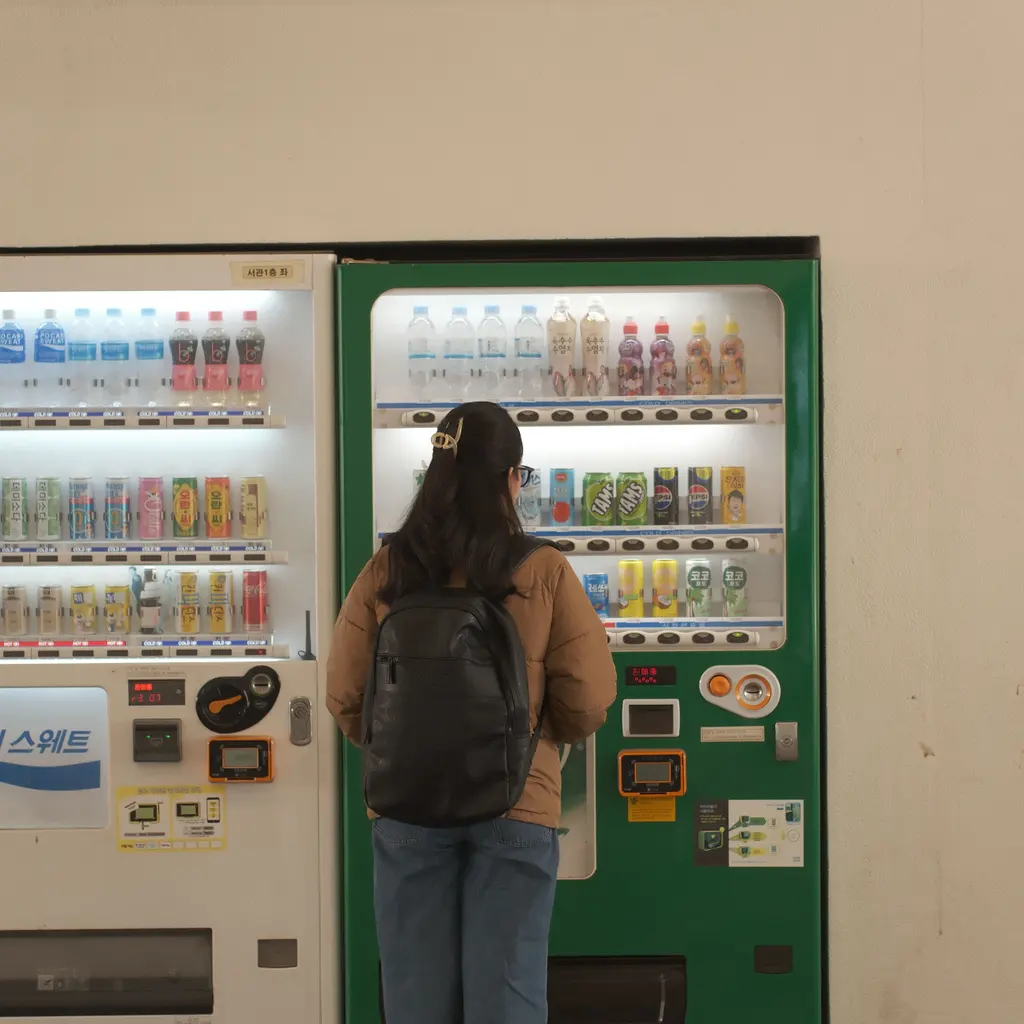
You place and service vending machines at various host sites, moving stock and equipment frequently. Machines can be damaged by vandalism or cause injury if they tip over at a client’s location.
The Southern Agency can review your machine locations and service routes to help select insurance, such as inland marine for equipment away from your base or liability for machine-related accidents.
Vending machines can tip or malfunction and injure members of the public at locations the operator does not control.
Restocking routes create auto liability and physical-damage exposure based on the actual vehicles, drivers and travel.
Machines placed at third-party sites are exposed to vandalism, break-ins, and damage away from any owned premises.
Coins and bills collected from machines across many locations create theft exposure during routes and handling.
Refrigerated machines can fail, and dispensed food and drinks carry foodborne-illness and allergen exposure without staff present.
Compressor or cooling failures in refrigerated machines can spoil product and disable revenue-generating units.
Policies to ask about. Which ones fit depends on your operations, your contracts, and the carrier’s forms.
These hypothetical examples are not agency claim results. Whether a loss is covered depends on the facts, policy terms, and applicable exclusions.
A vending machine tips over at a client site and injures a passerby. General liability coverage may respond to medical and liability costs, depending on policy terms and the facts of the incident. Review installation/anchoring responsibility and covered injury facts; host contract does not itself establish insured liability.
A restocking vehicle is involved in an at-fault accident while on a route. Business auto coverage may respond to liability and damage, subject to the specific policy and exclusions. Confirm actual vehicle/driver and purchased physical damage; machines, carried goods and cash need separate terms.
A cooling unit fails and the perishable product inside spoils. Equipment breakdown coverage may help with the loss and repairs, depending on policy terms and exclusions. Check covered cooling/host-utility cause, listed locations, and stock inclusion; expired stock or missed service differs.
Start with the work you do and the questions your current policies leave unanswered. Carrier options depend on your location, risk, and underwriting. Explore our approach.
Most carry general liability, inland marine for off-site machines, business auto, product liability, and crime coverage. The mix depends on your routes and machines, subject to underwriting.
Inland marine coverage may help protect machines off-premises and in transit, depending on policy terms. Limits should reflect the total value of equipment deployed.
Yes. Business auto is commonly needed for vehicles used to service routes, addressing accident liability and physical damage, subject to policy terms.
Because food and drinks are dispensed without staff present, product liability may respond to illness or allergen claims, subject to policy terms.
Crime coverage may respond to theft of money collected from machines and during handling, up to your selected limit. Coverage depends on the specific policy and exclusions.
Frequently. Many sites require operators to carry liability coverage and name them as additional insured. We can help structure a program to meet those terms, depending on underwriting.
Bring your questions, current policies, and relevant contracts. An agent can review coverage terms, exclusions, and the information carriers ask for, then explain the options available to you.