

Vehicle collisions and accidents
Driving a heavy, top-equipped truck through traffic and tight lots creates accident potential that can injure others and damage the vehicle.
Try a different word, or check the spelling.
Your kitchen can contain equipment fixed to the truck and gear removed at each stop. Vehicle and equipment terms need to distinguish those interests, while customer and food liability continue when you park to serve.
The Southern Agency can help you review your mobile operations to match your vehicle and liability insurance to your serving locations.
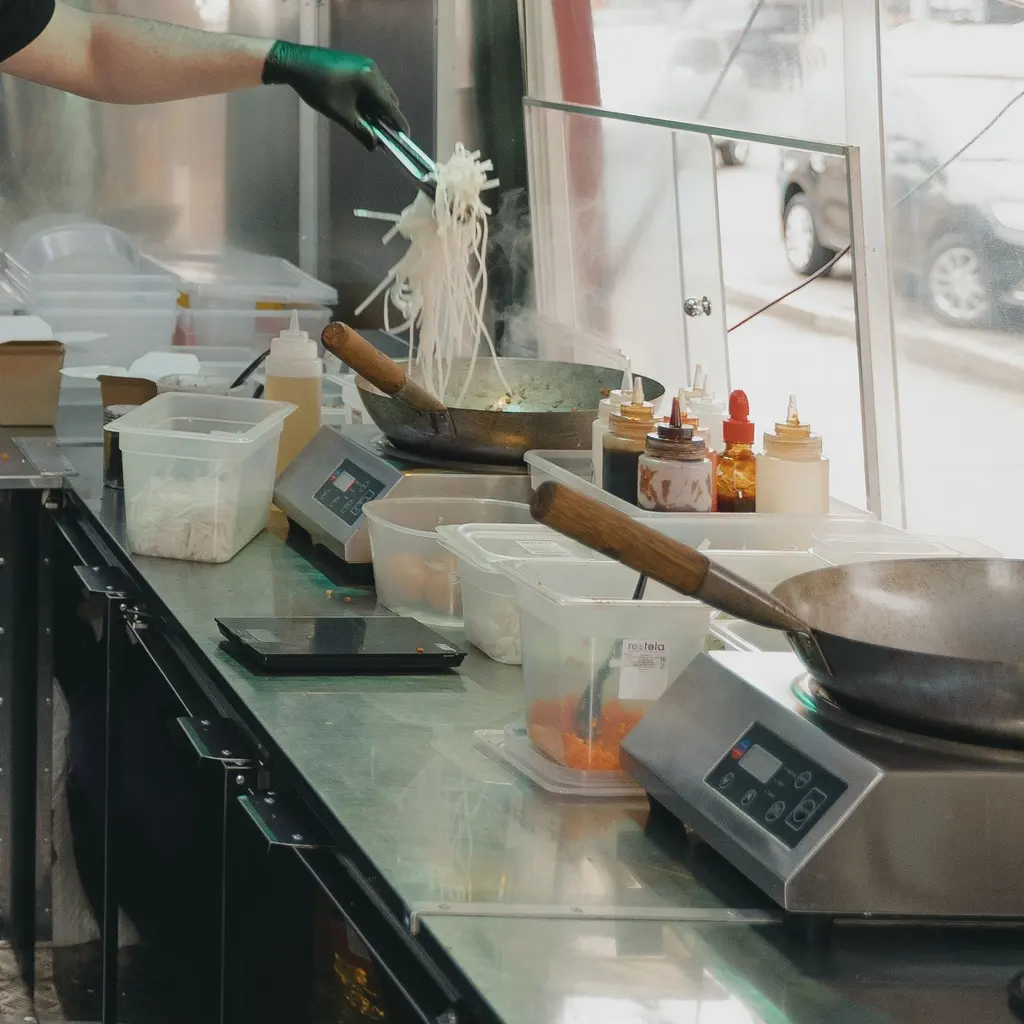
Your food truck operates as a mobile kitchen, serving customers at changing locations. A collision on the road or a customer injury at your service window can disrupt your work and lead to costly claims.
The Southern Agency can help you review your mobile and parked service operations to select appropriate insurance, such as business auto coverage for your vehicle and liability for site-specific incidents.
Driving a heavy, top-equipped truck through traffic and tight lots creates accident potential that can injure others and damage the vehicle.
Propane burners, fryers, and generators in a confined galley raise the risk of fire that can damage the truck and halt operations quickly.
Guests stand, queue, and reach at the window on ground you do not own, creating slip, trip, or burn exposures during service.
Custom griddles, refrigeration, and small wares can be damaged in transit or stolen when the truck is parked away from a secured base.
Limited onboard storage and holding can lead to illness claims, especially during hot event days.
Festivals, breweries, and commissaries often require proof of coverage and may ask to be added as an additional insured before you can vend.
Policies to ask about. Which ones fit depends on your operations, your contracts, and the carrier’s forms.
These hypothetical examples are not agency claim results. Whether a loss is covered depends on the facts, policy terms, and applicable exclusions.
The truck is involved in an accident while driving to a festival. Business auto coverage may respond to third-party injury and damage, with the vehicle's own damage handled depending on policy terms. Separate liability from purchased truck physical damage, custom build-out, and missed-event refunds.
A propane burner flare-up damages onboard equipment. Coverage for the truck and its mobile equipment may help with repair and replacement, depending on the specific policy and exclusions. Identify which policy insures installed kitchen versus vehicle and covered propane/fire cause; no double or automatic equipment cover.
Custom cooking gear is taken while the truck is parked. An inland marine policy may respond to the loss of mobile equipment, subject to policy terms and conditions. Review scheduled gear, security, and theft conditions; overnight parking does not establish every stolen item is insured.
Start with the work you do and the questions your current policies leave unanswered. Carrier options depend on your location, risk, and underwriting. Explore our approach.
Typically you combine business auto for the vehicle with inland marine for mobile cooking equipment, since standard auto coverage may not address custom gear. The right structure depends on your truck and how it is used.
Check actual festival/commissary requirements and endorsements before booking. Certificates report existing cover and do not guarantee acceptance, add insureds, or remove exclusions.
Yes. Business auto generally addresses driving and the vehicle, while general liability may respond to customer injuries at the service window. Many trucks carry both because each addresses a different exposure.
Equipment breakdown coverage may help with repair and lost income when essential equipment fails. Whether a loss is covered depends on the policy, endorsements, and exclusions.
If you have employees cooking and serving on board, workers compensation is commonly needed and often required. Burns and cramped-quarters injuries are real exposures, and rules vary by state.
Carriers consider the vehicle, mileage, equipment values, event activity, payroll, and driving and claims history. Because mobile operations differ, premiums vary and coverage availability depends on underwriting.
Bring your questions, current policies, and relevant contracts. An agent can review coverage terms, exclusions, and the information carriers ask for, then explain the options available to you.