

Vineyard and crop exposure
Frost, hail, drought, and disease can damage grapes and reduce harvest, affecting both supply and revenue.
Try a different word, or check the spelling.
If you grow the grapes as well as make the wine, vineyard losses are not the same interest as cellar stock. Protection for the crop, crush equipment and aging wine needs separate consideration alongside any tasting or event duties.
The Southern Agency can help you protect your wine production and tasting-room activities with insurance tailored to your vineyard operation.
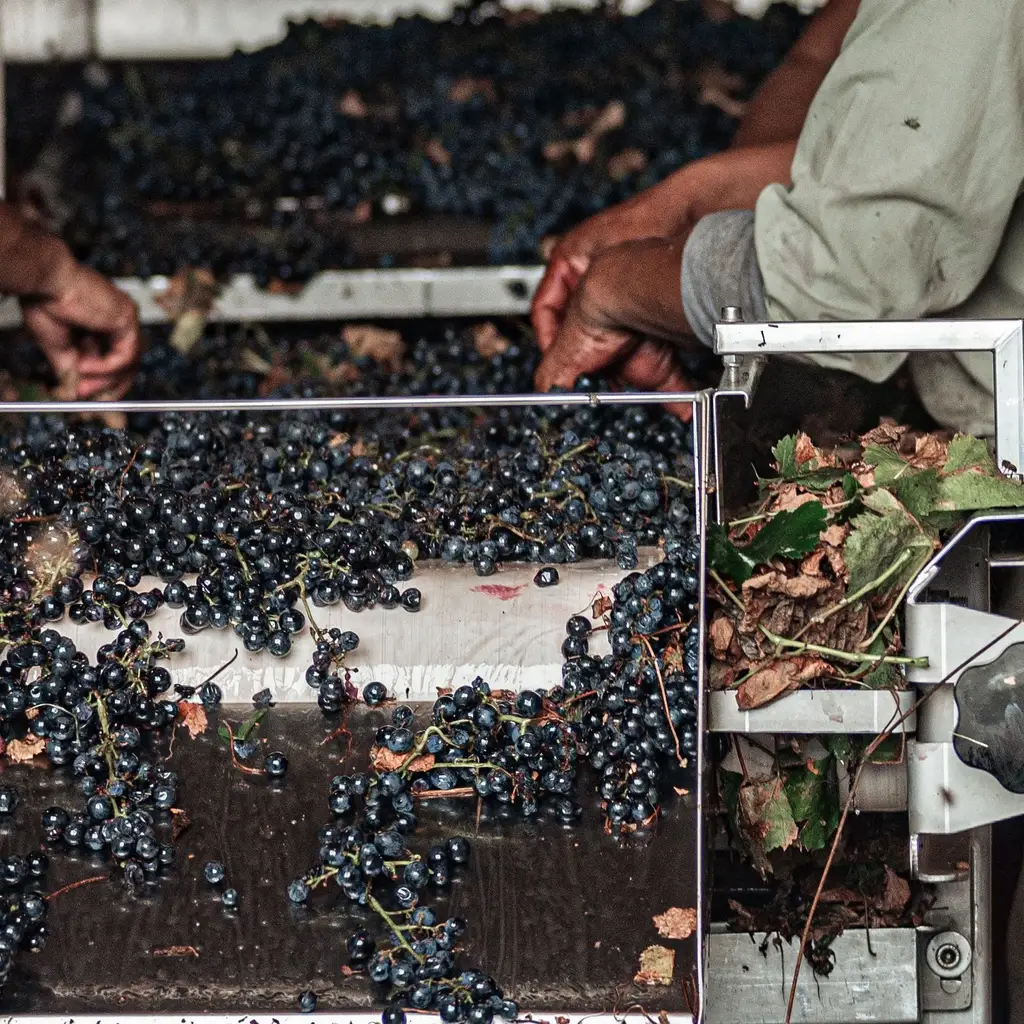
You grow grapes or purchase them to craft your wine, then age, store, and sell your vintage. If your equipment malfunctions during the crush or a visitor is injured during a tasting or wedding, your business can face substantial financial loss.
The Southern Agency can review your estate and production processes to help you select appropriate insurance for your winery. For example, we can help assess whether your property policy covers your aging barrels and tanks versus your tasting-room liability needs.
Frost, hail, drought, and disease can damage grapes and reduce harvest, affecting both supply and revenue.
Wine maturing in barrels or tanks holds concentrated value that contamination or temperature-control failure can ruin.
Pouring wine at tastings, weddings, and events can make the winery liable for harm caused by an intoxicated guest.
Weddings, tours, and gatherings bring crowds onto uneven estate grounds, increasing slip, fall, and crowd exposure.
Crush equipment, presses, and temperature control are critical, and failure can spoil active fermentation or stored wine.
Bottled wine that is contaminated, mislabeled, or spoiled can lead to consumer claims or recall.
Vineyard and crush-season workers face lifting, machinery, and field hazards that drive injury exposure.
Policies to ask about. Which ones fit depends on your operations, your contracts, and the carrier’s forms.
These hypothetical examples are not agency claim results. Whether a loss is covered depends on the facts, policy terms, and applicable exclusions.
A guest at an on-site wedding is over-served and later involved in an off-site incident. Liquor liability coverage may respond to resulting claims, depending on policy terms and the facts. Review actual service/vendor roles, state duty, and event exclusions; wedding contract does not establish coverage.
A refrigeration failure damages wine aging in tank. Equipment breakdown coverage may help with repair and spoiled product, subject to policy terms and the cause of loss. Confirm covered cooling event, owned/client wine valuation, and included stock/income; ordinary quality drift or aging/yield guarantees differ.
A visitor falls on uneven ground during a vineyard tour. General liability coverage may respond to medical and liability costs, depending on the specific policy and endorsements. Review insured tour locations, ground responsibility, and actual injury facts; agricultural/property cover is not automatic visitor liability.
Start with the work you do and the questions your current policies leave unanswered. Carrier options depend on your location, risk, and underwriting. Explore our approach.
Review who supplies/serves and controls the event, actual local rules and contracts. Confirm accepted alcohol-business/event terms; no universal requirement or automatic vendor-policy protection is assumed.
Standard property coverage may not address growing crops; crop and weather exposure is often handled separately. Coverage depends on operations and the specific policies available.
Wine maturing in barrels and tanks holds significant value and should be reflected in property limits. Coverage depends on the policy, valuation, and exclusions.
General liability commonly responds to guest injuries on estate grounds, though large events may need additional terms. Coverage depends on policy terms and underwriting.
Equipment breakdown coverage may help with repair and spoiled wine when refrigeration or crush equipment fails, depending on policy terms and the cause of loss.
Harvest season increases labor and equipment use. Review coverage and limits before the season begins.
Bring your questions, current policies, and relevant contracts. An agent can review coverage terms, exclusions, and the information carriers ask for, then explain the options available to you.