

Off-site foodborne illness
Cooking, transporting, holding, and re-heating food for off-site service widens the time-and-temperature window and raises illness exposure.
Try a different word, or check the spelling.
A venue's certificate request does not settle responsibility for rented ovens, damaged furnishings, or alcohol service. Your protection needs to follow the actual setup, service, and teardown duties.
The Southern Agency can help you evaluate coverage for your commissary and off-site catering activities.
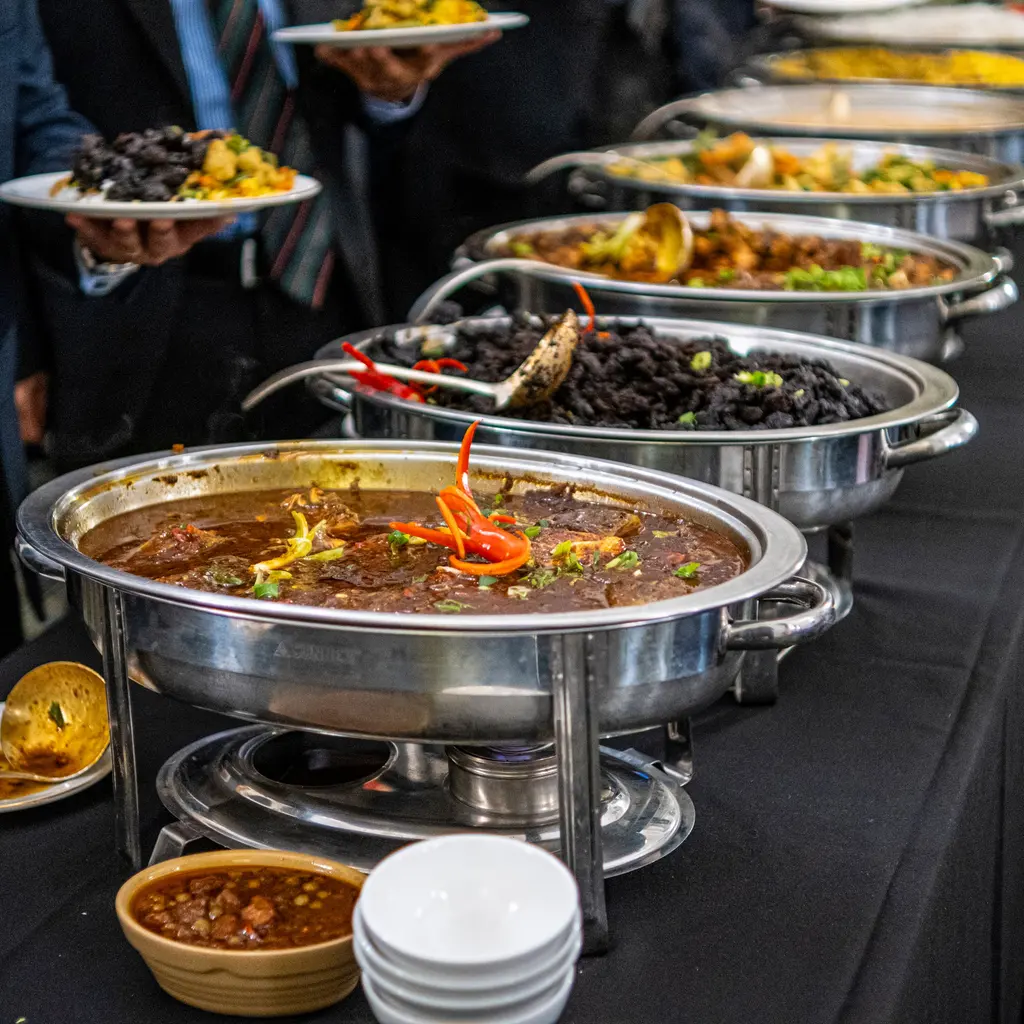
Your catering business prepares food in a commissary and serves it at off-site events like weddings or corporate functions. A spill or an illness claim resulting from an off-site meal can create significant liability for your company.
The Southern Agency can review your equipment logistics and event service practices to help you compare insurance. We can distinguish guest and venue claims from your owned or rented gear in transit, including the alcohol and setup duties you agree to take on.
Cooking, transporting, holding, and re-heating food for off-site service widens the time-and-temperature window and raises illness exposure.
Working in rented halls, tents, and private homes creates exposure to damaging venue property during setup, service, and teardown.
Serving alcohol at weddings and functions creates dram-shop exposure if an intoxicated guest later causes harm.
Vans and trucks carrying food, chafing equipment, and rentals between commissary and venues face collision and cargo loss.
Portable ovens, serving gear, and rented equipment used off-site are exposed to theft and damage at venues and in transit.
Event venues commonly require certificates, liability limits, and additional-insured status before a caterer can book the job.
Policies to ask about. Which ones fit depends on your operations, your contracts, and the carrier’s forms.
These hypothetical examples are not agency claim results. Whether a loss is covered depends on the facts, policy terms, and applicable exclusions.
During setup, equipment scratches a venue's flooring and the venue seeks recovery. General liability coverage may respond to the property damage, depending on policy terms and the facts of the loss. Check custody, rented-premises, and particular-part exclusions; signing a promise to pay all venue damage does not create cover.
Guests report illness following a catered function and a claim follows. General liability with food-related coverage may respond to defense and damages, subject to the specific policy and exclusions. Review insured off-site food operations and actual causation; replacing meals, refunds or event cancellation need separate terms.
A catering van is in a collision en route to a wedding and equipment is damaged. Business auto and inland marine coverage may respond, depending on policy terms and the gear involved. Separate vehicle liability/physical damage from owned or rented equipment, food spoilage, and missed-event refunds.
Start with the work you do and the questions your current policies leave unanswered. Carrier options depend on your location, risk, and underwriting. Explore our approach.
Many venues request limits and additional-insured terms, but read the actual agreement before booking. Insurer acceptance and endorsements, not a certificate alone, determine what can be provided.
If your team serves alcohol at functions, liquor liability is commonly needed to address claims tied to intoxicated guests. Coverage availability depends on underwriting and operations.
Inland marine may help cover portable ovens and serving gear in transit and at venues, beyond fixed-location property coverage. Coverage depends on the specific policy and endorsements.
General liability with food-related terms may respond to illness claims from declared off-site catering operations. Check the actual event locations, policy terms, exclusions, and incident facts; serving food away from the commissary does not by itself establish cover.
Transporting food and equipment with company vehicles commonly calls for business auto for collision and liability. Coverage depends on the specific policy and how vehicles are used.
General liability may respond to covered third-party property damage during setup and service. Check custody, rented-premises, and particular-part exclusions and actual venue duties; a promise to pay all venue damage does not create cover.
Bring your questions, current policies, and relevant contracts. An agent can review coverage terms, exclusions, and the information carriers ask for, then explain the options available to you.