

Resident injury and supervision claims
Falls, choking, wandering, or behavioral incidents can harm residents who depend on staff for safety, leading to negligent-supervision claims.
Try a different word, or check the spelling.
Your resident's service plan may include medication support, a transfer, and a trip to a day program. Care, staff-injury and vehicle protection need to follow those individual duties rather than assume all residential support is insured alike.
Review individual support plans, medication and transfer duties, and responsibility at day-program handoffs.
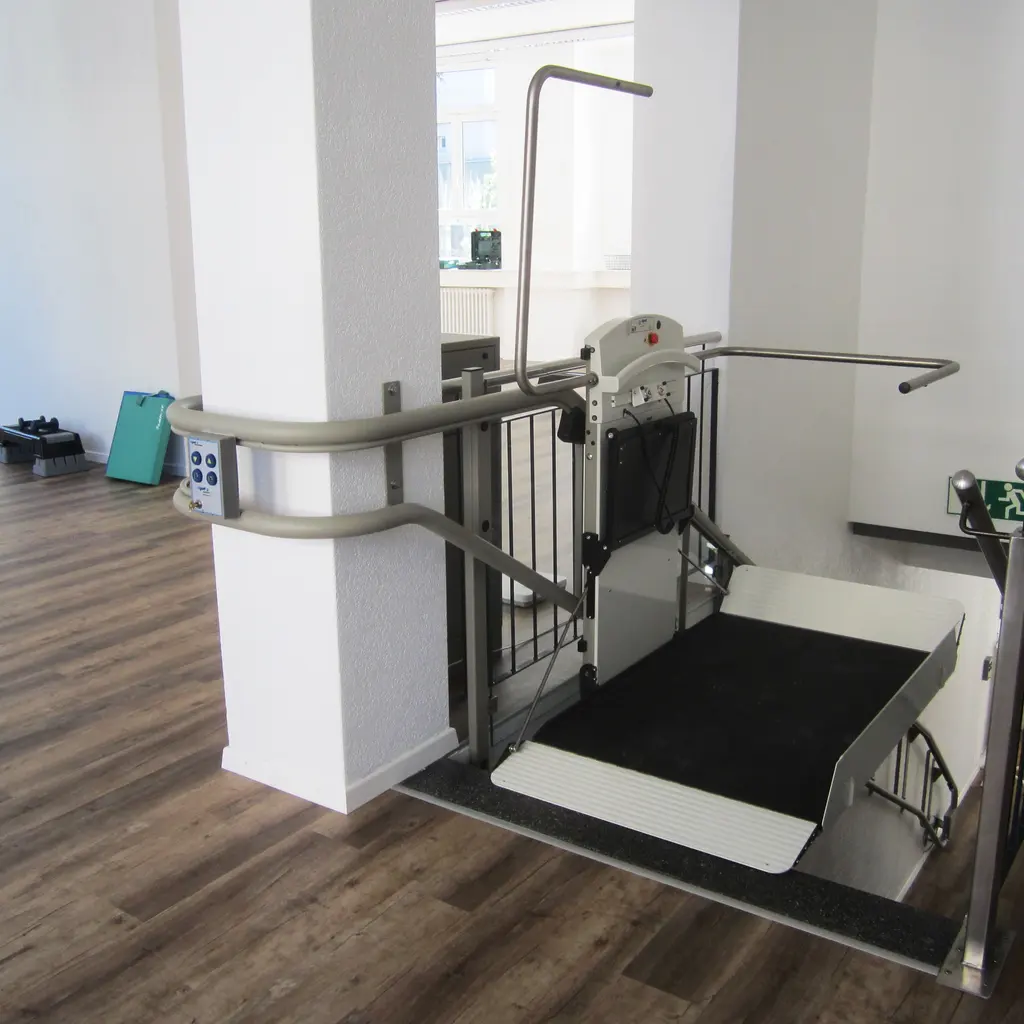
Your home provides continuous supervision and personal care for residents with individual support needs. A transfer injury, medication mistake or missed day-program handoff can raise questions about the duties your staff and outside providers actually hold.
The Southern Agency can review your individualized service plans and resident needs to help select appropriate insurance. We can discuss how to include coverage for staff injuries during resident transfers or property protection for adaptive equipment.
Falls, choking, wandering, or behavioral incidents can harm residents who depend on staff for safety, leading to negligent-supervision claims.
Allegations against direct-support staff are a serious exposure for vulnerable residents and are often excluded or sublimited on standard policies.
Assisting with medications, transfers, and daily living creates liability if a mistake harms a resident under the home's care.
Direct-support workers face strains and injuries from lifting, transferring, and managing residents, driving workers' compensation exposure.
Driving residents to day programs, jobs, and appointments in program vehicles exposes the home to auto accidents and passenger injuries.
High turnover among support staff increases wrongful-termination, harassment, and wage-and-hour claim potential.
Service plans and health records create privacy and breach exposure if information is improperly accessed or disclosed.
Policies to ask about. Which ones fit depends on your operations, your contracts, and the carrier’s forms.
These hypothetical examples are not agency claim results. Whether a loss is covered depends on the facts, policy terms, and applicable exclusions.
Suppose a resident is injured during a transfer and a claim alleges inadequate assistance. Review the transfer method, care plan and accepted support duties of the insured worker and home. A professional claim may be considered under the actual terms; injury alone does not establish negligence or include every outside provider.
Suppose a program van collides with another vehicle while taking residents to a day program. Compare the actual driver, vehicle and auto terms for passenger injury and liability. Assistance during loading or a care allegation can involve separate duties and exclusions; one transport event does not establish every coverage.
Suppose a former support worker alleges wrongful dismissal. Employment practices terms may address a covered claim against the insured employer, subject to the alleged wrong and reporting dates. Unpaid wage or benefit balances, and any wage-and-hour allegation, need separate loss and exclusion review.
Start with the work you do and the questions your current policies leave unanswered. Carrier options depend on your location, risk, and underwriting. Explore our approach.
These homes commonly consider professional liability, general liability, workers' compensation, auto, and property coverage. The right mix depends on care level and staffing, subject to underwriting.
Residents depend heavily on staff, so abuse or neglect allegations carry serious consequences and are often excluded on standard policies. A dedicated endorsement may help respond, depending on the specific policy.
Yes. Lifting, transfers, and behavioral incidents make workers' compensation important for direct-support staff, with costs depending on payroll, duties, and prior claims.
If you drive residents to day programs, jobs, or appointments, business auto coverage is commonly needed to address accidents and passenger injuries, depending on vehicle use and policy terms.
It may respond to claims that personal care, supervision, or service planning fell short and harmed a resident, depending on the specific policy, endorsements, and facts.
Yes. Service plans and health records create privacy exposure if improperly disclosed, and coverage may help with response costs depending on the policy and exclusions.
Bring your questions, current policies, and relevant contracts. An agent can review coverage terms, exclusions, and the information carriers ask for, then explain the options available to you.