

Active-treatment and care liability
Allegations that habilitation programs, supervision, or health services fell short for dependent residents are a central facility exposure.
Try a different word, or check the spelling.
Your active-treatment program depends on consistent support and a building that remains fit for residents around the clock. Care liability and essential-system protection need to fit those duties, without treating survey findings or routine maintenance as automatic claims.
Identify actual certification, active-treatment duties and the systems needed to keep residents housed and supported.
Your facility provides structured habilitation and care for residents with long-term needs, where a resident fall or a medication error can lead to a regulatory or liability claim. The continuous nature of your care requires careful management of both your building systems and your clinical documentation.
The Southern Agency can review your active-treatment programs and staffing requirements to help select appropriate insurance. We can discuss professional liability for resident care and equipment breakdown for your building's HVAC and care systems.
Allegations that habilitation programs, supervision, or health services fell short for dependent residents are a central facility exposure.
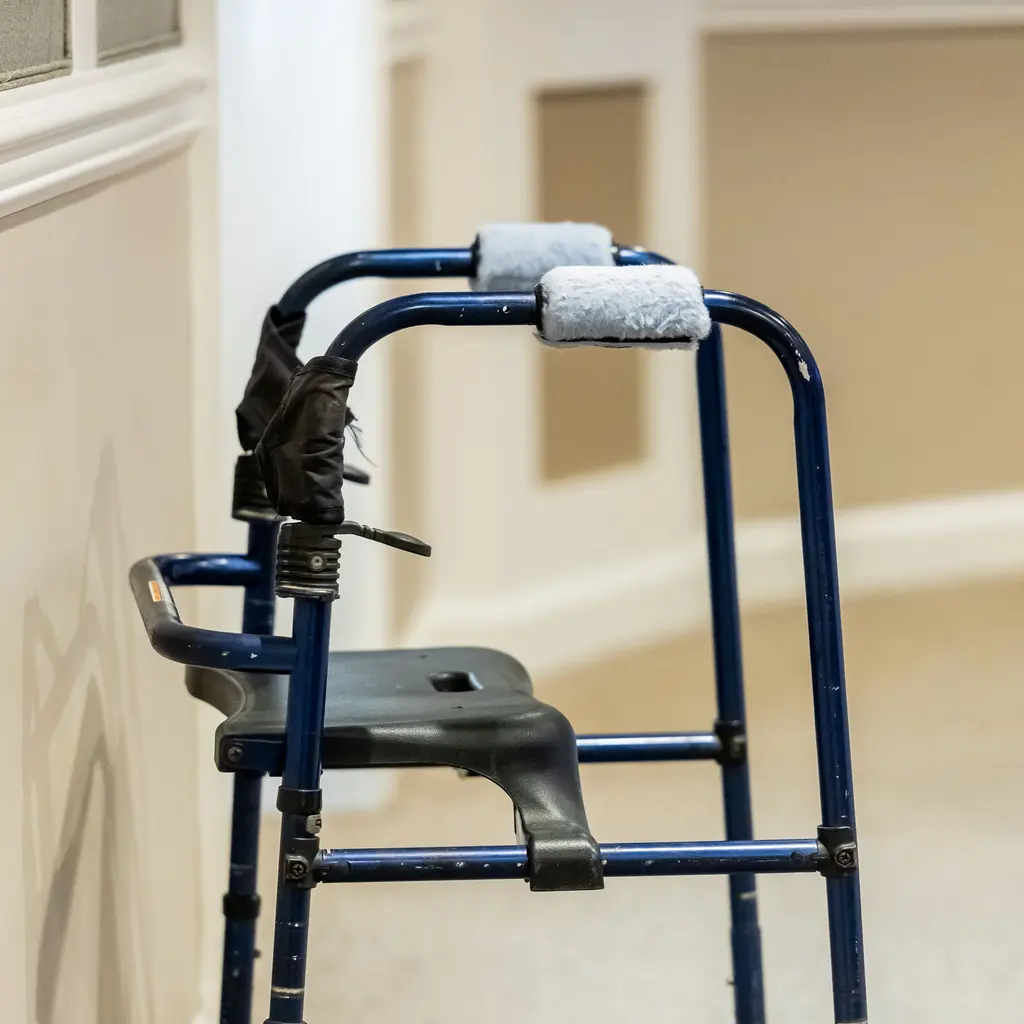
Mobility limitations and behavioral needs make falls and injuries common, leading to professional and general liability claims.
Routine medication management for many residents creates liability if a dosing or administration mistake causes harm.
Allegations involving vulnerable residents are serious and frequently excluded or sublimited without a dedicated endorsement.
Lifting, transferring, and managing residents exposes staff to strains and injuries that drive workers' compensation costs.
A 24-hour residential facility faces fire, water, and system losses that can disrupt resident care and require relocation.
Applicable certification and documentation rules can bring surveys, citations and related allegations. Identify the facility's actual status and service duties rather than assuming every residence is an ICF/IID or every citation is an insured claim.
Policies to ask about. Which ones fit depends on your operations, your contracts, and the carrier’s forms.
These hypothetical examples are not agency claim results. Whether a loss is covered depends on the facts, policy terms, and applicable exclusions.
Suppose a resident is injured during an active-treatment program and inadequate supervision is alleged. Professional response depends on the actual duty, accepted program and insured staff or operator. Injury alone does not prove negligence, and a program name does not include every outside provider.
Suppose an internal boiler breakdown leaves a residential wing without heat. Repair and purchased extra-expense terms may address eligible costs, including resident relocation only where included. Establish the covered event, limits and restoration period; a precautionary move or maintenance need alone is not the trigger.
Suppose an intrusion exposes resident health records. Cyber terms may address covered investigation, notification and privacy claims, subject to actual data duties and response approval. A documentation deficiency found in a survey is a different issue from an insured security or privacy event.
Start with the work you do and the questions your current policies leave unanswered. Carrier options depend on your location, risk, and underwriting. Explore our approach.
These facilities commonly consider professional liability, general liability, property, workers' compensation, and equipment breakdown coverage. The right mix depends on services and acuity, subject to underwriting.
Describe actual ICF/IID certification, active-treatment services, and each resident’s medical needs. A skilled-nursing comparison does not establish a universal lower-acuity boundary, insured services or policy eligibility.
Residents are vulnerable and dependent, so allegations are serious and often limited on standard policies. A dedicated endorsement may help respond, depending on the specific policy.
HVAC, boilers, and care equipment are critical to resident safety, and equipment breakdown coverage may help restore systems and limit disruption, depending on policy terms.
Facilities hold resident health records, so cyber coverage may help with breach response and privacy liability if data is exposed, depending on the specific policy and exclusions.
Direct-care duties involve lifting and transfers, making workers' compensation important, with costs depending on payroll, job duties, and prior claims experience.
Bring your questions, current policies, and relevant contracts. An agent can review coverage terms, exclusions, and the information carriers ask for, then explain the options available to you.