

Solvent fire and explosion
Flammable solvents and monomers used in compounding create serious fire and vapor-explosion potential within mixing and storage areas.
Try a different word, or check the spelling.
Your bond can be part of a much larger assembly or building. Product protection needs to distinguish damage beyond the adhesive from removing and reapplying it, while chemical-release and reactor concerns need their own terms.
The Southern Agency helps you evaluate product liability, environmental exposure, and plant-machinery risks for your chemical blending operations.
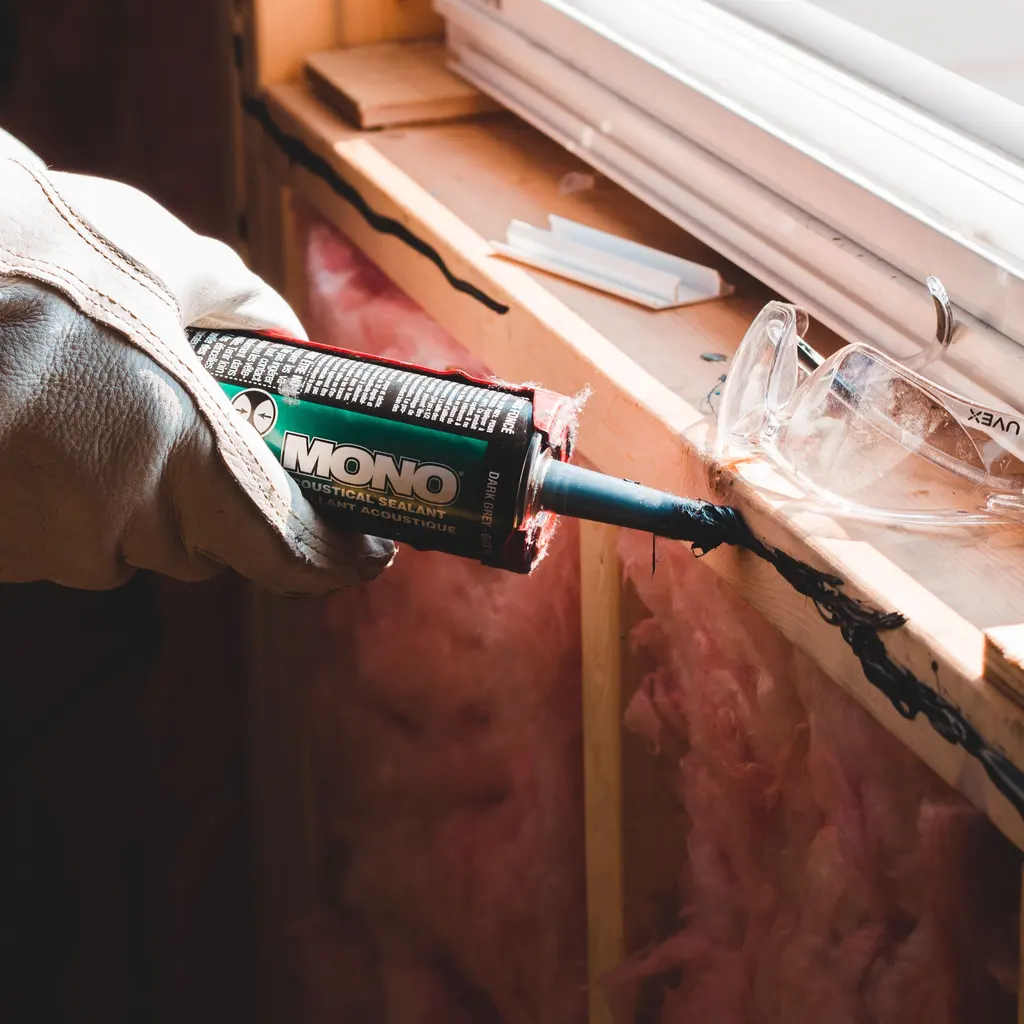
You blend or compound adhesives, sealants or epoxies for construction and industrial uses. A bond failure can damage a customer's building or assembly, while a mixing upset can spoil a batch and damage equipment. Heat, solvent and release hazards depend on the water-based, solvent-based or reactive chemistry you use.
The Southern Agency can review your chemical handling and production methods to help you select appropriate insurance. For example, we can discuss environmental liability for your waste disposal processes alongside equipment-breakdown protection for your reactors.
Flammable solvents and monomers used in compounding create serious fire and vapor-explosion potential within mixing and storage areas.
If an adhesive or sealant fails to cure or bond as specified, customers may pursue claims for resulting property damage or rework.
Exothermic curing and polymerization reactions can overheat or run away, damaging reactors and triggering releases if not controlled.
Volatile organic compounds and chemical waste streams can create regulatory and third-party pollution claims.
Heated reactors, mixers, and cartridge or tube fillers are critical, and failures can halt production and spoil in-process batches.
Compounding and filling staff face inhalation, skin contact, and burn hazards from solvents, resins, and curing agents.
Policies to ask about. Which ones fit depends on your operations, your contracts, and the carrier’s forms.
These hypothetical examples are not agency claim results. Whether a loss is covered depends on the facts, policy terms, and applicable exclusions.
A construction sealant fails to cure and water intrusion damages a customer's building. Product liability may respond to the damage claim, depending on the policy and facts. Review the building damage separately from the cost to remove, repair, or replace the sealant. Impaired-property provisions and warranty, contract, and recall terms still affect which costs may be covered.
Solvent vapors ignite during a transfer, damaging mixing equipment and the building. Property and business income coverage may help with repair and lost output if the cause and property interests are covered. The income protection purchased, waiting period, and restoration terms govern any interruption claim. Lost output value and solvent-related expenses are not reimbursed simply because a fire occurred.
Neighbors allege harmful emissions from the plant's solvent operations. Environmental coverage may help with defense and cleanup, subject to endorsements, and exclusions. Check whether the pollutant, site and release fall within the policy and whether reporting and consent requirements are met. The complaint alone does not make fines or routine compliance costs covered expenses.
Start with the work you do and the questions your current policies leave unanswered. Carrier options depend on your location, risk, and underwriting. Explore our approach.
Adhesives and sealants are bonded into customer assemblies, so a cure or bond failure can cause downstream damage. Product liability may respond, subject to underwriting and policy terms.
Solvent use produces VOC emissions and waste streams that can trigger cleanup or third-party claims. Environmental liability may help, depending on operations and the specific policy.
Insurers commonly review flammable-liquid storage, ventilation, and fire suppression when setting property terms, since solvents drive significant fire exposure at these plants.
It may apply to a covered internal failure of a reactor, mixer, or filler. A runaway reaction or bad formulation requires a different cause-of-loss review. Check repair costs, whose stock and batches are affected, and any income and extra-expense coverage purchased, including waiting and restoration periods. Heat from a reaction, spoilage or maintenance costs alone is not enough to show coverage.
Workers' compensation commonly responds to chemical-exposure and burn injuries. Requirements vary by state and coverage depends on the specific policy and payroll classifications.
Check for a separate product-withdrawal provision that includes the adhesive and its end use. Review the safety or defect event required, notice and consent conditions, and expenses included. Product liability for injury or damage does not by itself provide recall coverage. Replacement, removal and reapplication, refunds, and customer penalties need specific review, and an endorsement may not be available for your operation.
Bring your questions, current policies, and relevant contracts. An agent can review coverage terms, exclusions, and the information carriers ask for, then explain the options available to you.