

Solvent fire and explosion
Where flammable solvents are stored or processed, their quantity, handling, and ignition controls matter to fire and vapor hazards. Identify the carriers and materials rather than assign the same hazard to every coating.
Try a different word, or check the spelling.
Your customer may ask for a surface to be recoated when color or adhesion is wrong, without damage beyond the coating itself. Product protection needs to distinguish that correction from covered harm, alongside the actual carriers and chemicals in your plant.
The Southern Agency can help you align your chemical coating manufacturing risks with the insurance coverage you need.
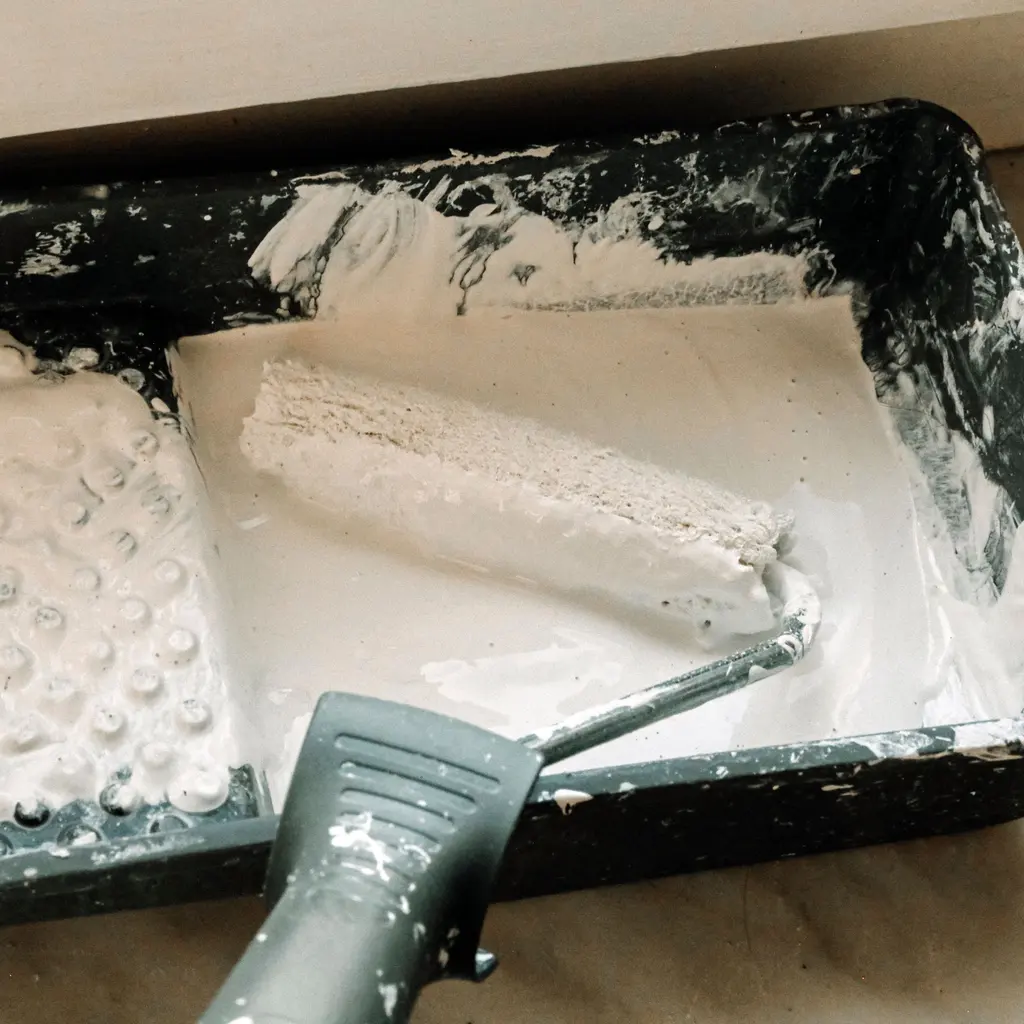
You formulate and package coatings using resins, pigments and water, solvents or other carriers. Actual chemicals and quantities determine fire and vapor hazards. After application, a customer may demand stripping and recoating for failed adhesion or color, or allege separate damage to the surface underneath.
The Southern Agency can review your mixing and filling operations to help you select appropriate insurance for your specific chemical lines. We can help you distinguish between product liability for surface damage and the separate business needs for pollution, batch replacement, or worker safety.
Where flammable solvents are stored or processed, their quantity, handling, and ignition controls matter to fire and vapor hazards. Identify the carriers and materials rather than assign the same hazard to every coating.
Adhesion failure, peeling, discoloration, or defects after application can lead to product liability and expensive recoat claims.
Volatile organic compounds and solvent waste create air-emission and contamination exposure subject to regulatory and third-party claims.
High-speed dispersers, mixers, and filling lines are essential, and a breakdown can halt production and spoil in-process batches.
Bulk ingredients and finished coatings concentrate value. Identify flammable materials and covered fire causes and value stock at its processing and storage locations.
Staff face solvent inhalation, burns, and chemical-contact hazards during dispersing, blending, and filling operations.
Policies to ask about. Which ones fit depends on your operations, your contracts, and the carrier’s forms.
These hypothetical examples are not agency claim results. Whether a loss is covered depends on the facts, policy terms, and applicable exclusions.
A protective coating peels prematurely and the customer demands full recoating. Establish what happened to the underlying equipment and distinguish physical damage from a failed finish. Review product, own-product, impaired-property and contract terms separately from replacing paint, stripping, surface preparation, recoating, and promised durability.
Solvent vapors ignite near a disperser, damaging equipment and inventory. Property and business income coverage may help with repairs and lost output, subject to the policy and exclusions. Check the covered fire, insured equipment and stock values and the income coverage purchased; a fire does not establish payment for rejected formulations or every customer order.
A solvent spill and emissions prompt a neighbor and regulatory complaint. An environmental policy may respond to defense and cleanup, depending on endorsements and exclusions. Review the covered release and claim and reporting or consent conditions; a neighbor or regulatory complaint does not itself insure normal controls, upgrades, or fines.
Start with the work you do and the questions your current policies leave unanswered. Carrier options depend on your location, risk, and underwriting. Explore our approach.
Determine whether the coating caused injury or physical damage to the customer’s surface or instead failed adhesion, color or durability expectations. Bring the preparation and application facts. Review own-product, impaired-property, professional and contract terms separately from stripping, recoating, replacement paint and customer delay.
Describe the carriers, quantities, dispersing, and filling stages and storage. Flammable solvent formulations and water-based lines can have different hazards; neither description alone establishes all fire, worker or pollution protection. Compare the materials and causes included in the proposed terms.
Identify emissions, solvent spills, and waste routes and the release or third-party allegation. Review cleanup, sites, prior conditions, and reporting or consent. Normal emission control, treatment, permit work, and fines are separate from an insured pollution response.
Insurers review flammable-liquid storage, ventilation, and suppression because solvents drive major fire exposure. Property terms depend on those controls and the specific policy.
Identify a covered internal disperser, mixer or filler failure and compare purchased stock and income terms with repair, cleaning, and restart time. Wear, a formulation error, routine flushing or missed production alone does not establish payment for the machine, batch, or lost orders.
Review any separately offered withdrawal form for the coating, end use, defect trigger, expenses, and reporting, or consent. Liability for injury or damage does not itself fund retrieval, refunds or replacement. Routine color correction, warranty work, and full customer recoating may be treated differently.
Bring your questions, current policies, and relevant contracts. An agent can review coverage terms, exclusions, and the information carriers ask for, then explain the options available to you.