Skip to content

Synthetic Resin And Polymer Plant Insurance

Your resin output can fall when a feedstock supplier stops or a key customer loses demand, even without damage in your plant. Any dependent-property income terms need the specific dependency and insured cause, separately from a failed formulation.

The Southern Agency can help you evaluate your coverage for chemical processing risks, reactor dependencies and downstream environmental liability.

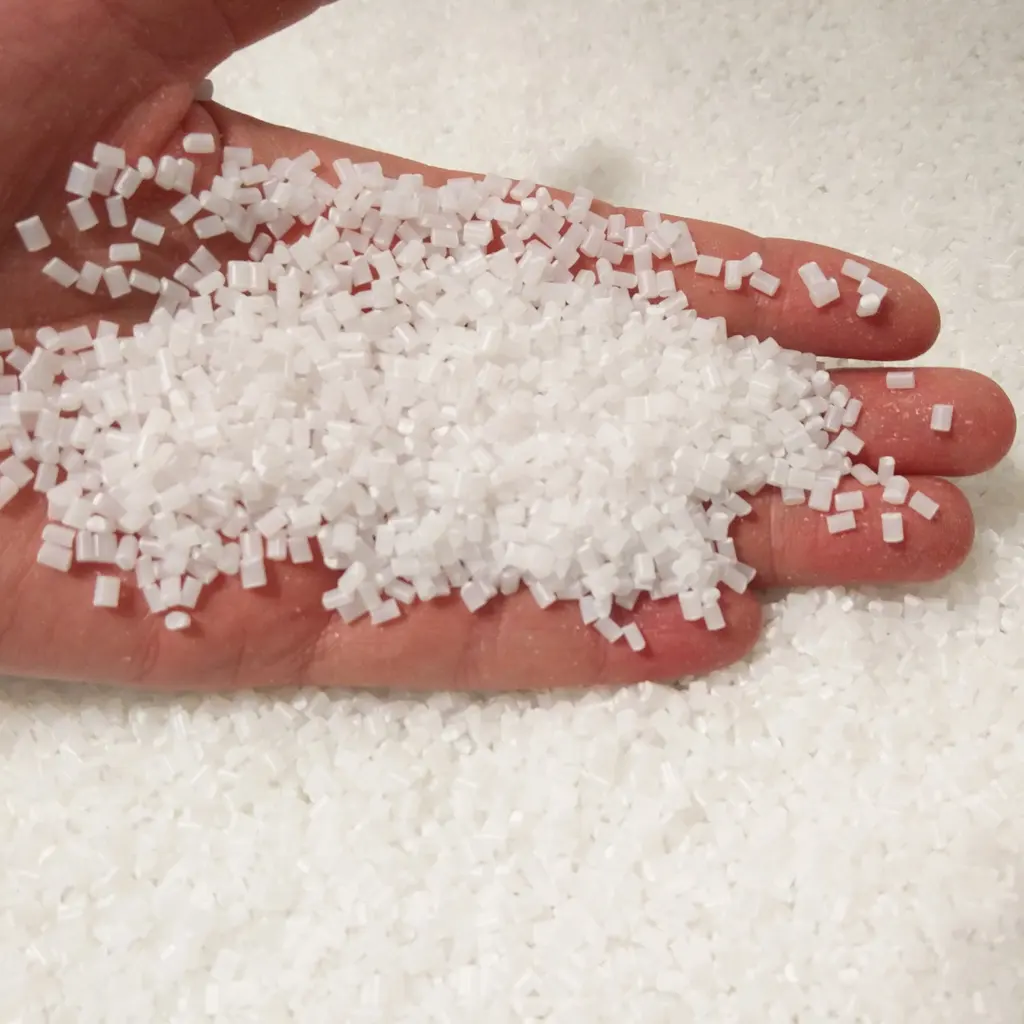
White plastic resin pellets resting in an open hand above more pellets.

Industry overview

Your plant produces resins through polymerization or compounding, involving high pressures, temperatures, and chemical handling. Reactor failures, fires or chemical releases can have significant impacts on your plant and downstream customers.

The Southern Agency can review your chemical formulations, production dependencies, and environmental routes to help you select appropriate insurance. We can help you map out coverage differences, such as distinguishing between a plant fire and an environmental cleanup claim.

Risks worth discussing

Reactor fire or runaway reaction

An uncontrolled heat-producing reaction, pressure excursion or ignition of a flammable feedstock can damage the process area. Identify the chemistry, inventory and safeguards; a reaction upset is not itself proof of covered internal machinery damage.

Off-spec resin and downstream failures

Wrong melt flow, viscosity, strength or contamination can lead to rejected parts, reruns or customer damage allegations. Establish the loss, including any loss of use, and who selected the grade and application rather than equate every failed batch with insured product damage.

Monomer and feedstock storage hazards

Storage, transfer and charging hazards depend on the actual monomers, catalysts, additives, quantities, and material properties. Bring safety data and compatibility assessments; not every feedstock has the same fire or exposure profile.

Air emissions and water discharge

A vapor release or wastewater upset may prompt cleanup demands or third-party and regulatory claims. Routine treatment, permit correction, upgrades, and penalties require separate review from a covered pollution condition.

Equipment breakdown and downtime

Reactor, extruder, pelletizer or cooling-system damage can stop continuous output and affect in-process polymer. Wrong formulation, normal fouling, wear and loss of output alone do not establish insured breakdown or stock spoilage.

Worker chemical and thermal exposure

Charging, hot extrusion, transfer, and maintenance expose staff to chemical contact, inhalation, and thermal hazards. Describe the actual chemicals, tasks, worker status, and controls.

Contingent business interruption

A feedstock supplier or key customer interruption can reduce revenue without damage at this plant. Any dependent-property income extension needs its own insured cause, dependency, waiting periods, and limits; shortage or lost demand alone does not establish a claim.

Situations to think through

These hypothetical examples are not agency claim results. Whether a loss is covered depends on the facts, policy terms, and applicable exclusions.

  1. Hypothetical: Off-spec resin lot

    A wrong-melt-flow resin lot makes a molder’s parts fail in production, and the customer seeks failed-part costs and lost output. The stated quality problem does not establish covered injury or property damage, including loss of use under the actual terms. If manufacturer errors-and-omissions protection is offered for the resin and duties involved, it may address a covered financial-loss claim; own-product, impaired-property, contract and timing restrictions still matter.

  2. Hypothetical: Reactor pressure event

    A reactor pressure excursion leads to a fire that damages the process area. Commercial property may address covered fire damage to insured equipment and stock. Equipment breakdown requires its own covered internal cause; a pressure event or fire alone does not prove both grants. Purchased income and extra expense have separate waiting periods, restoration terms and limits.

  3. Hypothetical: Wastewater discharge

    A treatment upset sends out-of-limit process water to a municipal system, prompting a regulatory claim and response costs. Environmental insurance may address eligible defense or cleanup if the event satisfies its pollution-condition and claim terms. The demand alone does not establish payment for permit correction, treatment upgrades, or penalties; notice, consent and applicable restrictions still govern.

Before you talk to an agent

What to have ready

Tick items as you gather them. Nothing here is saved or sent.

Questions to raise

  • Follow each resin grade into its customer application. Separate failed tests, rejected lots, and customer reruns from injury, damage and alleged loss of use; review any financial-loss terms for the actual product or services.
  • Map reaction, cooling, extrusion, and pelletizing dependencies. Estimate equipment repair, safe batch restart, and affected stock separately, then compare property causes, insured internal breakdown and purchased income.
  • Identify storage, emissions, wastewater, transport, and disposal routes and actual pollution conditions. Compare response and third-party claims with routine treatment, permit duties, upgrades, and penalty restrictions.
  • Name important feedstock suppliers and customer dependencies and the causes that could stop them. Offered contingent-income protection needs an included dependency and event; ordinary supply delay or falling demand is not a sufficient trigger.
  • Compare plausible liability losses and buyer requests with primary limits, excess attachment, and exclusions. The additional layer needs to include the products and duties involved; raising a product-liability limit does not itself insure the plant, process repair or a pollution release.

Contract terms to check

  • Allocate resin formulation, grade selection, compounding, manufacture, customer design, and application advice. Compare products and duties insured with professional exclusions; financial-only disputes need a form that actually includes the relevant product or service.
  • Separate resin replacement, failed customer parts, reruns, refunds, withdrawal, and performance promises from covered injury, property damage and loss of use. If manufacturer errors-and-omissions terms are offered, review products, financial damages, exclusions, and claims-made prior-acts and reporting requirements where used.
  • Compare supply and distributor requests, additional-insured status, indemnities, and excess limits with issued endorsements. A certificate or an agreed resin-performance remedy does not amend cover or establish that the requested capacity or recall expense is available.
  • Record feedstock, stock, equipment, and tooling owners and lender requirements. Map supplier and customer dependencies and insured-event terms separately from delivery guarantees, shortage or ordinary lost demand.
  • Allocate site, waste, transport and disposal duties and response authority. Check pollution conditions, prior history, reporting, and consent and any claims-made dates; a permit, regulatory demand or municipal discharge dispute does not insure every cleanup, upgrade or penalty.

What the agent conversation looks like

Start with the work you do and the questions your current policies leave unanswered. Carrier options depend on your location, risk, and underwriting. Explore our approach.

  1. ListenReview your operations, current coverage, and past claims.
  2. AssessIdentify potential hazards and discuss ways to reduce risk.
  3. BuildDiscuss policy and carrier options, premium costs, and audits.
  4. SupportReview changes and help you plan ahead as your needs develop.

Questions owners ask

What makes resin plant insurance different from general manufacturing?

The actual chemistry, reaction and cooling controls and resin’s customer use determine the questions. Identify polymerization versus compounding, values and pollution routes, then distinguish fire, internal breakdown, product damage and financial disputes. No generic manufacturing or package label establishes all of those grants.

Why is environmental coverage emphasized?

A monomer spill, vapor release or wastewater upset can create cleanup or third-party claims that need pollution-specific terms. Compare chemicals, conditions, and sites included, prior history, reporting and consent. Normal treatment, permit correction, upgrades and fines are not established as insured expenses by an exceedance or complaint alone.

How does product liability apply to a resin supplier?

A resin allegation may involve covered injury or property damage, including defined loss of use, but a rejected grade or failed part alone does not establish it. Separate resin replacement, customer rework, withdrawal, and financial-only demands. If manufacturer errors-and-omissions or advice cover is offered, confirm the resin, use and duties, exclusions and applicable claim and reporting dates.

Do reactors and extruders need equipment breakdown coverage?

An insured internal event may qualify for eligible repair of the included reactor, extruder, or cooling system. Spoiled polymer, income and extra expense need their purchased terms and restoration periods. Reaction upset, wrong formulation, fouling, wear and a stopped run do not by themselves establish those benefits.

Why consider excess or umbrella limits?

Compare plausible injury, customer-damage, and release claims with buyer requests, primary aggregates and defense treatment. Any excess layer has its own attachment, scope and exclusions. Additional capacity does not itself add pollution, recall, stock, or machine protection, and the resin’s uses and duties must fit the underlying and excess terms.

What drives premium for a polymer plant?

Provide reactor capacity and feedstock inventory, chemistry and reactivity, process safety and emergency controls, output and revenue, customer uses, pollution controls and permits, plant construction, fire protection and claims history. Add property values and workforce duties for the actual cover requested. Those facts inform a quote, not guaranteed acceptance, terms, or price.

Talk through your synthetic resin and polymer plant coverage

Bring your questions, current policies, and relevant contracts. An agent can review coverage terms, exclusions, and the information carriers ask for, then explain the options available to you.

How can we help you get started?

Choose the quote that fits, and we’ll take it from there.

Have a question? Contact us