

Aviation product liability
A defect in assembly or integration can contribute to an in-flight failure, creating catastrophic product liability and fleet-wide grounding exposure.
Try a different word, or check the spelling.
Your assembly schedule can depend on a specialist supplier whose own loss leaves parts unavailable. Any dependent-property benefit needs to fit that supplier and cause, separately from shortages, rework, and liability for the finished aircraft.
The Southern Agency helps you evaluate aviation product liability, facility property, and specialized cyber risks for your assembly plant.
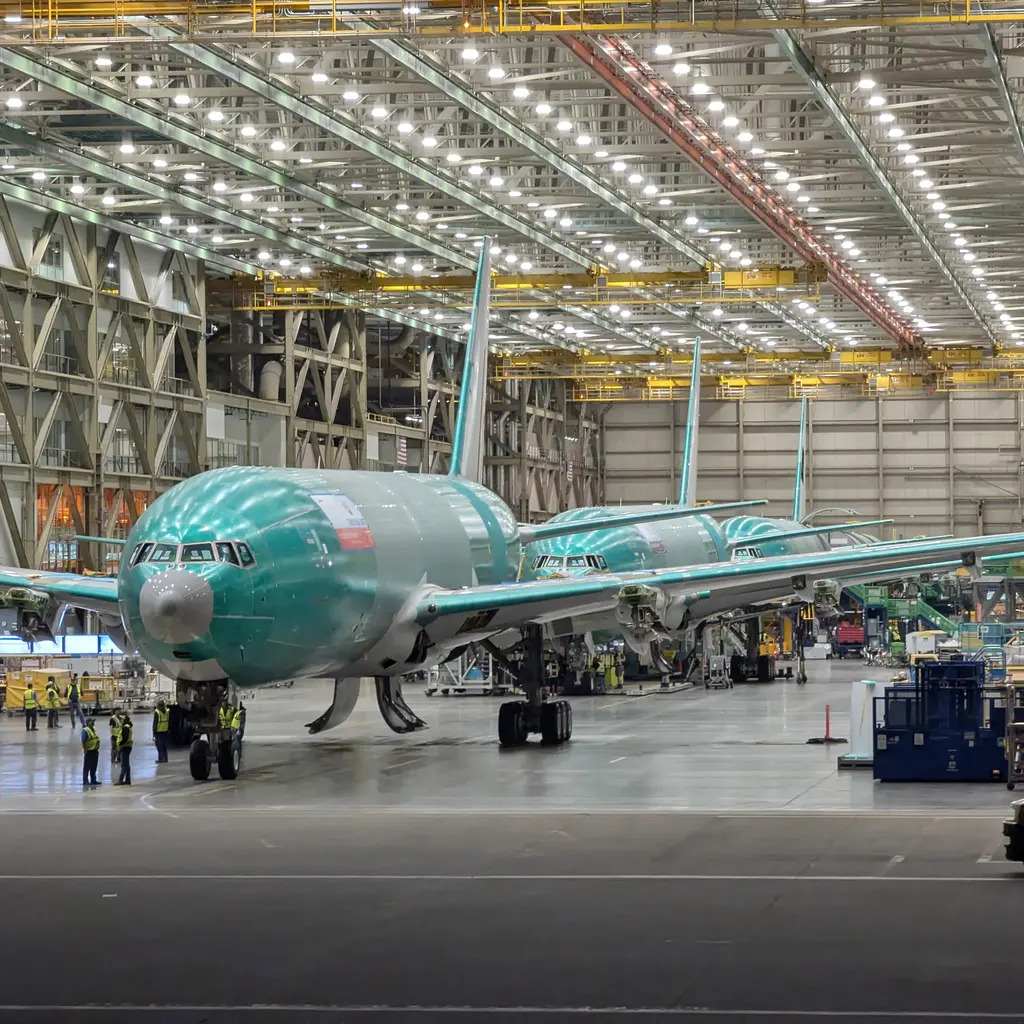
Your aircraft assembly plant integrates high-value airframes and complex systems into finished aircraft. The presence of expensive tooling and partially completed units exposes you to significant property and aviation-related liability risks.
The Southern Agency can review your assembly-line valuation and integration duties to help you select appropriate insurance. For example, we can help assess whether your property policy accounts for customer-owned tooling and coordinate your aviation liability for finished aircraft.
A defect in assembly or integration can contribute to an in-flight failure, creating catastrophic product liability and fleet-wide grounding exposure.
Tooling, jigs, test rigs, and work-in-process aircraft concentrate enormous value where a fire or storm could cause a severe single loss.
A specialized supplier's loss or delay can halt assembly. Any purchased dependent-property income coverage needs to include the supplier, location, and cause, with its waiting and restoration conditions met. A shortage alone is not covered damage.
Proprietary and controlled technical data can bring privacy, intellectual-property, or export-control allegations after a breach. Work with qualified advisers to identify the data and your legal duties. Cyber insurance is not proof of compliance with the International Traffic in Arms Regulations (ITAR) or coverage for every penalty.
Composite layup, fastening, sealing, and heavy lifts expose employees to chemical, fall, and crush hazards on the assembly floor.
Quality escapes or documentation gaps can lead to costly rework, regulatory action, and contract claims from airline and defense buyers.
Policies to ask about. Which ones fit depends on your operations, your contracts, and the carrier’s forms.
These hypothetical examples are not agency claim results. Whether a loss is covered depends on the facts, policy terms, and applicable exclusions.
A component is alleged to have been improperly installed during assembly, prompting an inspection order across delivered aircraft. An aviation product policy may help with defense and liability, subject to its terms, endorsements, and exclusions. Review the grounding order or service bulletin against the policy's trigger and any third-party aircraft loss-of-use claim. The assembler's inspection, recall, modification, and certification costs are separate; the order alone does not assure reimbursement.
A fire damages assembly jigs and an aircraft in process. Property coverage may respond, depending on the policy and facts. Establish who owns the jigs and aircraft and whose interest is insured, then check valuation, exclusions, and whether aircraft in process or testing are included. Fire damage to an aircraft is not enough by itself to show that a general property policy covers it.
An intrusion exposes controlled design data and disrupts production systems. Cyber coverage may help with breach response and liability, depending on the policy and exclusions. Review the data and production event and any response and interruption protection purchased. The data's controlled status is not proof of compliance or payment for all intellectual-property losses or export penalties.
Start with the work you do and the questions your current policies leave unanswered. Carrier options depend on your location, risk, and underwriting. Explore our approach.
Because an assembly defect can contribute to an in-flight failure with catastrophic consequences. Aviation product liability is designed for that severity and may respond to defense and damages, subject to policy terms.
Partially completed aircraft and specialized tooling carry exceptional value. Property coverage should be set to reflect peak work-in-process and tooling values, subject to underwriting review.
Yes, but income protection depends on the supplier loss and coverage purchased. List component suppliers and their locations, then review the dependent-property provision's covered damage cause, trigger, waiting period, restoration period, and limits. A shortage, contract delay, certification hold or insolvency alone is not enough to show an insured supplier interruption.
It can. Plants handle proprietary and export-controlled data. Cyber coverage may help with breach response and liability if systems are compromised, depending on the specific policy.
Compare potential losses and customer limit requests with the aviation products and grounding liability expressly included in the underlying and excess policies. Review when excess limits begin, defense provisions, and exclusions. There is no universal limit for every plant. An ordinary umbrella does not assure aviation protection or payment of the assembler's own inspection, recall, or property costs.
Most states require it for employees, and assembly involves composites, heights, and heavy lifts. Requirements vary by state and the processes performed.
Bring your questions, current policies, and relevant contracts. An agent can review coverage terms, exclusions, and the information carriers ask for, then explain the options available to you.