

Uncontained engine failure liability
A defect in a turbine disk or critical part can cause an uncontained failure in flight, driving catastrophic aviation product liability and inspection demands.
Try a different word, or check the spelling.
Your engine may be listed as insured property while a particular test event still needs separate terms. Test-cell, breakdown and aviation liability protection should distinguish damage during a run from performance guarantees or fleet-grounding demands.
The Southern Agency helps you evaluate aviation product liability, test-facility property, and chemical-handling environmental risks.
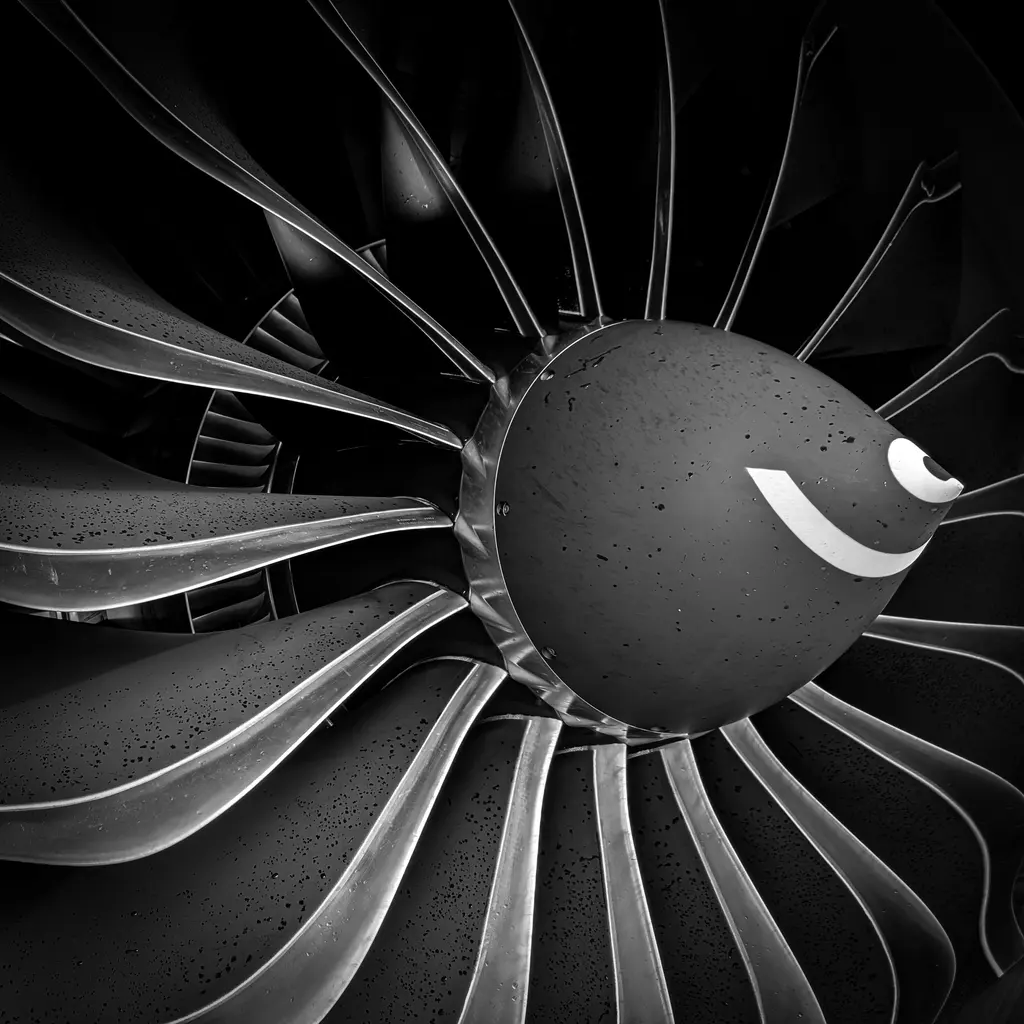
You machine parts, assemble aircraft engines and carry out the tests your production or development work requires. Turbine, piston and component-only operations create different questions. A test-cell fire can damage an owned or customer engine, while a defect alleged after flight can lead to aircraft damage, injury or fleet inspection demands.
The Southern Agency can review your test-cell safety and engine-fabrication processes to help you select appropriate insurance. For example, we can discuss pollution liability for your metal-treatment processes alongside property coverage for engines entrusted to your care.
A defect in a turbine disk or critical part can cause an uncontained failure in flight, driving catastrophic aviation product liability and inspection demands.
High-energy engine run testing subjects equipment to extreme thermal and mechanical stress, creating fire, explosion, and severe property damage potential.
Heat treating and plating involve hazardous chemicals and hot metal, creating worker injury and pollution exposure within the facility.
Specialized tooling, metrology equipment, and finished engines concentrate extraordinary value vulnerable to fire or single-event loss.
CNC machining of alloys exposes operators to laceration and crush hazards and generates fine metallic dust requiring control.
Engine designs and export-controlled data create breach, IP, and ITAR-related cyber exposure if production systems are compromised.
Policies to ask about. Which ones fit depends on your operations, your contracts, and the carrier’s forms.
These hypothetical examples are not agency claim results. Whether a loss is covered depends on the facts, policy terms, and applicable exclusions.
A rotating part is alleged to have a manufacturing defect, prompting a fleet inspection order. An aviation product policy may help with defense and liability, depending on its terms. Check whether the defect or grounding meets the policy's requirements and whether a third party is claiming aircraft loss of use. The order alone does not establish coverage for the maker's inspection, teardown, replacement, or recall expenses.
An engine under high-energy test ignites and damages the test cell and adjacent equipment. Property or equipment breakdown coverage may respond, depending on whether the cause is a covered fire or internal breakdown and whether the testing conditions are included. Review damage to the test cell separately from damage to an owned or entrusted engine. Any resulting income claim also needs its own coverage and restoration review.
A plating chemical release prompts a regulatory cleanup demand. Environmental liability may help with remediation and defense if the chemical, site, and release fall within the policy. Prior conditions and notice and consent requirements still need review. A regulatory demand does not by itself establish coverage for compliance costs or fines.
Start with the work you do and the questions your current policies leave unanswered. Carrier options depend on your location, risk, and underwriting. Explore our approach.
An engine defect can cause a catastrophic in-flight failure. Aviation product liability is built for that severity and may respond to defense and damages, subject to policy terms and the facts.
Yes. Describe proof tests, experimental work, and high-energy runs, and identify who owns each engine. Ask how the property and breakdown policies treat testing, aircraft, and engines, including valuation and resulting damage. A failed run alone does not establish payment for the engine, test-cell repairs, or lost income; review the shutdown and restoration terms too.
Usually not. Pollution from metal-treatment chemicals is commonly excluded. Environmental liability coverage may respond to release and cleanup claims, subject to policy terms.
Specialized tooling and finished engines carry exceptional value. Commercial property coverage should be set to reflect those peak values, subject to underwriting review.
Discuss the potential severity and accumulation of injury and other losses, then compare limits with your agent. Check that the excess policy includes the aviation products and any grounding liability covered by the underlying policy, and when the excess limits begin. There is no universal limit for every maker. An ordinary umbrella does not establish coverage above aviation or pollution, or pay your own recall and property costs.
Most states require it for employees, and the work involves hot metal, chemicals, and high-energy testing. Requirements vary by state and the processes performed.
Bring your questions, current policies, and relevant contracts. An agent can review coverage terms, exclusions, and the information carriers ask for, then explain the options available to you.