

Positioning and mapping errors
Inaccurate location output, routing, or outdated map data can contribute to wrong-route losses, groundings, or collisions for users relying on the device.
Try a different word, or check the spelling.
Your map or routing algorithm can give faulty guidance without a security breach. Product, technology and privacy protection should distinguish the accepted marine, aviation or fleet uses from map correction, device replacement and location-data claims.
The Southern Agency can help you evaluate your navigation hardware and software risks to choose appropriate insurance.
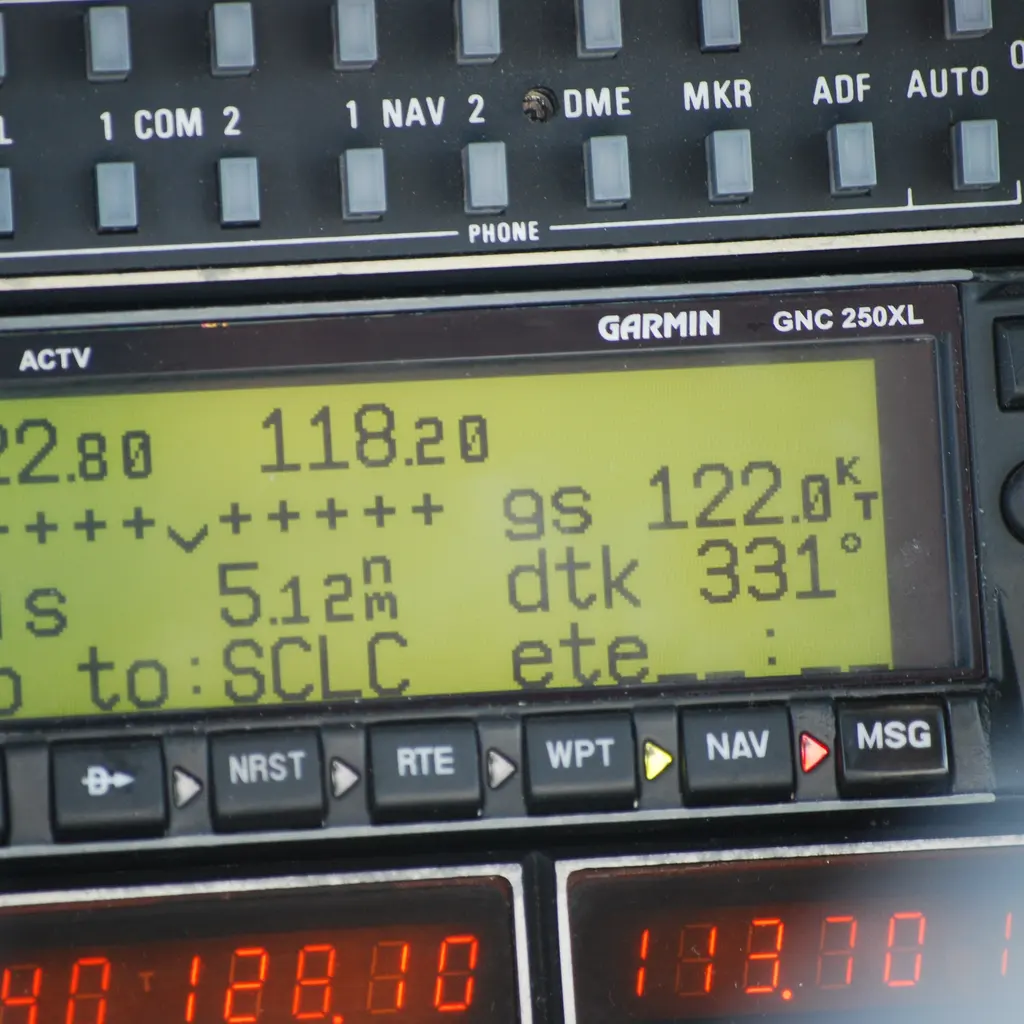
You build navigation hardware and the firmware or mapping software that powers it, often for maritime or aviation use. A unit failure or an outdated map can lead to significant financial or property losses for the user.
The Southern Agency can help you review how your software services and hardware manufacturing integrate. We can discuss, for instance, separating your cyber-liability needs for location data from the product liability associated with physical device failures.
Inaccurate location output, routing, or outdated map data can contribute to wrong-route losses, groundings, or collisions for users relying on the device.
A device that fails in marine, aviation, or fleet use can leave operators without guidance, raising serious liability concerns.
Bugs in navigation algorithms or firmware can cause faulty guidance, creating technology errors and omissions exposure.
Connected and fleet devices transmit location data, creating cyber and privacy risk if systems are breached or misused.
Specialized RF, antenna, and signal test equipment plus finished inventory are vulnerable to fire, water, and theft.
Navigation units and sensors shipped to dealers, fleets, and operators can be damaged or stolen in transit or storage.
A defect affecting navigation accuracy may require recall or firmware remediation across deployed units at significant cost.
Policies to ask about. Which ones fit depends on your operations, your contracts, and the carrier’s forms.
These hypothetical examples are not agency claim results. Whether a loss is covered depends on the facts, policy terms, and applicable exclusions.
A marine navigation unit gives faulty positioning and a vessel runs aground. Review the alleged vessel damage and other harm against the navigation applications and activities covered by the product and technology policies. Software involvement alone does not establish errors-and-omissions payment; injury, property-damage, and professional exclusions, as well as own-unit correction, need review.
A firmware update introduces a routing error affecting deployed fleet devices. Separate any claimed customer financial loss or physical harm from the cost of correcting firmware and replacing your units. Compare the technology activities covered, relevant exclusions and any claims-made reporting requirements; deploying the update does not establish a covered claim or recall.
Attackers access a platform holding fleet location data. A cyber policy may respond to breach response and privacy liability, depending on the specific policy and endorsements. A privacy claim and breach response require review of the data, systems, insured responsibilities, and policy conditions. They do not establish payment for ordinary navigation errors or accuracy guarantees.
Start with the work you do and the questions your current policies leave unanswered. Carrier options depend on your location, risk, and underwriting. Explore our approach.
A mapping or firmware error can generate financial-loss claims as well as allegations of physical harm. Compare the technology products and services covered with product liability, professional exclusions, and any bodily-injury or property-damage restrictions. If the policy is claims-made, check prior acts and reporting. Routine map correction or a guaranteed accuracy result should not be assumed insured.
Do not divide the claim solely into hardware versus software. A software error can be alleged to cause a grounding, while a failed unit can produce only lost fleet time. Compare the loss alleged and the products, services, and exclusions in both policies. Own-device replacement, warranty and recall costs need separate review.
Yes. Describe the location information collected, where it is held, and which party controls access or the hosted platform. Review breach-response and privacy claims under the cyber terms. A wrong route, stale map or ordinary software defect is not by itself evidence of a covered cyber event.
Identify the device’s function, users, and role in navigation, along with your design, integration, and approval responsibilities. Ask whether the proposed policies include those applications and what exclusions apply. An electronics classification or product approval does not establish insurance coverage or available terms.
Identify the insured owner, shipment values, carrier, and temporary-storage locations. Review the transit stages and causes covered, including theft and handling conditions. Carrier liability and direct protection for your navigation stock are different; neither should be assumed to follow every shipment automatically.
End uses, design and software responsibility, map or service commitments, location-data handling, stock values and loss history inform the review. Give the aviation, marine and fleet uses in detail. Those facts do not establish a quoted premium or available program.
Bring your questions, current policies, and relevant contracts. An agent can review coverage terms, exclusions, and the information carriers ask for, then explain the options available to you.