

Thermal runaway and cell propagation
A defective or damaged cell can overheat and ignite, with fire spreading across stored cells in formation, aging, or warehouse areas.
Try a different word, or check the spelling.
Your cell chemistry determines which electrode materials, solvents, and waste streams need attention. Property, environmental, and product protection should fit what you actually manufacture, not assume every battery uses cobalt or nickel or faces identical terms.
The Southern Agency can help you identify the insurance needed to manage the unique fire, chemical, and liability risks of battery production.
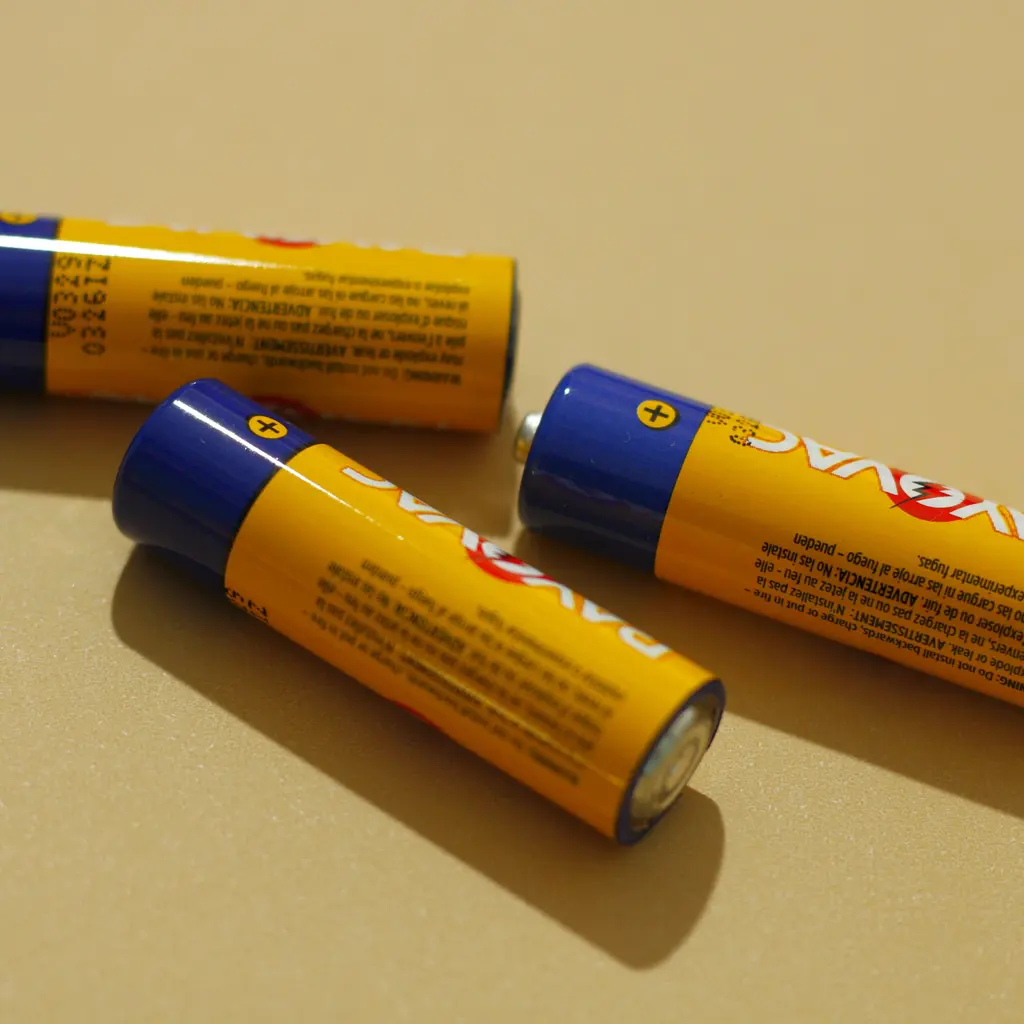
You make cells, modules or packs whose chemistry, state of charge and end use shape the risks at your plant and after delivery. In susceptible cells, thermal runaway can spread heat and fire to nearby stock. Electrode processing, assembly and formation also bring different chemical and machinery exposures, depending on the stages you perform.
The Southern Agency can review your facility's safety measures and chemical processes to help you select appropriate insurance. We can help you distinguish between a covered equipment breakdown and a routine process upset while identifying your product liability needs for batteries used in the field.
A defective or damaged cell can overheat and ignite, with fire spreading across stored cells in formation, aging, or warehouse areas.
Flammable electrode solvents and volatile electrolyte create ignition and explosion potential across coating and assembly operations.
Cells shipped into vehicles, tools, and devices can fail in use, prompting injury claims and costly recall or replacement programs.
The cell chemistry, electrode metals, solvents and possible release routes determine the chemical and waste hazards to review. Cathodes do not all use cobalt or nickel, so the materials present matter more than a general battery label.
Coating, drying, and formation systems are production-critical, and a breakdown can idle output and scrap in-process cells.
Staff handle reactive chemicals, high-energy cells, and hot equipment, raising burn, inhalation, and injury risk.
Reliance on specialized cathode and anode materials can magnify business interruption if production or sourcing is disrupted.
Policies to ask about. Which ones fit depends on your operations, your contracts, and the carrier’s forms.
These hypothetical examples are not agency claim results. Whether a loss is covered depends on the facts, policy terms, and applicable exclusions.
A cell in the formation area overheats and fire spreads to nearby inventory. Property coverage may respond to damage and lost stock, depending on the policy and facts. Check the covered cause, whose cells and stock are insured, and thermal and fire conditions. Any income claim needs the coverage and restoration terms purchased; payment for all inventory and restart costs is not assured.
A customer alleges a manufactured pack ignited in a vehicle and caused injury and damage. Product liability may help with defense and damages, subject to policy terms, endorsements, and exclusions. Check that the cells, pack, and vehicle use are included, then distinguish the alleged injury and other damage from the maker's replacement, warranty, recall, and customer chargeback costs.
A solvent spill on the electrode line requires cleanup and reporting. Environmental coverage may help with response costs if the solvent, site, and release fall within the policy. Review cleanup, consent, and reporting requirements. Notifying authorities of a spill or arranging routine disposal does not by itself make every expense a covered response cost.
Start with the work you do and the questions your current policies leave unanswered. Carrier options depend on your location, risk, and underwriting. Explore our approach.
Fire severity and product failures lead the list. Property, product liability, and excess coverage may help address these, though availability depends on underwriting and fire-protection controls.
It may. If a manufactured cell or pack fails and causes injury or damage, product liability can respond to defense and damages, depending on the specific policy, endorsements, and exclusions.
Thermal-runaway fires can spread across stored cells. Property coverage may respond to resulting damage, but limits, storage controls, and suppression systems affect terms and underwriting.
Where your process uses lithium compounds, heavy metals or solvents, a release can create cleanup and third-party claims. Review the materials and chemistry you actually use. Environmental liability may help, depending on the operation and specific policy.
Ask about a separate withdrawal provision that includes the chemistry, cells, packs, and end uses involved. Review the safety or defect event required, notice and consent conditions, expenses, and limits. Product liability alone does not assure recall coverage. Replacement packs, warranties, integrator chargebacks, and transport or disposal costs need specific review, and matching endorsement terms may not be available.
Review the potential accumulation of fire and product claims and the limits customers request, then compare the products included and underlying and excess policy terms. An ordinary umbrella does not automatically increase recall, pollution, your own cell inventory, professional or design, or cyber benefits. There is no universal limit or program for every battery facility.
Bring your questions, current policies, and relevant contracts. An agent can review coverage terms, exclusions, and the information carriers ask for, then explain the options available to you.