

Large-scale recall exposure
High production volumes mean a single defect can scale into a recall affecting thousands of vehicles, driving major product liability and repair costs.
Try a different word, or check the spelling.
Your networked robots and conveyors can stop for a mechanical reason or a security event, with different terms applying to each. Equipment and cyber protection need to fit the control systems, separately from supplier delays or vehicle recalls.
The Southern Agency can help you review actual vehicle duties, critical cells and supplier sites against distinct product, equipment, environmental and cyber terms.
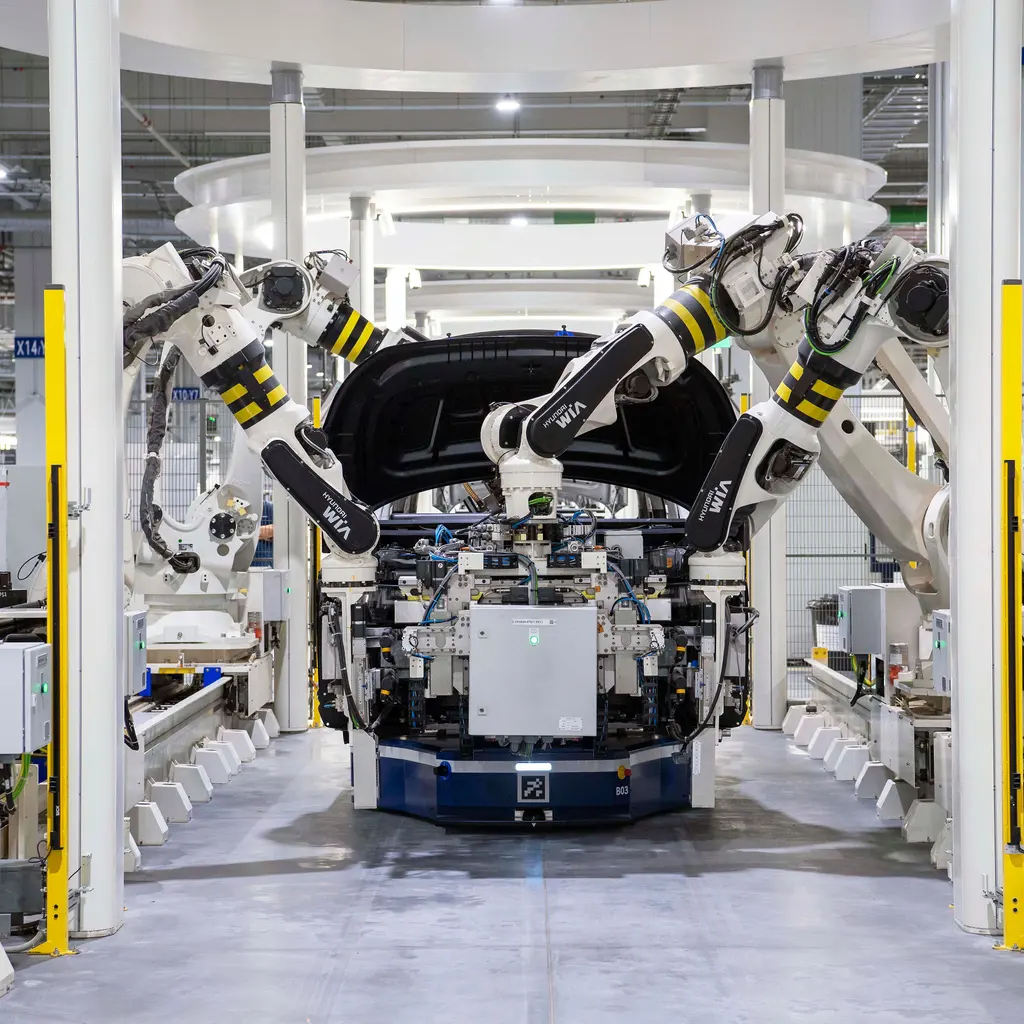
You operate complex assembly lines using robotics and paint systems to manufacture vehicles. A fire at your plant or a damaged conveyor can halt production, while a component defect can lead to significant liability claims.
The Southern Agency can review your robotic integration, supplier dependencies, and assembly processes to help you select appropriate insurance. We can explain how specific coverage, such as cyber liability for your plant's operating systems, works alongside your physical property policies.
High production volumes mean a single defect can scale into a recall affecting thousands of vehicles, driving major product liability and repair costs.
Automated body shops, conveyors, and stamping presses expose workers to crush, caught-in, and laceration hazards on fast-moving lines.
Flammable coatings and solvents in paint operations create fire risk and emissions and waste exposure requiring environmental controls.
Failure of robots, conveyors, or paint systems can stop a high-throughput line, producing heavy downtime and lost-output costs.
Synchronized supplier delivery can let one upstream disruption idle assembly. Income protection needs accepted supplier/site and cause terms; a shortage or late component does not itself establish contingent business-income cover.
Highly automated and networked production systems create cyber exposure that can halt operations if compromised.
Policies to ask about. Which ones fit depends on your operations, your contracts, and the carrier’s forms.
These hypothetical examples are not agency claim results. Whether a loss is covered depends on the facts, policy terms, and applicable exclusions.
A component installed across a model run is alleged to be defective, prompting a recall. Identify any injury or damage to other property and compare that liability with the terms for the defective component, field repair, withdrawal, inspection, and dealer penalties. A product-related program may address particular costs, subject to the policy, endorsements and exclusions; product or umbrella coverage alone does not assure payment for the recall.
A worker is injured during a fault in a robotic welding cell. Workers' compensation may help with medical and wage benefits, depending on the policy and facts. Confirm the employer, worker's status, state and robotic duties and which benefits apply. Those employee benefits differ from contractor, customer or other employment losses.
A fire at a key supplier halts component delivery and stops assembly. Contingent business interruption may respond, depending on the policy and covered cause. Check any purchased dependent-property coverage for that supplier, site and supply-chain tier, the physical cause, waiting and restoration periods, and sublimits. A shortage, supplier insolvency or late shipment alone is not proof of an insured income loss.
Start with the work you do and the questions your current policies leave unanswered. Carrier options depend on your location, risk, and underwriting. Explore our approach.
A repeated installed defect can affect many units. Review any withdrawal coverage for the vehicles and expenses included, its safety or defect trigger, limits and consent requirements, separately from product liability for injury or other damage. Neither production volume nor a product or umbrella policy name assures payment for inspection, field repair, warranties, or dealer chargebacks.
A robot, conveyor, or paint system failure can stop output for hours. Equipment breakdown coverage may help with repair and lost income from a covered cause, depending on the specific policy.
Identify the supplier, site, supply-chain tier, and event stopping delivery. Compare any purchased dependent-property income terms, covered causes, physical-damage conditions, waiting and restoration periods, and limits. A shortage, delay or supplier failure alone does not establish payment for lost production.
Usually not. Emissions and solvent waste are commonly excluded from general liability. Environmental liability coverage may respond to pollution claims, subject to policy terms.
Describe the plant's operational technology, information technology, and provider dependencies. Compare security, privacy and any purchased cyber interruption with equipment, property and supplier losses. Check the required event, waiting and restoration periods, physical-loss provisions, exclusions, and consent. A networked system alone does not turn each stoppage into an insured cyber loss.
Most states require it for employees, and robotic cells, presses, and conveyors carry real injury risk. Requirements vary by state and the processes performed.
Bring your questions, current policies, and relevant contracts. An agent can review coverage terms, exclusions, and the information carriers ask for, then explain the options available to you.