Skip to content

Transformer And Power Supply Maker Insurance

A failed power supply can damage the equipment it feeds. Your insurance review should distinguish that customer damage from replacing the unit or meeting an uptime promise.

Bring your unit types, customer end uses and any design or commissioning duties so we can discuss insurance for the work you take on.

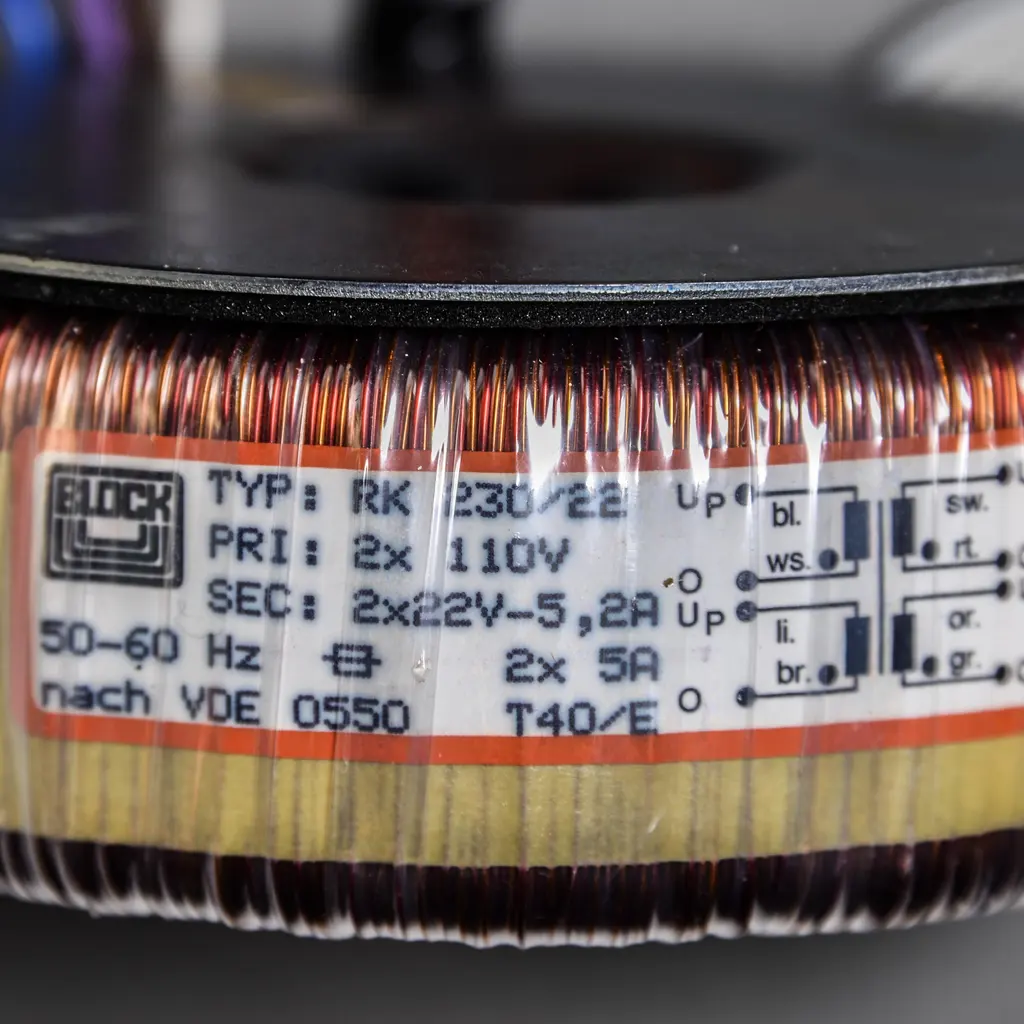
Close-up of copper windings and electrical ratings on a toroidal power transformer.

Industry overview

You wind copper, assemble electrical components, and test transformers or power supplies, with heavy handling and insulating liquids involved in some processes. A lifting accident can injure a worker, and a failed product can damage a customer's equipment.

The Southern Agency can review your manufacturing and testing work to help you choose insurance. We can compare property and breakdown protection for factory machinery with product liability for resulting customer damage, keeping performance disputes separate.

Risks worth discussing

Insulating oil leak and pollution

For liquid-filled units, identify the fluid, quantities and filling, storage, and release routes. A spill can require cleanup, but site conditions, transport, and a delivered-product leak have different insurance questions; reporting or ordinary waste duties are separate.

Transformer overheating or insulation failure

A defective unit can be alleged to cause fire or damage to other equipment in service. Replacing the transformer, correcting insulation, and paying a customer shutdown guarantee involve different losses.

Heavy-handling and crane injuries

Where cranes and hoists move large copper and steel cores and units, employees face crush and struck-by hazards. Damage to the assembly or lifting equipment involves property interests separate from employee benefits.

High-voltage testing hazards

Dielectric and load testing can expose employees to arc-flash and electric-shock injury. Describe the tests, voltages, worker roles, test assets, and outside labs and obtain qualified safety review.

Damage to heavy units in transit

Loading, shipment, unloading, and staging can damage finished units. Identify ownership and damage responsibility at each handoff, with the weight, value, and handling stages included in the insurance review.

Power-supply failure damaging equipment

A power supply alleged to overvoltage and physically damage a buyer’s electronics presents a different claim from a supply that simply fails its output specification or needs replacement.

Equipment breakdown stalling production

Winding machines, oil-processing systems, and test sets can become bottlenecks after an internal failure. A failed acceptance test or winding rework does not establish damage to the production machine.

Situations to think through

These hypothetical examples are not agency claim results. Whether a loss is covered depends on the facts, policy terms, and applicable exclusions.

  1. Hypothetical: Oil leak during filling

    Suppose insulating liquid escapes during filling and cleanup is required. Environmental protection may help with eligible remediation if the event is an insured pollution condition at included operations and sites, with notice and consent terms met. Required reporting, ordinary handling costs, permit remedies, and penalties need separate review.

  2. Hypothetical: Power supply damages customer equipment

    Suppose a buyer alleges a defective power supply overvoltaged and physically damaged its electronic system. Product liability may help defend and pay a covered resulting-damage claim if the product and duties fit. Replacing the supply itself, impaired-property allegations, customer guarantees, and any separate engineering services require their own terms.

  3. Hypothetical: Transformer damaged in transit

    Suppose a transformer is damaged in shipment to a utility. Included transit protection may help with eligible repair or replacement, subject to the ownership interest, cause, handling stage, valuation, and limit. Identify when responsibility passes and distinguish carrier liability, unloading, staging, and any later rigging or installation duties.

Before you talk to an agent

What to have ready

Tick items as you gather them. Nothing here is saved or sent.

Questions to raise

  • List oil-filled, dry-type, and electronic units and actual core, winding, filling, and electrical test processes.
  • Identify each insulating liquid, quantities and release paths; separate plant pollution from transport and delivered-product leakage.
  • Distinguish damage to customer electronics or other machinery from own-unit defects, rejected specifications, and uptime promises.
  • Map crane and transport handoffs, goods owners, and maximum unit values, including loading and off-site staging.
  • Estimate winding and test-system repair and restart time separately from product rework, calibration, acceptance testing, and buyer deadlines.

Contract terms to check

  • Allocate design, specification, testing, transport, ownership, installation, and commissioning responsibilities. Separate resulting injury or other-equipment damage from failed unit correction, acceptance tests, recall, customer outage guarantees, and financial-only claims.
  • Compare factory pollution conditions with transport and deployed-product leakage under the terms offered. Identify who controls notification, containment and remediation without assuming an environmental policy funds every report, permit obligation, or penalty.
  • Compare utility, integrator and distributor limits, indemnities, additional-insured requests, and lender interests with issued endorsements. Certificates do not amend cover. Disclose separate engineering or site services and review manufactured-product and professional exclusions; if claims-made terms apply, check prior acts and reporting.

What the agent conversation looks like

Start with the work you do and the questions your current policies leave unanswered. Carrier options depend on your location, risk, and underwriting. Explore our approach.

  1. ListenReview your operations, current coverage, and past claims.
  2. AssessIdentify potential hazards and discuss ways to reduce risk.
  3. BuildDiscuss policy and carrier options, premium costs, and audits.
  4. SupportReview changes and help you plan ahead as your needs develop.

Questions owners ask

Why do we need environmental coverage?

Identify the insulating liquid, quantities, sites, and release routes first. Any offered pollution protection must fit the condition and operations, including transport or delivered-product leaks if needed. Fluids do not all have the same fire properties, and a spill or reporting duty alone does not establish eligible cleanup, regulatory defense, or fines.

Does product liability cover a transformer that fails in service?

It may help with covered injury or other-property damage alleged to result from an insured unit. Establish what was damaged and review own-product, impaired-property, professional, pollution, and contract terms. Replacing the transformer, correcting output and paying uptime, warranty, or recall promises are separate questions.

How is heavy-handling injury risk addressed?

Workers compensation may provide qualifying medical and wage benefits under applicable state rules. Describe actual crane, hoist, core-handling, and lifting duties and employers. Damage to units, crane repairs, and site rigging liability are separate from the employee’s benefits.

Should we insure transformers in transit?

Trace who owns the unit and bears damage responsibility from loading through carrier custody, unloading, and staging. Compare direct goods protection with carrier legal liability, covered causes, handling stages, valuation, and limits. Installation and rigging must be included if needed; a shipment policy does not establish every site activity insured.

What protects production if a key machine fails?

An insured internal failure may qualify for winding, oil-processing, or test-system repair, with income and extra expense under purchased extensions. Check affected stock, waiting and restoration terms and restart time. Failed product tests, calibration, ordinary winding rework and a customer deadline alone do not establish insured machine damage or income payment.

Does dry-type versus oil-filled affect coverage?

Yes. For liquid-filled units, provide the insulating-liquid product names, supplier safety data, volumes, and handling. Dry-type and compact electronic units still need electrical testing, product, and property terms matched to the machinery and customer use. If you make several unit types, identify each line and the test equipment they share.

Talk through your transformer and power supply maker coverage

Bring your questions, current policies, and relevant contracts. An agent can review coverage terms, exclusions, and the information carriers ask for, then explain the options available to you.

How can we help you get started?

Choose the quote that fits, and we’ll take it from there.

Have a question? Contact us