

Moving-part and nip-point product liability
Belts, rollers, and pinch points on running conveyors can cause entanglement or crush injuries if guarding or controls are alleged defective.
Try a different word, or check the spelling.
Your commissioning work connects a conveyor to other equipment and the customer's control system. Site and product liability should reflect that integration, separately from a performance penalty or the cost to correct the system itself.
The Southern Agency can help you compare insurance terms for your shop fabrication and off-site equipment installation.
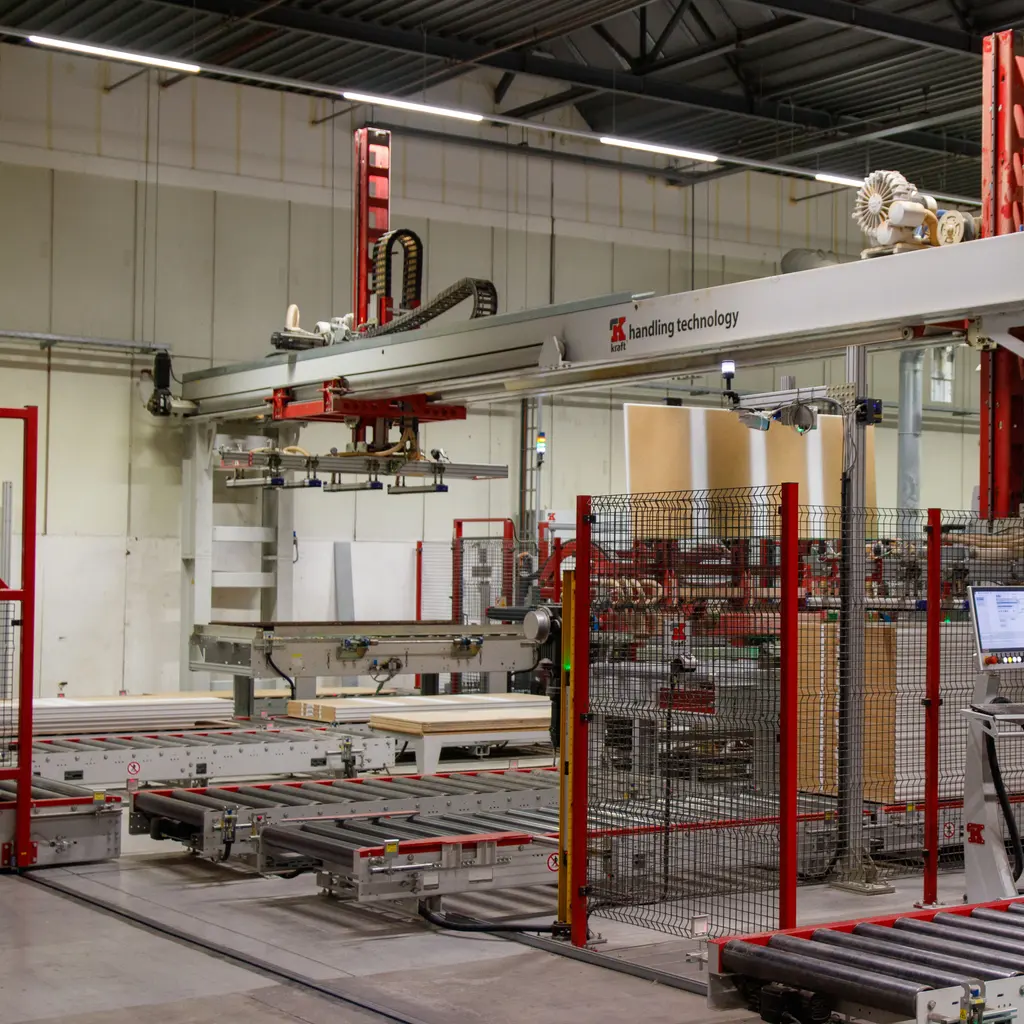
Your work designing and installing conveyors places heavy machinery around customer staff, where a control fault or guarding gap can lead to entanglement or crush injuries. You also manage fire risks from welding and electrical assembly in your shop.
The Southern Agency can review your fabrication and on-site installation processes to help you select appropriate insurance. We can discuss your off-premises liability during commissioning and how to protect tools and components in transit to a customer's site.
Belts, rollers, and pinch points on running conveyors can cause entanglement or crush injuries if guarding or controls are alleged defective.
On-site installation and commissioning can injure workers or damage customer property and create completed-operations claims after handoff.
Automated controls integrating with other equipment can malfunction, causing downtime, damage, or injury at the customer site.
Steel handling, hot work, and electrical assembly create fire, burn, and worker-injury exposure on the plant floor.
CNC machines and assembly equipment can fail, halting production on a backlog of system orders.
Integrators and end users commonly require insurance limits, additional insured status, and performance guarantees on installed systems.
Policies to ask about. Which ones fit depends on your operations, your contracts, and the carrier’s forms.
These hypothetical examples are not agency claim results. Whether a loss is covered depends on the facts, policy terms, and applicable exclusions.
A worker is caught in a conveyor nip point and alleges inadequate guarding. Product and completed-operations liability may respond to defense and claim costs, depending on the policy, endorsements, and exclusions. Check the guarding, design and completed duties included and the injury, own-product, own-work and contract terms. An installed system alone is not proof that every claim is insured.
Crew installing a system damages a customer's building. General liability may respond, depending on the policy and incident facts. Describe installation and testing and distinguish property being worked on or held in custody from other damaged property. Review exclusions separately from the cost of correcting faulty integration or redoing your work.
Conveyor sections are damaged en route to a jobsite. Inland marine may help with their value away from the premises, subject to the policy and exclusions. Identify the owner, route, loading, staging, and installation stage, then check the covered cause and valuation. Damaged or rejected sections alone are not proof of coverage.
Start with the work you do and the questions your current policies leave unanswered. Carrier options depend on your location, risk, and underwriting. Explore our approach.
Injuries often occur after a system is installed and running, so completed-operations liability matters alongside product coverage. It may help respond, subject to policy terms and underwriting.
Describe erection, controls integration, powered testing, commissioning, and handover. Review the site and completed duties included, property being worked on or held in custody, own-work, professional, and contract exclusions alongside direct installed-property terms. General liability and inland marine address different questions; neither policy name assures coverage for every integration loss.
Inland marine may help protect conveyor sections and tools in transit and at customer sites, where standard property coverage often does not respond, depending on the policy.
Yes. Documented guarding and controls engineering are central to defending injury claims and can influence terms and availability, depending on operations and loss history.
Bring integrator or end-user requests for limits, additional-insured status, indemnity, and performance. Compare the design, installation, and control duties included and issued endorsements. A request or certificate neither assures an available match nor guarantees throughput or payment for all the customer's lost production.
Workers' compensation commonly responds to fabrication and field-installation injuries, subject to policy terms and applicable state law.
Bring your questions, current policies, and relevant contracts. An agent can review coverage terms, exclusions, and the information carriers ask for, then explain the options available to you.