

Powered-machinery product liability
PTOs, augers, blades, and hydraulics on field equipment can cause severe entanglement or crush injuries, driving serious product claims.
Try a different word, or check the spelling.
Your implement leaves with guards, warnings and operator instructions that can matter in a later injury allegation. Product protection needs to fit the equipment and those duties, not be mistaken for a dealer warranty or recall fund.
The Southern Agency helps you manage product liability, production-facility property, and operational continuity for your agricultural equipment business.
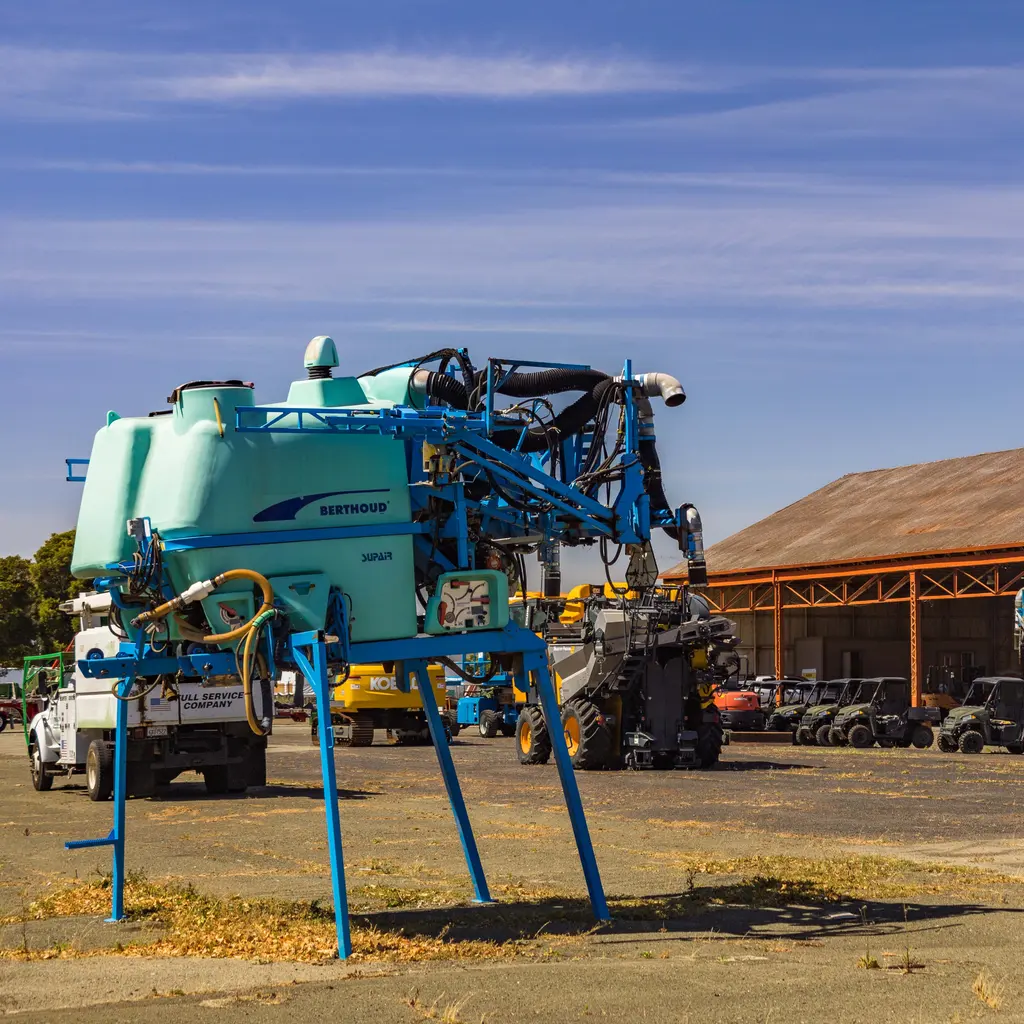
Your manufacturing facility fabricates heavy agricultural machinery and attachments, often involving welding and hydraulic system assembly. A single failed component or plant fire can disrupt the seasonal supply chain for your dealer network.
The Southern Agency can review your fabrication processes and supply chain commitments to help you select appropriate insurance. For example, we can discuss product liability for your equipment alongside property protection for your fabrication tools and raw steel inventory.
PTOs, augers, blades, and hydraulics on field equipment can cause severe entanglement or crush injuries, driving serious product claims.
Disputes over guarding, warning labels, and operator manuals are common in injury claims involving agricultural machinery.
Hot work, cutting, and metal finishing in the plant create fire and burn exposure across the fabrication floor.
Handling steel, operating presses and welders, and assembly work expose staff to crush, laceration, and strain injuries.
CNC machines, hydraulic test rigs, and assembly equipment can fail, halting production on a backlog of dealer orders.
Equipment dealers commonly require liability limits and indemnity, and a safety defect can trigger costly recall campaigns.
Policies to ask about. Which ones fit depends on your operations, your contracts, and the carrier’s forms.
These hypothetical examples are not agency claim results. Whether a loss is covered depends on the facts, policy terms, and applicable exclusions.
An operator is injured by a power take-off and alleges inadequate guarding. Product liability may help with defense and claim costs, depending on policy terms, endorsements, and exclusions. Review who is insured for the guarding, design, and manufacturing duties alleged. The maker's retrofit or recall costs and promises to indemnify another party need separate review.
Hot work ignites materials and damages the fabrication area and inventory. Property and business income coverage may help with repairs and lost output if the fire and the damaged property or stock are covered. Income recovery depends on the coverage and restoration terms purchased. Penalties for missed orders are a separate contractual cost, not a payment promised by the fire coverage.
A CNC machine fails and stalls a dealer order backlog. Equipment breakdown may help with repair and lost production if a covered internal failure occurred. Review the repair and any purchased income or extra-expense terms. Backlogged orders, the customer's contractual loss and worn tooling need separate assessment; they are not all consequences the policy will necessarily pay.
Start with the work you do and the questions your current policies leave unanswered. Carrier options depend on your location, risk, and underwriting. Explore our approach.
PTOs, augers, and hydraulics can cause severe injuries in the field, and guarding and warning disputes are common. Product liability may help respond, subject to policy terms and underwriting.
Discuss the potential severity and accumulation of product-injury claims and the limits dealers request. Compare those with the underlying product and design coverage and the excess policy's limits, defense provisions, and exclusions. There is no single limit for all equipment makers. An ordinary umbrella does not assure coverage for every farm use or add separate professional design, recall, or property benefits.
Yes. Hot work raises fire exposure that underwriters weigh closely. Strong fire controls can influence terms, with coverage depending on operations and loss history.
Equipment breakdown coverage may help with repair and lost production when CNC machines or test rigs fail, depending on the specific policy, endorsements, and exclusions.
Bring the dealer or vendor agreement, including requested limits, indemnities, and additional-insured requirements. Describe demonstrations, installation, and repairs so those duties can be compared with the issued endorsements and policy scope. A request or certificate is not a promise that matching insurance is available. Indemnities, warranties, and retrofit costs still need separate review.
Workers' compensation commonly responds to heavy-steel, hot-work, and machinery injuries, subject to policy terms and applicable state law.
Bring your questions, current policies, and relevant contracts. An agent can review coverage terms, exclusions, and the information carriers ask for, then explain the options available to you.